How to Build an Emergency Fund While Paying Off $5,000 in Debt
I vividly remember the moment I realized I was one unexpected expense away from financial chaos—my car suddenly died, and I had nothing saved. It hit me hard. How could I be so unprepared, drowning in debt yet lacking a safety net? That lightbulb moment prompted me to ask: How on earth do I build an emergency fund while still paying off that stubborn $5,000 debt? But here’s the truth: you can do both. Yes, it’s challenging, but with a clear plan, it’s entirely possible—and I’m living proof. Today, I’ll share how I managed to create a safety cushion without extending my debt cycle further. Ready to take control of your finances? Let’s get started.
Why juggling debt repayment and emergency savings feels like walking a tightrope
When I first dove into debt repayment, I thought the focus was straightforward: chip away at that $5,000 as fast as possible. But life isn’t that simple. Unexpected costs kept cropping up—medical bills, car repairs, even a broken appliance—and each time, I’d dip into my limited funds, feeling like I was moving in circles. The challenge wasn’t just paying down debt; it was building a financial cushion that could withstand surprises. Surprisingly, a study from the FINRA Investor Education Foundation revealed that nearly 60% of Americans couldn’t cover a $400 emergency without borrowing or selling something. That statistic hit close to home, emphasizing how many of us are unprepared, even with manageable debts. I learned early on that neglecting an emergency fund meant I was risking more setbacks than I realized. Now, I want to show you how I turned this around.
One common mistake I made early on was neglecting small savings opportunities because I thought they were insignificant compared to my debt. That was a mistake. Even small, consistent contributions made a huge difference over time. By prioritizing both goals—paying off debt and building savings—I gradually gained confidence and control. If you’ve ever felt overwhelmed trying to balance debt payments with saving, you’re not alone. But trust me, with the right strategies, you can do both simultaneously. Want to learn how? Keep reading, because the next steps will guide you through practical tips to start building that vital emergency fund today.
Start Small, Stay Consistent
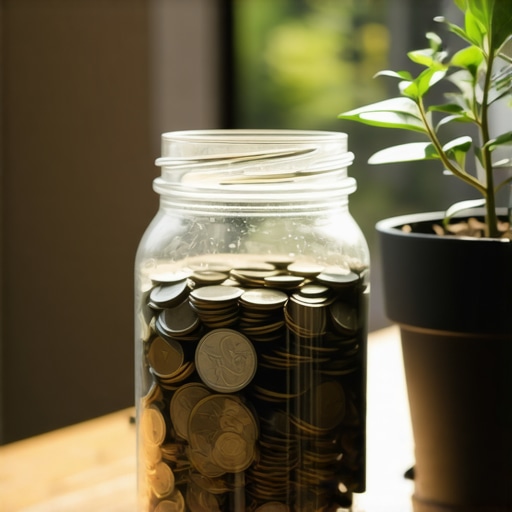
My first practical step was to set aside just $25 from each paycheck into a separate savings account. I treated it like a recurring bill—non-negotiable. By automating this transfer, I avoided the temptation to spend what I aimed to save. Over months, that small contribution added up, creating a cushion that softened the blow of unexpected expenses. Remember, it’s not about how much you save initially but establishing a habit that gradually increases your emergency fund.
Create a Budget That Prioritizes Both Goals
Next, I drew a simple list of fixed expenses—rent, utilities, minimum debt payments—and then allocated remaining funds to savings. To maximize savings, I cut costs on non-essentials, like dining out and subscriptions. This isn’t about depriving yourself but about making conscious choices. Think of it as carving out a slice of your income to act as a safety net, even if it’s a tiny slice at first.
Leverage the Debt Snowball Technique
I focused on tackling smaller debts first—typically credit card balances—using the debt snowball method. This approach is like pushing a snowball downhill: as each debt disappears, your motivation and available funds increase, enabling you to pay bigger debts faster. For example, I paid off a $300 medical bill within two months, which freed up cash for both debt repayment and savings. This method accelerates your progress and keeps you motivated.
Use Windfalls Wisely
Whenever I received unexpected income—tax refunds, bonuses—I directed part of it toward my emergency fund. Even a small percentage makes a difference. I remember throwing my $200 holiday bonus directly into savings; it felt like buying myself some peace of mind. Over time, these contributions significantly boosted my safety net.
Optimize Income and Cut Costs
Seeking ways to increase income—like freelance work—and reducing expenses abruptly made a big impact. I reduced my cable bill and scaled back shopping sprees. Think of your income and expenses as pressure points; adjusting both creates more space to save. For example, I negotiated lower rates on my insurance, saving about $20 a month, which I then diverted into my emergency fund.
Build Credit Wisely to Support Financial Flexibility
Good credit opens doors to lower interest rates on debt and better loan terms, which can free up cash. I utilized secured credit cards strategically, ensuring I kept balances low and paid on time, boosting my score. This process resembles building a financial safety net—credit acts as a backup when emergencies happen. To streamline this, I read about building credit from scratch efficiently.
Regularly Review and Adjust Your Plan
I scheduled monthly check-ins to assess my progress. If I was falling short, I identified expenses to trim or ways to boost income. Flexibility is key; your financial picture changes, so adapt your plan accordingly. This ongoing process kept me on track and motivated.
Seek Expert Guidance When Needed
For complicated credit issues or tailored debt strategies, professional advice is invaluable. I reached out to a credit counselor who helped me fine-tune my approach and learn about credit counseling insights. Remember, leveraging expert knowledge can accelerate your journey toward financial stability.
Are You Falling for These Credit Building Fallacies?
While many believe that simply paying the minimum on debts or closing old credit accounts will improve their credit scores, these actions often have the opposite effect. In reality, consistent payments, maintaining low utilization, and keeping old accounts open can significantly boost your credit health. To dive deeper into effective strategies, explore credit building hacks that align with proven methodologies rather than myths.
Beware of the Hidden Traps in Credit Counseling
Not all credit counseling services are equal. Some notorious agencies may promise quick fixes or credit score boosts but charge exorbitant fees or fail to deliver results. The critical nuance here is to seek transparent, reputable guidance. For an in-depth look at trustworthy options, check out credit counseling insights that help you avoid common pitfalls.
Deep Dive: What Do Experts Say About Debt Management Strategies?
Many think consolidating debts or taking out new loans is always beneficial, but expert advice suggests caution. For instance, debt consolidation can sometimes extend your repayment period or lead to higher interest payments if not executed wisely. Instead, tailored approaches like smart debt management practices prioritize your specific financial situation. Remember, the goal is to work toward debt freedom without falling into common missteps.
Are You Playing It Too Safe or Too Aggressive?
Striking the right balance between debt repayment and credit utilization is crucial. Overpaying or excessively reducing available credit can signal risk to lenders, potentially lowering your credit score. Conversely, maintaining high balances risks overextension. Understanding these nuances can empower you to optimize your credit profile effectively. For a comprehensive approach, consider consulting debt management tips designed for nuanced, sustainable progress.
Most importantly, avoid the trap of thinking there’s a one-size-fits-all answer. Your credit journey is unique, and understanding these subtleties helps you steer clear of costly myths. Equip yourself with knowledge and make informed decisions. Have you ever fallen into this trap? Let me know in the comments. And if you’re ready to optimize your debt and credit strategies, reach out through our contact page.
Keeping the Momentum Alive: Tools That Make a Difference
Maintaining your financial progress requires the right set of tools tailored to your specific needs. Personally, I rely heavily on budgeting software like You Need a Budget (YNAB) because of its proactive approach to assigning every dollar a job, ensuring I stay disciplined in both debt repayment and savings goals. YNAB’s real-time tracking helps me identify spending leaks immediately, so I can adjust before they derail my progress. Additionally, I use Experian’s Boost to monitor my credit score and understand which activities are impacting it daily, empowering me to make informed decisions about credit utilization and paying down specific accounts.
For managing debts effectively, I recommend debt management techniques that emphasize clarity and consistency. Online tools like Debt Payoff Planner help plot your repayment timelines and simulate how extra payments can accelerate your journey, motivating you to stay on course. Using these tools consistently has helped me visualize my progress, making the abstract goal of debt freedom tangible and attainable.
Protecting and Growing Your Credit Step-by-Step
Building and maintaining good credit over the long term isn’t just about paying bills on time; it involves strategic activity. I personally focus on credit-building strategies that include maintaining low utilization ratios, keeping old accounts open for history, and periodically reviewing my reports for inaccuracies—all enabled by free annual reports from AnnualCreditReport.com. To strengthen my credit profile, I occasionally use Secured Credit Cards with small limits and make frequent, small purchases, paying in full each statement period. This simulates responsible usage and can boost your score over time, especially when combined with on-time payments.
What’s Next in Debt and Credit Tools?
Looking ahead, I believe AI-driven financial planning platforms are poised to revolutionize long-term management. These systems will tailor advice based on your spending habits, credit score, and current debts, offering proactive recommendations to optimize interest rates and repayment strategies. As these tools evolve, integrating them into your routine will become increasingly essential.
To maximize these benefits now, I suggest trying methods like smart debt management practices that leverage automation and personalized insights. For example, setting up automatic transfers to your savings and debt accounts not only ensures consistency but also helps you avoid the temptation to skip payments.
How do I keep my debt and credit plan working over time?
Consistently reviewing your progress and adjusting your strategies is crucial. Regular check-ins—monthly or quarterly—allow you to catch issues early, like rising balances or missed payments. Pair this with tools that provide alerts or personalized suggestions. For instance, I set up notifications for when my credit score drops or when my utilization exceeds 30%, the threshold recommended for optimal scores. This proactive approach prevents small issues from becoming major setbacks.
One effective way to stay on track is to automate as much as possible: scheduled payments, automatic transfers to savings, and credit monitoring alerts. Incorporating these into your routine ensures your plan remains dynamic yet disciplined, adjusting seamlessly as your circumstances change. Remember, maintaining your financial health is an ongoing process, but with the right tools and mindset, it becomes second nature.
Start by integrating one or two of these tools today—perhaps YNAB or Experian Boost—and observe how they simplify managing your debt and credit. Often, small adjustments lead to substantial long-term gains. For even more advanced strategies, explore effective credit repair techniques to accelerate your progress if needed.

What I Wish I Knew Before Diving Into Debt and Credit Building
One of the hardest lessons I learned was that neglecting small savings opportunities can lead to big setbacks. Starting small and remaining consistent made all the difference in my journey toward financial stability. I also discovered that trying to pay down debts rapidly without a plan often leads to burnout—finding a balance is key. Lastly, I realized that credit building isn’t just about paying bills on time; it’s about strategic activity, like maintaining low utilization and keeping old accounts open, which can significantly boost your score over time.
My Go-To Tools for Staying on Track
Over the years, I’ve relied on several resources that transformed my financial approach. Credit counseling insights provided me with expert strategies to handle debt more effectively. Budgeting software like You Need a Budget (YNAB) helps me allocate every dollar and stay disciplined. Additionally, Debt Payoff Planner offers visual timelines for debt elimination, motivating me to stay committed. These tools are personal favorites because they simplify complex processes into manageable steps.
Embrace Your Financial Journey and Keep Moving Forward
Remember, building an emergency fund while paying off debt might seem daunting, but it’s entirely achievable with patience and persistence. Your financial future is within your grasp, and every small step counts. Now is the time to put these lessons into action—start integrating a new saving habit, utilize helpful tools, and seek guidance when needed. Your path to financial freedom begins today. Are you ready to take that first step? Let me know below how you plan to start or improve your debt and credit journey.
**