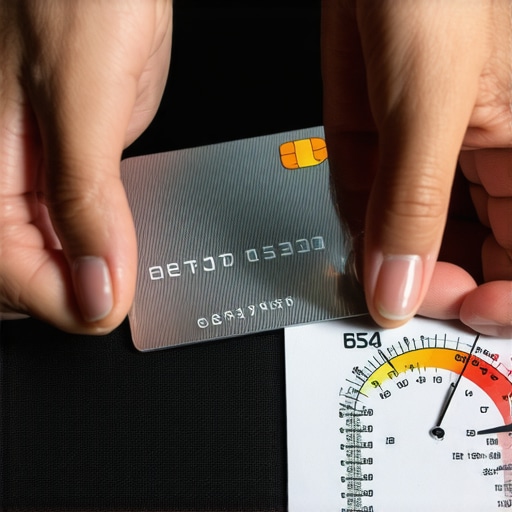
The ‘Secured-to-Unsecured’ Swap for Better Credit Limits
I remember the frustrating day I hit a credit limit that felt like a wall. No matter how much I tried to improve my score, my credit limit seemed stubbornly stuck, holding back my financial dreams. That moment was a real lightbulb moment for me—I realized I needed a smarter strategy, not just more payments or hope. It was then I discovered the power of a secured-to-unsecured swap, a technique that transformed my credit profile and boosted my limits significantly.
Why A Secured-to-Unsecured Swap Can Change Your Credit Game
Imagine this: you have a secured credit card, and while it’s a good sign of responsible borrowing, your credit limit remains modest. That limited limit can cap your borrowing power, affect your credit utilization ratio, and ultimately hinder your score. But here’s the secret—by converting a secured card to an unsecured one through a secured-to-unsecured swap, you could unlock higher limits and better credit opportunities. Early on, I made the mistake of believing that making multiple small payments was enough. But a small mistake like ignoring the potential of a secured-to-unsecured swap can keep your credit growth stagnating. According to Experian, improving your credit limit can boost your score by reducing your utilization rate, which accounts for about 30% of your score. So, understanding and leveraging this swap isn’t just a trick—it’s a strategy backed by real credit science.
Is Secured-to-Unsecured Swap Actually Worth the Hype?
Like many, I was skeptical at first. It seemed too simple, too good to be true. I feared it might be a scam or that my lender wouldn’t approve the change. I learned the hard way that rushing this process without proper guidance or understanding can lead to rejection or unintended credit issues. That’s why I emphasize the importance of approaching this swap with knowledge and a clear plan. Curious if this strategy is right for you? Let’s explore how to do it effectively without risking your credit score or your patience. Now that I’ve shared my personal experience and the potential of this approach, let’s dive into the practical steps to unlock better credit limits through a secured-to-unsecured swap.
Identify Eligible Accounts
Start by reviewing your current secured credit cards; not all lenders allow a swap. Contact your issuer directly and ask if converting your secured card to an unsecured one is an option. Think of this as upgrading a training wheels bike to a full bike—just a small adjustment that can lead to greater freedom.
Gather Required Documentation
Prepare your identification, proof of income, and your recent credit activity statements. Like assembling tools before a repair, having everything ready prevents delays and increases your chances of approval.
Request the Swap Professionally
Reach out to your lender via phone or through their online portal. Clearly state your intent: “I wish to convert my secured card to an unsecured credit card.” Remember, approaching with confidence can be akin to asking for a favor—politeness combined with clarity works best.
Understand the Impact on Your Credit Report
Once approved, your account status will change from secured to unsecured. Monitor your credit report after the conversion to ensure it reflects correctly. Think of this as changing the label on a package—accuracy here matters. For insights on keeping your credit current, visit Credit Counseling Insights.
Leverage the Higher Limit
After the swap, aim to increase your credit limit further by negotiating with your issuer or by responsibly increasing your spending power. Remember, higher limits can lower your utilization ratio, which is a key factor in credit scores. Think of it as expanding your financial bandwidth—more room to operate without strain.
Maintain Good Credit Habits Post-Swap
Continue making on-time payments and keep your balances low relative to your new limit. Consider using strategies from Building Credit from Scratch to maximize your credit health. Consistency here ensures the benefits of your upgrade are fully realized and sustained.
 Many people believe that simply paying off debts or making timely payments is enough to boost credit scores, but in reality, there are subtle complexities that can make or break your credit progress. One widespread misconception is that closing old credit accounts always improves your credit score; however, this action can sometimes reduce your available credit and increase your utilization ratio, negatively impacting your score. Another myth is that credit counseling agencies can fix your credit overnight. While they offer valuable guidance, relying solely on them without understanding the underlying issues can lead to disappointment. Expert insights reveal that a strategic combination of debt management plans and informed credit repair tactics produces sustainable results. A common mistake is not addressing errors on your credit report promptly, which can linger and damage your score for years. Identifying and disputing inaccuracies through methods discussed in our resources can accelerate improvement.
Have you ever fallen into this trap? Let me know in the comments.
Is Paying Off Debts Always the Best Strategy for Credit Improvement?
Not necessarily. Paying off debt is essential, but how you approach it matters. For instance, aggressive debt payments without considering the impact on your credit utilization and history might result in a temporary dip in your score. Advanced strategies involve prioritizing high-impact areas such as reducing utilization, maintaining old accounts, and timing inquiries wisely. Studies suggest that a balanced approach, combining debt reduction with credit optimization tactics, leads to better long-term outcomes. Moreover, understanding how to utilize tools like secured-to-unsecured swaps or strategic credit inquiries can give you an edge. Ignoring these nuances can leave you stuck in a cycle of ineffective efforts and frustration.
In the realm of credit repair, beware of scams promising quick fixes. Instead, focus on proven strategies and stay informed with authoritative guidance to navigate the often confusing credit landscape. For in-depth techniques, visit [the ultimate credit repair blueprint for 2025](https://counselcredits.com/the-ultimate-credit-repair-blueprint-for-2025) to deepen your understanding. Keep refining your approach, and remember—knowledge is your most powerful tool in building and protecting credit. Ensure you’re not falling for common traps by staying educated and proactive.Maintaining strong credit is an ongoing process that requires the right tools and consistent effort. One of my favorite methods is leveraging specialized credit monitoring software like Credit Karma or Experian’s CreditWorks. These platforms provide real-time updates on your credit score and detailed reports, allowing you to spot discrepancies or fraudulent activity quickly. I personally rely on Experian’s tool because of its comprehensive alerts and educational resources, which keep me informed about factors influencing my score. Additionally, incorporating budgeting apps like YNAB (You Need A Budget) helps me allocate funds efficiently, ensuring I keep credit utilization low—a crucial aspect of credit health. For long-term results, I recommend setting up automated payments through your bank or lender’s app. This reduces missed payments, which can severely damage your score. As the credit landscape evolves, tools incorporating AI, like AI-driven credit counseling platforms, will likely become more prevalent, offering personalized advice based on your financial behavior. Predicting future trends, I see a growing emphasis on these intelligent systems to proactively optimize credit profiles and identify potential issues before they impact scores. So, how do I maintain my credit health over years of financial ups and downs? One proven approach is routinely reviewing your credit reports—at least once every four months—and disputing any inaccuracies promptly using resources from Credit Counseling Insights. Regular monitoring not only safeguards against identity theft but also keeps your credit profile aligned with your financial goals. A practical tip is to schedule quarterly reviews and set reminders; over time, this habit prevents small issues from snowballing into significant setbacks. Remember, maintaining stellar credit isn’t just about fixing problems; it’s about proactive management and using the right tools to stay on top of your financial health. As you incorporate these strategies, you’ll build resilience against potential setbacks and stay aligned with your ultimate credit goals.
The Lasting Lessons I Didn’t See Coming About Building Credit
One of the most eye-opening lessons I learned was that every action on your credit report has a ripple effect. Small changes, like optimizing your utilization or understanding how account age influences your score, can be game-changers. I realized that knowing the ins and outs of strategies like secured-to-unsecured swaps can prevent costly mistakes and unlock real growth.
Another insight was that misconceptions about closing old accounts or relying solely on credit repair scams can hinder progress. Instead, consistent, informed actions—like monitoring your report with trusted tools—are what truly move the needle. The biggest surprise was how mastering these subtle strategies gave me confidence and control over my financial future.
The Playbook That Reshaped My Approach to Credit Enhancement
- Tools that Offer Clarity: I rely heavily on platforms like Credit Counseling Insights. Their reports and alerts help me spot issues early and guide me on strategic moves.
- Educational Resources: Books like Building Credit from Scratch changed how I see credit building—not just as a number but as a tool for financial freedom.
- Expert Blogs and Blueprints: The Ultimate Credit Repair Blueprint for 2025 provides strategies that I integrated into my game plan, ensuring I stay ahead of evolving credit rules.
- Practical Apps for Daily Management: Budgeting apps like YNAB help me keep utilization low and payments timely, reinforcing positive credit habits.
Your Next Step to Credit Confidence
Building or repairing credit is a journey of continuous learning and deliberate actions. Incorporate these insider insights and tools into your routine, and you’ll find yourself making smarter financial decisions with less stress. Remember, small, strategic moves today set the foundation for a brighter financial tomorrow. Keep informed, stay proactive, and enjoy the progress you make along the way.
What’s the one credit strategy you’ve hesitated to try but want to explore next? Share your thoughts below—I’d love to hear about your journey!
.