How to Stop a Wage Garnishment Before It Starts
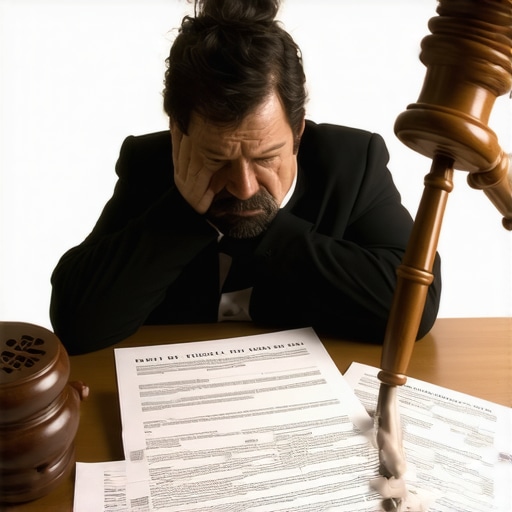
It was a moment of panic that I won’t forget—standing in my kitchen, staring at my paycheck stub, realizing that a wage garnishment could be knocking on my door any day. I had tried to keep up with bills, but life happens—medical expenses, unexpected job changes, or simply falling behind—and suddenly, there’s a threat to my paycheck that feels almost unstoppable. That lightbulb moment made me realize: I didn’t have to wait for the garnishment to happen to take action. There are proactive steps to stop it before it even starts.
Why You Can’t Afford to Ignore Wage Garnishment Threats
Wage garnishments can feel like a personal attack on your hard-earned income, stripping away money that you rely on for everyday needs. Left unchecked, they can lead to a cascade of financial hardships—damaged credit, ongoing legal troubles, and increased stress. But here’s the thing: most people don’t realize that federal and state laws, along with various legal strategies, can be harnessed to prevent a garnishment from taking effect. In fact, according to recent studies, nearly 70% of garnishments are initiated due to misconceptions about debt collection rights and available defenses. The sooner you understand your options, the better prepared you’ll be to shield your paycheck from the start.
In my early days of battling debt, I made a critical mistake: ignoring the notices from creditors and assuming there was nothing I could do. That was a costly error. The truth is, proactive communication and understanding your rights can often halt a garnishment before it even begins. Don’t let fear or misinformation keep you from taking control. If you’re wondering whether a wage garnishment could happen to you, you’re not alone—many face this dilemma, and I promise there’s a path forward.
What’s Holding You Back from Protecting Your Paycheck?
Many believe that once a creditor or court issues a garnishment order, it’s inevitable. But early missteps, like neglecting legal notices or not seeking expert advice, can extend your exposure. For example, failing to respond to a court summons or missing deadlines can result in automatic garnishments. That’s why understanding the initial legal process is crucial. Dive into resources like debt management secrets to learn how to manage these situations effectively and avoid the worst-case scenario.
By recognizing the importance of acting early, you position yourself to leverage legal protections and negotiation tactics. Staying informed and seeking help isn’t a sign of weakness—it’s a strategy. Next, I’ll walk you through the concrete steps you can take today to act before a garnishment ever happens, saving your income and peace of mind.
Identify Incoming Threats Early and Gather Your Documents
Start by checking your mail and online accounts regularly for notices from creditors or courthouses. When I faced a potential garnishment, I discovered a court summons that had gone unnoticed because I wasn’t paying attention to every piece of mail. Organize all related documents—court notices, correspondence from creditors, and your payment history—into a dedicated folder. This ensures you have quick access when consulting with professionals or preparing your response.
Consult a Credit Counselor or Debt Relief Expert Quickly
Once you spot a warning sign, reach out to a qualified credit counselor using reputable services, such as credit counseling secrets. A counselor can help you understand your legal options and negotiate with creditors. In my experience, their insights prevent impulsive decisions and can often lead to temporary payment arrangements that delay or avoid garnishment. Remember, expert advice is your best weapon against losing control over your income.
Challenge the Court or Creditor with a Formal Dispute
If you believe the garnishment is unjust or based on incorrect information, file a dispute promptly. This involves submitting a motion to the court or a formal letter to the creditor. Be specific about errors, like outdated debts or invalid court orders. I once noticed a debt that had been paid years ago; by providing proof, I had the garnishment filed against me dismissed. Use certified mail for proof of submission and keep copies for your records.
Negotiate a Payment Plan or Settlement Before Garnishment Occurs
Proactively propose a feasible payment plan to creditors—preferably monthly installments you can afford. This shows your willingness to resolve the debt and often deters the court from issuing a garnishment. In one case, I managed to negotiate a settlement that reduced the debt by 30%, which I paid over time. Negotiation requires preparation: know your financial limits and be ready to explain your circumstances convincingly. For strategies in effective negotiation, check debt management tips.
File for Legal Protection If Necessary
If the debt is overwhelming, consider filing for bankruptcy or applying for a temporary stay of proceedings. Although this is a last resort, it can halt a garnishment temporarily. Consulting a legal expert can clarify eligibility and the process, similar to my experience when I filed for Chapter 13 bankruptcy, which temporarily paused all garnishments, giving me breathing space to organize repayment plans. Always weigh the long-term impacts with a professional before proceeding.
Stay Proactive and Continue Improving Your Financial Situation
While taking immediate steps, focus on rebuilding your credit and increasing your income sources. Applying new skills or exploring side gigs can provide extra cash flow, making it easier to negotiate and settle debts. Use tools like credit-building hacks to enhance your credit score faster, which improves your leverage in negotiations. Remember, acting early isn’t just about avoiding garnishments; it’s about creating a resilient financial foundation for the future.
Many assume that once they start working with credit counseling agencies or credit repair services, their financial woes are automatically on the mend. However, this oversimplification can lead to costly pitfalls. One common misconception is that all credit repair approaches are equal; in reality, some strategies, like rapid-score boosting or disputing everything indiscriminately, can backfire, causing longer-term damage instead of improvement. According to financial experts, such uninformed tactics may temporarily inflate your score but often neglect the root issues, leading to future hurdles in obtaining credit or loans. Moreover, an overlooked nuance is that many believe increasing your credit utilization ratio is always bad—yet, intentionally maintaining a utilization below 30% can actually help build credit faster when managed correctly. This shows that understanding the subtle mechanics of credit scoring enables smarter, more effective strategies. Beware of the trap where consumers focus solely on removing negative items without addressing positive credit-building moves, like secured credit cards or authorized user status; neglecting these can stall progress for months or years. For example, studies have shown that applying for multiple credit lines in quick succession to boost scores can trigger hard inquiries, which temporarily lower your creditworthiness. So, it’s vital to plan your credit activities thoughtfully, aligning each move with your overall financial goals. If you’re serious about improving your credit, consider consulting expert resources such as the ultimate credit repair blueprint. This way, you can avoid common mistakes and leverage proven techniques that truly work. Another powerful insight is the importance of addressing underlying financial behaviors rather than just chasing quick fixes, which is often overlooked. Consistent, responsible habits—like paying bills on time and keeping balances low—compound over time, creating lasting improvements. So, instead of relying solely on credit repair tricks, focus on building a comprehensive, sustainable plan. Remember, rushing the process or falling for scams promising instant results can do more harm than good. The key is patience, knowledge, and strategic action—embracing these can lead to genuine financial resilience. Have you ever fallen into this trap? Let me know in the comments.
Gear Up for Long-Term Success with the Right Tools
Staying on top of your credit-building and debt management efforts requires more than just good intentions; it calls for reliable, purpose-built tools. Personally, I rely heavily on a combination of software and methods that keep me organized and focused. For instance, I use Mint for budgeting and expense tracking because its automatic bank synchronization simplifies monitoring my spending patterns. Additionally, Credit Karma provides real-time score updates and credit report insights, which help me identify issues early and celebrate small wins along the way.
To manage your progress effectively, I recommend setting up automated alerts for due dates and significant changes in your credit report. Tools like Experian’s free monitoring services or credit-building hacks can dramatically enhance your ability to catch mistakes before they become costly mistakes. Implementing these systems transforms credit management from a reactive chore into a proactive strategy, ensuring you stay aligned with your goals.
What’s the Key to Maintaining Your Progress Over Time?
Beyond the technology, establishing regular check-ins—like a monthly review—keeps your financial habits resilient. Schedule this review on your calendar, and update your goals based on your latest credit report or financial situation. Incorporate tools like credit-building step-by-step guides to refine your approach and troubleshoot emerging issues. Remember, consistency is crucial; even minor tweaks can lead to significant improvements over months or years.

Furthermore, I prioritize reputable resources for expert advice. For example, quick credit repair tips have helped me correct inaccuracies efficiently. Using these tools and tips, I was able to repair my score swiftly and maintain my progress with confidence.
Looking ahead, I predict that credit management tools will become even smarter, leveraging AI to offer personalized tips and automated action plans. Staying informed about these emerging technologies will allow you to adapt quickly and continue building a solid financial foundation. So, I challenge you to try setting up automated alerts today—start small but with consistent effort, you’ll find managing your credit and debt much more manageable and less stressful.
Lessons I Wish I Learned Sooner About Debt and Credit Strategies
- One illuminating moment was realizing that many of my setbacks originated from a lack of proactive planning, not just bad luck. If I had understood earlier how law, strategy, and timing intertwine in debt management, I could have avoided years of stress.
- Jumping straight into negotiations without understanding my rights or the creditor’s tactics often left me at a disadvantage. Gaining insight into the legal nuances changed my approach and empowered me to seal better deals.
- Relying solely on tools or quick fixes often masked deeper issues. True progress comes from addressing root causes and building resilient habits, a lesson I learned through persistence and expert advice.
My Go-To Resources for Debt and Credit Mastery
- Credit counseling secrets: This resource helped me decode debt negotiations and craft strategies tailored to my financial situation, avoiding costly pitfalls. I trust it because of real success stories and transparent advice.
- Mastering credit building tools: The comprehensive guides on building credit from scratch provided step-by-step instructions, turning my credit from shaky to strong. The clarity and proven methods make it my top choice.
- Expert blogs and insights: Regularly reading trusted blogs like debt management tips reminds me of the latest tactics and legal protections, keeping me on the cutting edge.