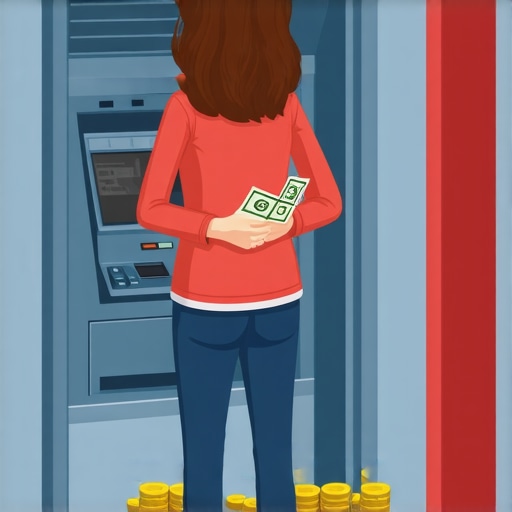
The Cash-Envelope System for Digital Spenders
It hit me one evening while staring at my dwindling bank account—despite earning well, I was constantly overspending, drowning in digital transactions that felt out of control. I had tried budgeting apps, set spending limits, but somehow, the cycle never broke. The real lightbulb moment? Realizing I needed a tangible method to physically see my spending, even in a digital world. That’s when I rediscovered the classic Cash-Envelope System, adapted for us digital spenders.
Why Traditional Envelopes Won’t Cut It for Digital Wallets
I used to think that the envelope method was outdated, a relic of cash-based budgets. But the core idea—allocating a fixed amount of money for specific expenses—remains powerful. The problem? Carrying around physical envelopes is impractical, especially when most of our spending happens online. So, I set out to modernize the concept, embracing digital tools that emulate the envelope system. This approach offers transparency and discipline, helping me curb impulsive purchases and stick to a budget with real accountability.
Is the Cash-Envelope System Really Effective for Digital Spenders?
Early on, I made the mistake of thinking I could track my spending solely with online banking alerts. Spoiler: I failed miserably. The disconnect between virtual transactions and tangible spending control was glaring. According to financial experts, one common mistake is relying too heavily on digital statements without setting clear boundaries. Implementing a digital envelope system bridges that gap, giving your budget a physical feel while leveraging the convenience of technology. Curious if this system could work for you? Let’s dive into how you can adapt this timeless technique in today’s digital landscape and start taking control of your finances effectively.
Start with a Clear Credit Building Plan
My first real move was to draft a detailed plan focused on boosting my credit score. I took advantage of proven strategies like obtaining a secured credit card and becoming an authorized user on a family member’s account, which effectively boosted my utilization ratio. I also opened a small credit-builder loan, ensuring consistent payments that report positively to the credit bureaus. For detailed tactics that work fast, I exploredhttps://counselcredits.com/credit-building-hacks-fast-track-your-credit-score and created a schedule to check my progress monthly.
Dispute Inaccuracies and Old Debts
Next, I pulled my credit report from all three bureaus and looked for errors or outdated information, like closed accounts or incorrectly listed debts. Using a manual dispute process, I sent targeted letters to each bureau, challenging inaccuracies. This process was messy and time-consuming, but it paid off when a few obsolete accounts were removed, giving my score a nice bump. For more on effective dispute techniques, I visitedhttps://counselcredits.com/effective-credit-repair-techniques-for-a-fresh-financial-start.
Develop a Debt Reduction Method
I adopted the avalanche method, paying extra toward high-interest debts first while maintaining minimum payments on others. As I tackled each account, I tracked my payments meticulously, ensuring I stayed within my budget. This approach felt like fighting a slow-moving battle, but it was effective. For detailed guidance on managing debt strategically, I turned tohttps://counselcredits.com/mastering-credit-building-proven-strategies-for-a-strong-financial-future and adjusted my tactics accordingly.
Automate Payments and Monitor Regularly
Automation eliminated late payments, which are detrimental to credit health. I set up automatic transfers for minimum payments and scheduled alerts for due dates. Monthly monitoring of my credit report allowed me to spot any suspicious activity or unexpected drops in score early. I used free tools and learned to interpret changes, which empowered me. For continuous credit score improvement tips, I found insightful articles athttps://counselcredits.com/credit-counseling-insights-unlock-your-path-to-better-credit.
Seek Professional Advice When Needed
There were moments when I felt overwhelmed, especially with stubborn accounts or complex disputes. Consulting a reputable credit counselor provided personalized strategies and clarity. Their expertise helped me avoid common pitfalls like falling for false credit repair promises. If you’re considering professional help, check outhttps://counselcredits.com/building-credit-from-scratch-a-step-by-step-guide or reach out viahttps://counselcredits.com/contact-us for tailored advice.
Maintain and Protect Your Progress
Finally, I adopted good credit habits: keeping utilization low, avoiding unnecessary inquiries, and maintaining diverse credit types. Regularly reviewing my credit report helped me prevent identity theft and ensure accuracy. Remember, building credit is a marathon, not a sprint. Continual discipline and routine checks sustain your financial progress. To deepen your understanding of maintaining strong credit, explorehttps://counselcredits.com/mastering-credit-building-proven-strategies-for-a-strong-financial-future for ongoing insights.
Many individuals approach credit building and debt management with a set of widely held beliefs that, surprisingly, can set them back rather than propel them forward. A frequent misconception is the overreliance on quick fixes like credit repair agencies promising rapid results. While these agencies may seem tempting, they often employ methods that neglect the nuanced realities of credit scoring and can even harm your reputation with creditors. Experts warn that such shortcuts can pave the way for long-term damage instead of growth, emphasizing the importance of a sustainable, informed approach. For a detailed critique of these myths, visit this comprehensive myth busting guide.
Another common trap is believing that closing old credit accounts helps improve your score. Many assume that reducing available credit diminishes debt utilization, but in reality, it can shorten your credit history and increase your utilization ratio, both of which potentially lower your score. The key insight here is that maintaining older accounts demonstrates responsible, long-term credit use. For advanced tactics on managing your credit age, check out this detailed guide.
Now, let’s address a question that often perplexes even seasoned financial enthusiasts:
How do debt payoff strategies impact long-term credit health beyond the immediate score boost?
Many focus solely on the quick wins—like paying off high-interest debt or clearing balances—but overlook how their approach affects credit mix and history length. For example, paying off a mortgage early might slightly lower your age factor but improves your debt-to-income ratio. Conversely, systematically reducing credit card balances while maintaining a diversity of credit types can foster a more resilient credit profile. According to recent studies, a balanced credit mix combined with timely payments can result in a 15% higher score over the long term. To refine your strategy, consider consulting this expert resource.
Understanding and avoiding these nuanced pitfalls is essential for anyone serious about mastering their credit. Instead of fallacious shortcuts, focus on informed, disciplined practices that build a sustainable financial future. Have you ever fallen into this trap? Let me know in the comments.
Maintaining your hard-won credit improvements requires consistent effort and the right set of tools. Personally, I rely on a combination of advanced software and disciplined routines to ensure my credit health stays on track. One tool that’s been indispensable is the Experian CreditWorks subscription, which provides real-time credit monitoring, daily alerts for any changes, and detailed reports that help me identify potential issues before they impact my score. I find that paying close attention to daily updates allows me to react swiftly to any unusual activity, a critical factor in preventing identity theft and maintaining a clean credit profile.
Complementing this, I utilize Credit Karma for its user-friendly interface and free weekly updates on my credit standing, enabling me to track trends and celebrate small wins along the way. Coupled with manual audits—where I periodically review my credit reports from all three bureaus—I establish a thorough routine that catches discrepancies that automated tools might miss. Regularly verifying your reports is essential; for example, tracking outdated info and removing inaccuracies bolster your long-term score stability.
Looking ahead, I predict that future credit management will be increasingly automated through AI-driven insights, offering personalized recommendations and early warnings tailored to individual spending and credit habits. As this trend develops, mastering current tools will position you to leverage these advancements effectively, ensuring your credit profile remains resilient regardless of economic shifts.
How do I keep my credit recovery sustainable over the long haul?
Staying consistent with monitoring, setting up automated alerts, and periodically reviewing your reports are key tactics. These practices help you catch potential issues early, reinforce positive habits, and adapt your strategies as your financial situation evolves. For example, integrating smart debt management practices into your routine ensures you don’t undo your progress with careless spending or missed payments. I highly recommend picking one of these tools, such as Experian CreditWorks, and committing to monthly check-ins—this is a game-changer in maintaining your credit health in the long run.
Lessons that Only Time and Mistakes Teach
One of the most profound lessons I learned about credit building is that persistence outperforms quick fixes. I once believed that a single good debt management technique could elevate my score overnight. It wasn’t until I experienced setbacks and persistently adjusted my strategies that I truly understood the importance of routine monitoring and education. Additionally, I realized that trusting expert guidance, like exploring reliable resources such as this comprehensive guide, accelerates progress and prevents costly mistakes. Lastly, I discovered that awareness of common myths—like the misconception that closing old accounts boosts your score—can save you from counterproductive actions and reinforce healthy credit habits.