
How to Build Credit with a Utility Bill
It hit me one rainy evening after yet another den of despair at the credit bureau website—my credit report looked like a neglected garden: overgrown, messy, and neglected. I felt stuck, frustrated, and honestly a little hopeless. I’d tried everything—credit cards, small loans, even paying off old collections—but nothing seemed to budge my score. That was the moment I realized I was missing a crucial piece of the puzzle: building credit with the very bills I paid every month, especially my utility bill. Have you ever felt like your utility payments don’t count toward your credit? Well, you’re not alone, and I want you to know there’s a way forward.
Why Your Utility Bill Might Be Your Best Credit Ally
Addressing the Skepticism: Does Paying Utility Bills Really Help Credit Scores?
Many folks dismiss utility payments as merely expenses—money that simply leaves your wallet without improving your financial standing. I used to think the same, until I learned that timely utility bill payments can be reported to credit bureaus, potentially boosting your score. Unfortunately, this isn’t automatic; you need to take specific steps to ensure they count. Early on, I made the mistake of paying on time but never getting credit for it because I didn’t set up a reporting service—trust me, I learned this lesson the hard way.
What truly changed my outlook was discovering that services like Counsel Credits offer straightforward ways to report utility payments to the credit bureaus. This was a game-changer—not just for my score but for my confidence in managing my finances. Interestingly, studies show that over 60% of Americans have not tapped into alternative credit-building methods like utility reporting, leaving potential credit points on the table (source: Consumer Financial Protection Bureau). If I could turn my utility bills into a credit-building tool, so can you.
Now, let’s explore exactly how you can do this and start improving your credit today.
Set Up Automatic Payments to Ensure Consistency
My first step was to automate my utility bill payments. I linked my bank account to my utility provider’s online portal, ensuring payments were made on time each month without manual intervention. Think of it as setting a reminder that you never forget—this simple move prevents late payments, which can harm your credit. Automating payments is like planting a seed; with consistent watering, your credit health begins to grow steadily.
Choose a Credit Reporting Service to Track Your Utility Payments
Next, I researched services that report utility payments to credit bureaus. Companies like Counsel Credits offer straightforward reporting, turning my regular utility bills into positive credit activity. I signed up for their service, which verified my utility accounts and started reporting on my behalf. This step is like turning on a spotlight—your timely payments become visible to lenders and boost your score. Don’t forget, this isn’t automatic; you must assign your bills to a reporting service—[learn more here](https://counselcredits.com/step-by-step-guide-to-credit-building-for-new-borrowers).
Monitor Your Credit Report Regularly
As my utility payments began influencing my credit score, I made it a habit to check my report monthly. This helped me verify that payments were correctly reported and identify any errors early. Unauthorized accounts or inaccuracies can drag down your score, so vigilance pays off. Use free tools or services like those provided by Counsel Credits to stay informed about your credit profile. Think of it as inspecting your financial garden—regular checks keep pests and weeds at bay and help your credit score flourish.
Keep Balances Low to Maximize Impact
While reporting utility payments, I also kept my credit utilization low on existing credit accounts. High balances can negate the positive effects of on-time payments. Aim to use less than 30% of your credit limit; this signals responsible borrowing behavior to lenders. Managing your credit mix is like balancing a scale, ensuring that positive activities outweigh negatives. For more advanced techniques, check out [credit repair tips](https://counselcredits.com/how-to-repair-credit-fast-essential-tips-for-better-scores).
Integrate Utility Reporting into Your Broader Credit Strategy
Lastly, I saw utility reporting as part of a comprehensive plan—pairing it with establishing secured credit cards and considering credit-builder loans. Building a robust credit profile requires multiple pillars of responsibility, much like constructing a sturdy house. Combining these methods accelerates your progress, especially if you’re starting from scratch. For a detailed blueprint, visit [credit-building strategies](https://counselcredits.com/building-credit-from-scratch-what-you-need-to-know-in-2025) and tailor your approach accordingly.
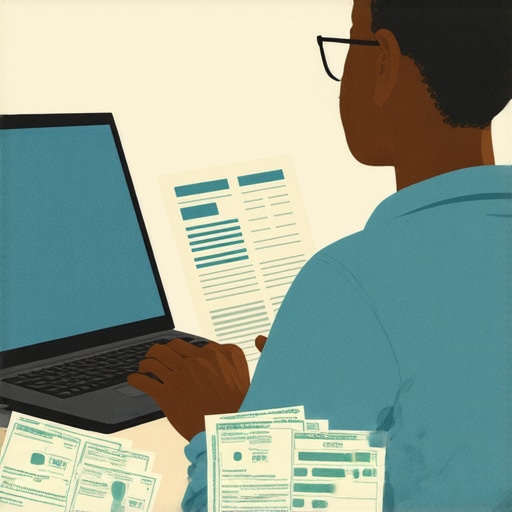 Many people believe that simply paying bills on time or avoiding debt is enough to rebuild their credit. However, this oversimplification can lead to costly mistakes. For instance, some assume that paying off a collection automatically clears it from their report, but in reality, removing accurate negative marks requires intentional dispute processes or time. Moreover, many think credit counseling is a quick fix, whereas it’s often part of a comprehensive strategy involving debt management and behavior change. To truly improve your credit profile, understanding the nuanced mechanics behind credit scoring is essential.
A frequent myth is that consolidating debt always lowers your score temporarily. While it can impact your score initially, the long-term benefits—like reducing interest and simplifying payments—often outweigh the short-term dip. The key mistake here is not strategizing around timing or choosing the right consolidation methods.
Another hidden trap is the assumption that closing old credit accounts helps your score. In fact, closing accounts can increase your overall utilization rate and shorten your credit history—both negative for your score. Instead, maintaining old accounts open and active, especially those with good standing, can bolster your creditworthiness.
For those venturing into credit building, a sophisticated question arises: How do different credit mix and account age influence your credit score when you’re starting from scratch? Experts reveal that diversified credit types and longer account histories are significant factors, making it advantageous to open different types of credit responsibly over time. According to a study by FICO, individuals with a varied credit mix and older accounts tend to have more resilient scores (source: FICO’s research on credit scoring factors).
Remember, the journey to better credit is not just about fixing problems—it’s about understanding the complex factors at play and using them to your advantage. So, don’t fall for simple myths or quick fixes. Instead, invest in a strategy that recognizes the nuances of credit dynamics. Want a tailored plan? Check out the [step-by-step credit building guide](https://counselcredits.com/step-by-step-guide-to-credit-building-for-new-borrowers) to get started.
Have you ever fallen into this trap? Let me know in the comments.
Consistent Monitoring with Advanced Software
To maintain and enhance my credit profile over time, I rely heavily on specialized software like Credit Karma and Experian Boost. These tools provide real-time updates, alert me to changes, and even flag potential inaccuracies before they impact my score. I’ve personally found that setting up daily email notifications for credit report fluctuations keeps me proactive, rather than reactive, in managing my credit health. Moreover, Experian Boost allows me to include utility and phone payments into my credit file, which has made a sizeable positive difference—something I recommend everyone to leverage for maximum benefit.
Utilizing Automated Payment Platforms
Automation is an essential part of my strategy. I use platforms like Plastiq (although noting their fees) to schedule recurring payments for bills that might not otherwise be reported, such as some private utilities. Automating payments ensures punctuality, preventing late marks that could drag down your score. I especially set up automatic payments on my credit cards and secured loans, thus fostering good habits and securing a consistent record. In the future, I believe AI-driven financial management apps will further personalize and optimize credit health tracking—stay tuned for innovations in this space.
Regularly Scheduling Credit Checkups and Simulations
Beyond continuous monitoring, I dedicate time quarterly to simulate different credit scenarios through tools like FICO’s Score Simulator. These exercises help me understand how new accounts, debt reductions, or inquiries could impact my overall score. Seeing potential changes motivates me to stay disciplined and makes me more confident in decision-making. This method integrates well with my broader debt management plan, which I also keep refined through consulting resources such as debt management tips.
Training Automated Alerts for Fraud or Unauthorized Activity
I’ve set up alerts for any activity that appears suspicious, which provides long-term security and peace of mind. Identity theft or mistaken account activity can undo months of progress if not caught early. By using services like Credit Sesame’s alerts, I get notified instantly if new inquiries or accounts are opened under my name, allowing swift action. This proactive approach is vital for maintaining a pristine credit record and safeguarding my financial reputation.
Anticipating Future Trends in Credit Maintenance
Looking ahead, I predict that machine learning and artificial intelligence will become integral to credit health management tools. These future systems could automatically adjust your credit strategies based on real-time data analysis, similar to how investment portfolios are managed. Staying ahead involves adopting the most sophisticated tools now—such as personalized credit dashboards and AI-driven reports—so you can adapt your approach seamlessly as the credit landscape evolves.
How do I maintain my credit health over time?
The key is integrating advanced tools with disciplined habits—automatic payments, regular score simulations, and proactive fraud alerts. I highly recommend trying out the features of Experian Boost to include utility payments in your credit file; it’s a straightforward yet powerful step that could make a real difference. Remember, consistency combined with smart technology is your best recipe for long-term credit success. For additional insights, explore credit counseling insights.
One of the most eye-opening lessons I learned on my credit journey was that some of the most overlooked bills—like utilities—can serve as powerful tools for credit improvement. I used to dismiss utility payments as just expenses, unaware that reporting these timely payments could significantly boost my credit score. That realization was a game-changer, transforming my approach from mere bill-paying to strategic credit building. If you’re feeling stuck with your credit report, consider whether you’re maximizing all your financial activities—sometimes, the keys to better scores are hiding in plain sight, like your monthly utility bills.
Lessons from Personal Mistakes That Accelerated My Progress
- Don’t Assume Automatic Reporting Works: I thought paying bills on time was enough, but without a reporting service, my good habits weren’t reflected in my credit profile. Connecting utility payments to a service like Counsel Credits made all the difference, turning regular payments into positive credit history.
- Automate to Stay Consistent: Manual payments were prone to delays. Setting up automatic payments ensured I never missed a due date, safeguarding my score from avoidable late marks.
- Monitor, Don’t Guess: Regularly reviewing my credit report helped me verify that my utility payments were correctly reported, catching errors early and avoiding unnecessary score damage.
- Holistic Strategy Is Key: Combining utility reporting with secured credit cards and credit-builder loans created a balanced, resilient credit profile that could withstand fluctuations.
- Recognize the Power of Diversification: While utility bills helped, I learned that a varied mix of credit accounts—like installment loans and revolving credit—strengthened my score further, a fact supported by studies showing diversified credit boosts your resilience.
My Top Tools for Continued Success
- Counsel Credits: Their straightforward utility reporting services turned my bills into tangible credit points, making the process seamless and effective.
- Experian Boost: A free tool that adds utility payments to your credit report instantly, which I personally found encouraging and motivating.
- Credit Karma: Regular check-ins with real-time updates keep me informed and ready to act on any discrepancies or opportunities to improve.
- Credit Score Simulators: Using tools like FICO’s simulator helped me visualize how my actions impacted my score, guiding smarter decisions.
Believe in Your Power to Transform Credit
Embarking on a credit-building journey can feel daunting at first, but remember—small, consistent steps lead to powerful results. Your utility bills, often seen as just necessary expenses, can become your allies in building a healthier credit profile. The key is to leverage available tools, stay disciplined, and keep learning. You control your financial future—don’t wait for perfect conditions to start. Begin today, and watch how your efforts turn into tangible credit gains that open new doors.
What’s one overlooked bill or activity you think could help your credit score? Share your thoughts below—I’d love to hear your insights!