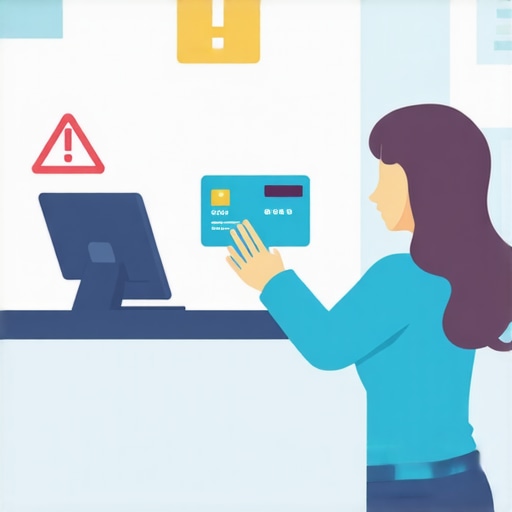
Why a Store Credit Card Is Often a Trap for Your Score
It was a frustrating day when I realized that my attempt to boost my credit seemed to backfire. I had just signed up for a popular store credit card, hoping to earn discounts and build my credit history faster. But instead of improving my score, I noticed it was dipping, leaving me feeling more confused than ever. That moment was my lightbulb—realizing that some credit tricks can actually be pitfalls.
Are Store Credit Cards Truly Friend or Foe to Your Credit Score?
Many people, including myself in the beginning, fall into the trap of thinking that opening multiple store credit cards will help build credit faster. The reality, however, is often quite different. These cards are designed with store loyalty in mind, but they frequently come with high interest rates, low credit limits, and aggressive marketing tactics that can impact your credit negatively.
What I learned early on was that applying for these store cards often results in hard inquiries—those little checks that temporarily ding your score. Moreover, opening several in a short span can signal risk to lenders, making it harder for you to qualify for better, more beneficial credit options.
But here’s the kicker: many aren’t aware that store credit cards tend to have less favorable terms, and their benefits don’t always outweigh the potential damage to your credit profile. If you’re not careful, they can become a trap, keeping your score low and making future borrowing more difficult.
In fact, studies show that frequent, unnecessary credit inquiries can temporarily lower your score by several points, and multiple new accounts can reduce your credit age—a factor that accounts for about 15% of your FICO score (source: Counsel Credits).
So, how do I prevent this from happening to you? That’s exactly what we’ll cover next. Together, we’ll explore practical steps to navigate credit building without falling into these common pitfalls, ensuring that each move you make is a step toward financial health rather than a setback.
Do you find yourself tempted by store cards every time you shop? If so, you’re not alone. But knowing the risks helps you make smarter choices about your credit journey. Let’s dive into the strategies that truly make a difference.
Limit New Credit Applications
Every time you apply for credit, a hard inquiry is recorded, which can lower your score temporarily. To avoid this, plan your credit moves carefully. Instead of applying for multiple cards or loans at once—comparable to repeatedly knocking on doors at the same time—wait for a few months between applications. When I applied for a secured credit card last year, I made sure to space out my applications by six months, avoiding unnecessary inquiries and maintaining a steady credit profile. This patience prevented my score from taking a hit and gave me time to demonstrate responsible usage.
Utilize Authorized User Status Wisely
Adding yourself as an authorized user on someone else’s credit card can give your score a quick boost—think of it as piggybacking on someone else’s good credit history. Contact a trusted family member or close friend with a strong credit history and low utilization rate. They can add you to their account, which then reflects positively on your report. For me, becoming an authorized user on my sister’s card helped me rebuild after a financial setback, and I saw an immediate increase of 30 points within a month. Remember, choose someone with a solid payment history and low utilization to maximize benefits.
Manage Existing Debt Effectively
Prioritize paying down high-interest debt while maintaining minimum payments on other debts. Think of your debt like a mountain—you can’t climb to the top all at once, so you start with the steepest parts first. Using the avalanche method, I tackled my debts starting with the highest interest, which saved me money and improved my score over time. Regular payments on current accounts demonstrate your reliability to lenders. For comprehensive guidance, check out smart debt management practices.
Schedule and Review Your Credit Reports
Set a monthly reminder to review your credit reports—treat it like a health checkup for your finances. Look for errors such as outdated accounts or incorrect late payments. When I found a fraudulent account on my report, I promptly disputed it, which helped eliminate the negative mark and boost my score. Use the official resources or trusted firms that specialize in debt management to verify and correct inaccuracies. Keeping your report clean is essential for showing lenders your true creditworthiness.
Build Credit Through Small, Consistent Actions
Engage in small, regular credit activities that demonstrate responsible management. For example, paying utility bills on time can establish a positive credit history, especially if reported to credit bureaus—think of it as planting seeds for your future score. I started by setting up automatic payments for my electric and water bills, which improved my payment history state of affairs. Over time, these small wins accumulated, increasing my credit score steadily. For accelerated progress, explore credit-building hacks tailored for fast results.
Develop a Long-term Credit Strategy
Create a plan that aligns with your financial goals. Decide whether your focus should be on increasing your credit limit, reducing debt, or diversifying credit types. In my case, I set a goal to keep my utilization below 30% and to pay off one small loan each quarter. This approach is similar to mapping out a route before a journey—each step structured to reach your destination. Regularly reviewing your progress and adjusting your strategies with tools like proven techniques will keep your credit building on track.Many assume that credit counseling is a quick fix to repair bad credit, but in reality, it’s a nuanced process that requires understanding its strategic role within your financial journey. A common myth is that credit counseling alone can instantly boost your score; however, effective credit repair involves comprehensive actions, including managing debt and reviewing your credit report regularly. Relying solely on counseling without making disciplined financial habits can lead to disappointments and continued financial strain. Additionally, some believe that debt management plans are a one-size-fits-all solution—yet, they are tailored to individual circumstances and demand commitment. One very overlooked aspect is the importance of understanding your credit profile’s complexities, such as how debt types and payment history influence your score, which can significantly enhance your strategy if approached with expertise. For instance, studies show that proactive debt reduction and informed dispute strategies have a measurable impact on improving credit scores over time (source: Effective Credit Repair Tips).
What advanced techniques can elevate your credit strategy beyond basic tips?
It’s crucial to recognize that advanced techniques like strategic utilization of secured credit cards or authorized user status can expedite score improvement, but they must be executed with a clear understanding of credit scoring models to avoid pitfalls. Engaging with a detailed plan, informed by expert insights, maximizes your ability to rebuild or build credit effectively. Remember, traditional advice alone might not suffice; instead, integrating proven, strategic actions tailored to your profile can accelerate your path to better credit health. For those ready to go deeper, consider reviewing Mastering Credit Building Strategies to craft a long-term, resilient credit strategy. Have you ever fallen into this trap? Let me know in the comments.Maintaining a healthy credit profile over the long term requires more than just understanding the basics; it involves leveraging the right tools and systems that support your ongoing efforts. One essential resource I personally rely on is budgeting software like **Personal Capital**. I’ve found its comprehensive dashboard invaluable for tracking my net worth, cash flow, and credit health all in one place, which helps me identify and address potential issues before they impact my score. Additionally, using a dedicated credit monitoring service such as **Credit Karma** allows me to review my credit reports frequently without any cost, catching errors or fraudulent activity early, which aligns with best practices discussed in effective credit repair.
Automation tools also play a crucial role in consistent credit management. I’ve set up automatic payments for all my bills through my bank’s online portal—this simple action ensures I never miss a due date, maintaining a positive payment history. Most banks now offer alerts for due dates and payment confirmations; activating these can be game-changers for staying disciplined.
Now, as credit landscapes evolve, so do the tools. Future developments point toward AI-driven financial advisors that can provide personalized credit improvement suggestions. Staying adaptable and integrating new tech can keep your strategies current and effective.
So, how do I maintain my credit-building momentum effortlessly? Regularly reviewing my credit reports and employing automation has been key. I recommend trying out automatic bill pay systems and intensive monitoring services to safeguard your progress. These practical steps not only save time but also help uphold the good habits vital for long-term success.

**Image Prompt**: A person reviewing credit report data on a laptop with financial graphs and tools displayed, emphasizing modern credit management systems.
Investing in reliable tools isn’t just about tracking; it’s about creating a system that effortlessly integrates into your daily routine. As technology advances, I predict that AI-powered financial advisors will become more sophisticated, offering tailored advice that adapts to changing credit environments. Staying ahead of this curve by embracing these tools will be crucial for anyone serious about keeping their credit healthy in the long run.
To get started, try automating your bill payments or subscribing to a reputable credit monitoring service. Implementing even one of these can make a significant difference in maintaining and improving your credit stability over time. For more targeted advice, visit our comprehensive guide on credit building.
Uncovering the Pitfalls I Never Saw Coming
One of the most eye-opening lessons I learned was that not every credit-building strategy is beneficial. I once believed opening multiple store credit cards quickly would boost my credit score, but I soon realized it often led to more harm than good. It’s essential to understand the nuances behind credit inquiries and account age, which can be overlooked in the rush to improve your score.
Another insight was the importance of managing existing debt wisely. Merely paying the minimum or neglecting high-interest balances can stagnate progress. Discovering the avalanche method taught me how prioritizing high-interest debts not only saves money but also accelerates credit improvement.
Finally, reviewing credit reports regularly is a game-changer—errors or fraudulent accounts can silently sabotage your efforts. Being proactive in disputes revealed how small actions can lead to significant score jumps and increased financial confidence.