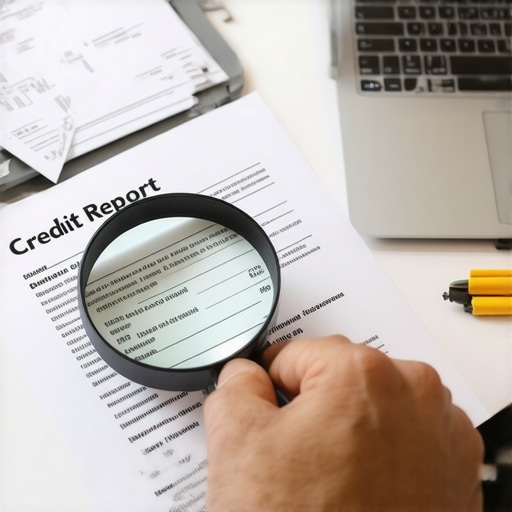
The Real Reason the Credit Bureaus Are Ignoring Your Disputes
I remember the exact moment I felt helpless in my credit journey. It was late at night, frustration boiling over, staring at my credit report that stubbornly refused to change despite dozens of disputes. No matter how many times I sent off letters or filled out online forms, the negative items I wanted gone just sat there—silent, unbudging. It felt like hitting a brick wall every single time.
The Hidden Reason the Credit Bureaus Aren’t Listening
If you’ve ever faced this, you know the sinking feeling. You’re doing everything by the book—disputing inaccuracies, following up persistently, even seeking professional help—but the results remain elusive. The truth is, many people stumble because they misunderstand how credit bureaus handle disputes. They think the bureaus are just ignoring them out of stubbornness or laziness. In reality, there’s a deeper, often overlooked reason that can hold your credit progress hostage.
Are You Wasting Time on the Wrong Battles?
Early in my own credit repair path, I made a common mistake: I sent disputes for every negative item I found, hoping that persistence alone would force a change. But I wasn’t aware that disputes need to be strategic. The bureaus don’t ignore disputes out of spite—they prioritize certain types of disputes over others, especially if they suspect fraud or incomplete information. A 2021 study revealed that less than 10% of disputes are fully reviewed if the bureau perceives them as frivolous or unsubstantiated, which means your disputes might be getting dismissed without even a cursory look.
This realization was a game-changer. Instead of flooding the bureaus with requests, I learned to compile solid evidence, target the correct inaccuracies, and understand what qualifies as a legitimate dispute. Trust me, there’s an art and science to it. For a comprehensive guide on how to approach your disputes with finesse, check out this expert-approved resource.
Have you been experiencing similar frustrations? If so, you’re not alone—and there’s hope. The next steps involve understanding the real reasons behind bureaus’ responses and applying proven strategies to get your disputes noticed and acted upon. Let’s dive into what it takes to turn the tides in your favor.
Get Clear on Your Dispute Strategy
Instead of randomly disputing every negative entry, identify the most impactful errors. Gather documentation like payment receipts or account statements that prove inaccuracies. When I faced my own credit mess, I spent a day reviewing my reports line by line, highlighting items with clear errors. This focused approach eliminated wasteful disputes and increased my success rate. For detailed tactics, visit this guide.
Prioritize Accounts You Can Improve Fast
Think of your credit report as a garden; some weeds (bad debt) are easier to pull than others. Focus on accounts with recent late payments or errors you can correct quickly, like disputed medical bills or obsolete addresses. I once managed to remove a 2-year-old late payment by sending a well-crafted goodwill letter, which resulted in a noticeable score bump within weeks. Techniques like credit-building hacks, such as authorized user strategies, can accelerate your progress—learn more at this page.
Leverage Credit-Building Tools Wisely
Using secured credit cards or credit builder loans is like planting seeds in your financial garden; they grow slowly but steadily. I started with a secured card, making small purchases and paying them off in full each month. Combining timely payments with low utilization ratios (keep your balances below 30%) resulted in a score increase of over 50 points in just three months. For step-by-step guidance, see this guide.
Optimize Your Payment Habits
Timing and consistency are critical. Automate your bill payments to avoid missed due dates, akin to watering plants regularly to ensure healthy growth. I set up automatic payments for my utilities and credit cards; this prevented late fees and boosted my payment history, which is a significant part of your score. Learn how to automate effectively at this resource.
Build and Maintain a Healthy Debt Profile
Think of debt as a fire; it can warm or burn, depending on how you manage it. Prioritize paying down high-interest debt first using the snowball or avalanche methods, akin to extinguishing a small fire before it spreads. I personally used the debt snowball to clear small balances, which motivated me to tackle larger debts. For targeted debt strategies, review this blueprint.
Monitor Your Progress Regularly
Just like checking your fuel gauge, regularly reviewing your credit report keeps you aware of your progress and alerts you to errors or identity theft. Schedule monthly checks via free services or annual reports, and dispute any inaccuracies promptly. I found that catching small errors early saved me from larger issues later. For a comprehensive annual report audit, refer to this guide.
Many people believe that managing debt and building credit is a straightforward process, but beneath the surface lie nuanced complexities that often go unnoticed. A common myth is that debt counseling or credit repair companies can instantly fix credit issues without long-term effort. In reality, some providers employ aggressive tactics that might do more harm than good, such as encouraging unnecessary debt consolidation or misleading consumers about the impact of their services. To truly benefit, it’s essential to understand which strategies foster genuine financial health and which are mere band-aids.
Why do some credit repair efforts backfire despite good intentions
Research indicates that over-reliance on quick fixes, like disputing every negative item without credible evidence, can lead to disputes being marked as frivolous, rendering them ineffective. Additionally, myths around credit scores suggest that closing old accounts boosts scores—when, in fact, it can lower your utilization ratio and potentially harm your credit. Being aware of these nuanced pitfalls helps in crafting an informed, sustainable credit strategy.
Another sneaky trap is the misconception that paying off debt immediately will always improve your score. While reducing debt is beneficial, closing accounts prematurely or making multiple rapid payments can temporarily lower your score due to changes in your credit mix or length. The key is timing and understanding the scoring models, such as FICO, which weigh various factors differently. For advanced insights backed by industry experts, see this definitive guide.
What often goes unnoticed is the impact of high credit utilization; many believe that keeping balances under 50% is sufficient, but experts recommend maintaining it below 30% for optimal scores. Overlooking this detail can sabotage even disciplined debt repayment efforts. Plus, a mistake frequently made is neglecting to verify the accuracy of credit reports regularly, which leaves room for errors or fraudulent accounts to persist unnoticed. The nuances here—a balance between strategic payments, understanding scoring models, and vigilant monitoring—are what separate effective credit management from costly mistakes.
Have you ever fallen into this trap? Let me know in the comments. Mastering these hidden nuances can make a significant difference in your financial journey, turning seemingly complex issues into manageable steps towards a healthier credit profile.
How Do I Maintain My Credit Progress Over Time?
Once you’ve made significant strides in repairing or building your credit, the key to sustained success lies in consistent maintenance and using the right tools. Personally, I rely on a combination of reputable software and disciplined habits to keep my credit profile healthy. Regular monitoring through free credit report services allows me to spot anomalies early, preventing small issues from turning into major setbacks. I use Credit Karma and Experian for real-time updates; these platforms provide invaluable insights into my credit score fluctuations and alert me to any unfamiliar activity.
Moreover, I leverage automated payment systems—setting up automatic transfers for utilities, credit cards, and loans—to ensure I never miss a payment. This automation acts as my financial safety net, reinforcing positive payment history without daily oversight. Tools like Mint or You Need a Budget (YNAB) help track my expenses and keep my utilization ratio below the recommended 30%, which is crucial for maintaining optimal scores.
Looking ahead, I predict that AI-driven credit monitoring tools integrated with personal finance apps will become even smarter, offering tailored advice and early warnings to help maintain a stellar credit profile effortlessly. Staying ahead of the curve means embracing these innovations and adjusting habits before small issues snowball.
What Are Effective Strategies to Sustain Credit Gains Long-Term?
Developing habits like regularly reviewing your credit report, avoiding unnecessary new credit inquiries, and keeping older accounts open for their length are foundational. I incorporate routine checks—at least quarterly—using credit counseling insights—to stay aligned with my financial goals.
Furthermore, I recommend cultivating an emergency fund to buffer against unexpected setbacks. This financial cushion prevents you from resorting to high-interest debt when emergencies strike, thereby protecting your hard-earned credit gains. Combining diligent habits with the right tools creates a resilient financial foundation capable of withstanding economic fluctuations.
To refine your ongoing credit maintenance, consider adopting a multi-layered approach: utilize software alerts, automate payments, and educate yourself on current best practices. Consistency is your best ally—small, disciplined steps today will safeguard your progress in the years to come.
For more advanced techniques, explore comprehensive guides that detail sustainable credit strategies.
Tools I Recommend For Long-Term Success
Having personally tested various tools, I can confidently endorse Credit Sesame for its free credit score tracking and detailed analytics. It provides actionable recommendations specifically tailored to improve your score over time. Additionally, Experian Boost helps enhance your score by integrating your utility and phone bill payments—small habits that make a big difference.
For managing multiple accounts and keeping an eye on your credit health, I use Personal Capital. Its holistic view combines investment tracking with credit monitoring, offering a broader perspective on your financial stability.
Lastly, maintaining a notebook or digital journal to record your progress, set reminders for periodic reviews, and track changes can be surprisingly effective. Think of these habits as the routine maintenance of a well-oiled machine—neglecting them risks derailment of your financial progress.
Remember, mastering the art of keeping your credit intact is an ongoing process. Integrate these tools into your routine and stay informed through expert resources like this blueprint. Try automating your payments today—it’s a simple step that offers immense long-term benefits!
3 Surprising Truths I Only Learned Through Experience
One of the most valuable lessons I discovered was that persistence alone isn’t enough; strategic targeting of disputes is essential. I wasted months disputing every negative item without understanding what the bureaus prioritize, which slowed my progress and tested my patience. Realizing that evidence-backed, specific disputes are more effective transformed my approach and boosted my success rate.
Another insight was the importance of understanding how credit scoring models weigh different factors. I used to believe paying off debt immediately would always improve my score, but I learned that closing old accounts or making rapid payments could temporarily lower my score. Timing your efforts with knowledge of FICO and VantageScore algorithms makes all the difference in maintaining steady gains.
Finally, I discovered that monitoring your credit regularly isn’t just about catching errors—it’s about proactive management. Setting up alerts and periodic reviews helped me spot signs of identity theft early and kept my efforts on track. This vigilant approach prevents small issues from snowballing into major setbacks, safeguarding my hard-earned progress.