
The Trick for Removing a Repossession From Your Credit History
I still remember the sinking feeling in my stomach when I first saw that dreaded line about a repossession on my credit report. My mind raced—how did this happen, and more importantly, could I fix it? That moment was a lightbulb for me: a repossession doesn’t have to stay permanently stained on your credit history, and knowing the right trick can be a game-changer.
Why Removing Repossession Details Can Transform Your Financial Future
In today’s world, your credit report isn’t just a report card of your financial past; it’s a gatekeeper to your future opportunities. A single repossession can slash your credit score, making it harder to qualify for loans, mortgages, or even rent apartments. Yet, many people don’t realize that there are proven methods—like the trick I discovered—that can help you get repossessions removed faster and more effectively. Achieving this can open doors to better interest rates and financial stability.
Is Your Dream Home Out of Reach Because of One Mistake?
It’s frustrating to think that one late payment or a repossession might hold you back for years. But here’s the truth—many repossessions can be challenged and, in some cases, removed from your credit report through the right approach. Early in my credit repair journey, I made the mistake of believing that a repossession was a permanent scar. That taught me an important lesson: understanding your rights and the steps you can take is crucial. The Fair Credit Reporting Act, for example, provides consumers with mechanisms to dispute inaccuracies and outdated information, which is where the trick comes in.
Did you know that nearly 20% of credit report errors involve outdated or inaccurate repossession entries, according to a study by the Federal Trade Commission? This means that many repossession records could potentially be cleaned up with a well-structured dispute strategy. So, before giving up on improving your credit score, explore the possibility that something as simple as a dispute could help you turn things around.
If you’ve faced a repossession and felt overwhelmed, don’t worry—you’re not alone. The good news is that with a clear plan, patience, and a little know-how, you can work towards removing this blemish from your report. Over the coming sections, I’ll share the exact steps I took—and that you can take—to challenge and remove repossession entries, paving your way toward a healthier financial future. Curious to see how this trick works? Let’s dive in!
Gather Your Documentation and Understand Your Rights
Start by collecting all relevant documents related to the repossession, such as loan agreements, payment records, and correspondence with the lender. Familiarize yourself with the Fair Credit Reporting Act (FCRA), which grants you rights to dispute inaccurate or outdated information on your credit report. Knowing these rights empowers you to challenge entries confidently.
Identify Inaccuracies or Outdated Entries
Review your credit report carefully for errors, such as incorrect account details, outdated information, or fraudulent entries. If the repossession is listed but the debt was settled, paid off, or outdated (usually after seven years), these can be grounds for dispute. Use tools like the credit report review tips to spot discrepancies.
File a Dispute with the Credit Bureaus
Initiate a dispute with each credit bureau reporting the repossession—Experian, TransUnion, and Equifax—by submitting a formal online or mailed dispute letter. Clearly specify what you believe is inaccurate or outdated, and include copies of supporting documents. Think of this as sending a formal ‘evidence package’—making your case as solid as possible.
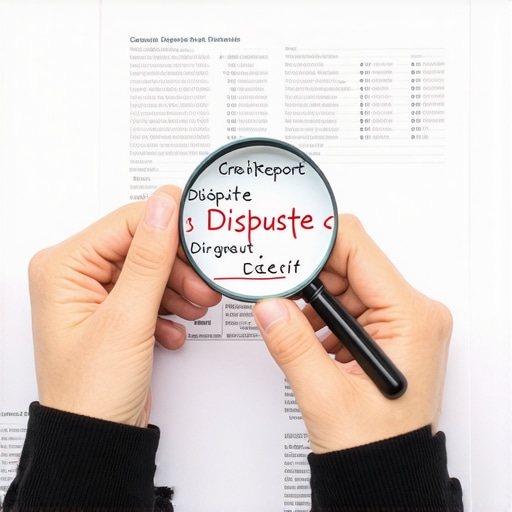
In my experience, submitting a well-documented dispute increased my chances of quick resolution. I once challenged a repossession that was still listed five years after it should have fallen off; within a month, it was removed after presenting my proof of settlement.
Follow Up and Record-Keeping
Track your dispute progress by maintaining copies of all correspondence and tracking numbers. The credit bureaus are required to investigate and respond within 30 days. If they find the information accurate, they will notify you; if not, they will delete or correct the entry. Always verify the changes once the dispute process concludes.
Leverage Professional or Legal Assistance if Needed
If your dispute is unsuccessful, consider consulting a credit repair professional or legal expert, especially if you suspect violations of your rights or fraudulent activity. They can help navigate complex cases or escalate your dispute. For more detailed strategies, browse the credit repair blueprint to understand advanced steps.
Maintain Good Credit Habits Moving Forward
While disputing a repossession can remove the negative mark, building a strong credit profile requires consistent healthy behavior—like paying bills on time, reducing debt, and keeping credit utilization low. Check out credit building strategies to accelerate your journey towards a better score.
Many believe that credit counseling is a quick fix or that credit repair guarantees immediate results. However, these concepts often overlook the nuanced realities behind building and maintaining good credit. For instance, a widespread myth is that debt management programs always harm your credit score; in reality, choosing the right strategy can actually improve your profile over time. One common mistake is relying solely on DIY methods without understanding the legal intricacies involved—this can lead to disputes being dismissed or missed opportunities for correction. Understanding the fine print of your rights, such as those outlined in the Fair Credit Reporting Act, ensures you’re leveraging legal protections effectively and avoiding traps that unqualified services might set. Advanced consumers ask: how do credit scoring models interpret debt reduction strategies, and are some methods better suited for specific financial profiles? Research indicates that personalized approaches, considering credit mix and length of history, yield better long-term results than generic advice. For example, utilizing secured credit cards strategically, as explained in [this comprehensive guide](https://counselcredits.com/credit-building-hacks-fast-track-your-credit-score), can accelerate credit building when done correctly. Conversely, a major pitfall is misapplying rapid repair techniques without assessing their impact on credit age and utilization ratios, which could inadvertently delay scoring improvements. Stay vigilant about these nuances and seek advice tailored to your unique situation. If you’re considering credit counseling or repair, it’s crucial to focus on sustainable habits like consistent payments and responsible credit use, detailed further in [the blueprint for 2025](https://counselcredits.com/the-ultimate-credit-repair-blueprint-for-2025). By doing so, you avoid the common misconception that quick fixes are the ultimate solution, and instead build a resilient credit profile that withstands future challenges. Have you ever fallen into this trap? Let me know in the comments.
Invest in Reliable Software for Consistent Monitoring
One of my top recommendations for maintaining your credit health is using credit monitoring services like Experian or TransUnion. I personally prefer Experian because of its comprehensive alerts and real-time updates, which help me catch inaccuracies or suspicious activity immediately. Regular monitoring ensures that any new errors or fraudulent accounts are flagged promptly, preventing minor issues from snowballing into major damage. In the future, I predict that AI-powered fraud detection will become more personalized, making real-time alerts even more essential.
How do I keep my credit monitoring effective over time?
Set up automated alerts for significant changes in your report, such as new accounts or changes in balances. Review your report at least quarterly, and immediately dispute any unfamiliar entries. For a streamlined approach, I use automated tools integrated with my bank account to flag discrepancies, which saves me hours each month. This proactive stance is vital as the credit landscape becomes more complex with evolving online scams and data breaches.
Build a Digital Archive of Your Financial Records
Having a well-organized digital system to store all your financial documents—statements, dispute correspondence, and proof of payments—is crucial. I store scanned copies securely using encryption tools like VeraCrypt. This practice allows me to quickly gather evidence when disputes arise, reducing the response time from credit bureaus. Looking ahead, blockchain-based document verification might become mainstream, offering more secure and tamper-proof records.
Why is long-term document management important?
Maintaining detailed records helps you verify the accuracy of your credit report and supports any legal disputes or challenging fraudulent entries. It also assists in tracking your progress and identifying areas for improvement. For example, reviewing past calls or correspondence prevented me from repaying old, invalid debts, saving money and improving my score faster. Consistent maintenance ensures your efforts are sustainable, and you’re prepared for any future financial opportunities or challenges.
Tools I Recommend for Ongoing Success
Beyond monitoring and documentation, I suggest leveraging credit building hacks like secured credit cards and automatic payments. These tools help reinforce good habits and keep your credit profile resilient over years of changes in your financial situation. Make sure to set up automated payments for loans and credit cards to avoid late payments, which are often the easiest pitfalls to slip into if you’re not vigilant. As the trends lean toward AI-driven financial planning, integrating smart tools will be essential for maintaining your credit momentum.
For more advanced insights, check out the blueprint for 2025, which offers strategies to sustain and scale your credit repair journey effectively. Don’t forget—staying consistent with these tools and habits is the best way to ensure your credit health endures through market shifts and personal changes.
The Lessons I Still Struggle To Truly Grasp About Dispute Strategies
- One lightbulb moment was realizing that not all negative marks are as permanent as they seem—sometimes, a timely dispute can erase years of damage when you understand the legal grounds well enough to challenge outdated or incorrect entries.
- I used to believe that waiting the full seven years was the only way to see a repossession fall off my report. Now I know there’s a strategic approach to speed up that process through informed disputes and understanding credit laws better.
- Another personal revelation was that consistent monitoring with the right tools can alert you to errors or fraudulent activity before they escalate—saving not just credit points but peace of mind.
- Finally, I learned that building a solid credit profile isn’t just about fixing negatives —it’s about cultivating positive habits that make the repair stick long-term, like responsible credit usage and timely payments, which I now see as essential to lasting financial health.
My Trusted Arsenal for Better Credit Outcomes
- Experian has been invaluable with its real-time alerts, helping me catch mistakes early. It’s a must-have for proactive credit management.
- Books like the step-by-step credit guide for new borrowers transformed my understanding of credit building from a complicated mystery into a clear, actionable plan.
- The credit-building hacks I’ve discovered help accelerate my scores ethically and sustainably, ensuring I stay on the right side of credit laws.
- Lastly, I rely on the ultimate blueprint for 2025 to stay ahead, adapting my strategies with evolving credit scoring models and laws to maximize my financial potential.
What Keeps Me Going and How You Can Start Too
Remember, you don’t have to do this alone. Your journey towards better credit is a marathon, not a sprint, and every step forward is a victory. Whether it’s challenging an outdated repossession or establishing solid credit habits, each action compounds toward a secure financial future. Get started today and embrace the process—your future self will thank you for the effort. Are you ready to take the first step? Or perhaps share your biggest challenge so far in the comments below, and let’s tackle it together.