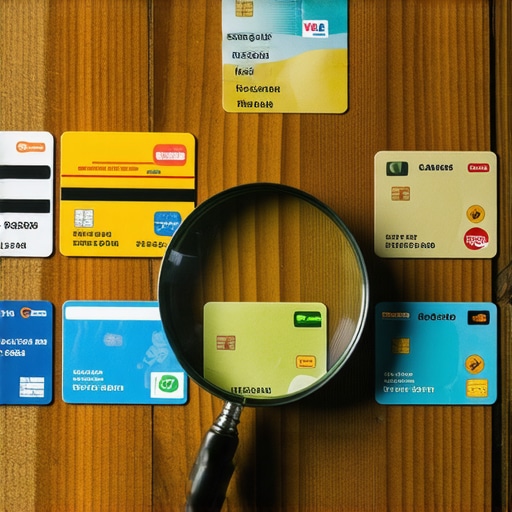
Why Your Credit Utilization Ratio Is Actually Higher Than You Think
It hit me like a ton of bricks one evening—despite paying down my credit cards and keeping my balances low, my credit score stubbornly refused to move. I was doing everything right, or so I thought. Then, I realized something that changed my entire perspective on credit management: my credit utilization ratio was actually higher than I believed. That lightbulb moment felt like a slap in the face. If I, someone who’s dedicated time to understanding credit, was missing this fundamental detail, how many others are unwittingly sabotaging their scores?
Why Your Credit Utilization Might Be Showing a Different Story Than You Think
Many people assume that paying their cards in full each month automatically keeps their utilization low and their credit scores healthy. While paying on time is essential, it’s only part of the puzzle. What often trips folks up is how their credit utilization is calculated and reported to the bureaus. I learned this the hard way early on—making a payment on one card and then immediately maxing out another to make a large purchase can spike your utilization significantly, even if, overall, you’re not overspending.
This inconsistency can lead to a false sense of security. You might believe your utilization is under the recommended 30%, but in reality, some recent activity or how the numbers are reported could be dragging your score down without your knowledge. For instance, opening a new credit card or a large purchase just before your statement closes can inflate your utilization rate, affecting your credit score more than you realize.
Interestingly, recent studies indicate that credit utilization accounts for about 30% of your FICO score—the most widely used scoring model—making it one of the most impactful factors in your credit health ([source](https://counselcredits.com/credit-building-hacks-fast-track-your-credit-score)). So, even a small misstep here can have outsized consequences.
Have you ever checked your credit report and wondered why your score isn’t improving despite your efforts? If so, you’re not alone. I also made the mistake of focusing solely on paying debts down without paying attention to how and when my balances are reported. This oversight cost me precious points.
Understanding the mechanics of credit utilization is a game-changer. It’s a detail that can significantly accelerate your credit-building journey once mastered. Next, I’ll guide you through simple but effective strategies to keep your utilization in check—strategies that helped me turn my credit score around faster than I imagined.
Keep a Close Eye on Your Balances Regularly
Set a weekly reminder to review your credit card statements or use your bank’s app to track your balances. When I first tried this, I noticed my utilization spiked on the days before my statement closing date, causing unexpected score drops. By catching these swings early, I could make small payments to lower my utilization before my statement was generated, avoiding unnecessary hits on my score. This simple habit helps you stay in control and prevents missteps like overspending just before reporting.
Time Your Purchases and Payments Strategically
Think of your credit report like a snapshot—what you do immediately before the statement date has a big impact. For instance, I learned that making a large purchase a few days before my statement closed would temporarily inflate my utilization. To counter this, I timed my big expenses for after the statement cut-off or paid them down beforehand. Making payments early, ideally 2-3 days before the closing date, can significantly lower your reported utilization, boosting your score quickly.
Keep Old Credit Accounts Active, Even Minimal
Closing old credit cards might seem like a good way to clean up your report, but it actually shortens your credit history and can hurt your score. I once closed a card I rarely used, only to see my average account age decrease. Instead, use small recurring transactions—like a $5 purchase—to keep accounts active without risking overspending. This maintains your credit age and keeps your utilization steady across all accounts.
Limit New Credit Applications to Avoid Score Dips
Applying for multiple new accounts in a short period can trigger hard inquiries, temporarily lowering your score. When I applied for a new card during a period of focused credit building, I limited myself to one application at a time. Spacing out applications by at least six months gives your score room to recover and shows lenders you’re not desperate—both good signs for your credit health.
Pay Down Balances Before Your Statement Closes
This is the biggest leverage point. When I noticed my utilization creeping above 30%, I made small payments a couple of days before my statement date. This resulted in a lower reported balance, which immediate improved my FICO score. If you want quick wins, this tactic is gold. Use online banking or your credit monitoring tools to verify exactly when your statement is generated, and plan your payments accordingly.
Utilize Credit-Building Tools and Apps Wisely
There are many apps designed to help you manage and optimize your credit. Some automatically pay down balances or notify you when your utilization hits a certain threshold. I started using one such app, which alerted me before high utilization was reported, allowing me to take preemptive action. Combining technology with disciplined habits makes maintaining ideal utilization levels effortless, speeding up your credit growth.
Consider a Balance Transfer for Major Expenses
If you have large upcoming expenses, transferring balances to a low-interest or no-interest credit card can help keep utilization low across all your accounts. I did this when planning a home renovation—moving high balances away temporarily prevented my utilization from skyrocketing. Just remember to pay off transferred balances before the promotional period ends, or you’ll face high interest that could negate your score benefits. For more insights on managing debt smartly, check out debt management tips.
Many folks believe that credit repair is merely about disputing inaccuracies or waiting out negative marks. Conversely, debt management is often viewed as simply paying off balances as quickly as possible. However, as I’ve dug deeper into these processes, I’ve realized that most people miss crucial nuances that can make or break their financial progress. One widespread myth is that paying more than the minimum on debts always accelerates recovery. While this is generally true, the real secret lies in *how* and *when* you pay, especially considering the timing of reporting cycles. For instance, making a large payment right before your statement closing date can have a disproportionately positive effect on your credit score, but many overlook this tactic, unintentionally leaving points on the table. Exploring the advanced mechanics of credit bureaus reveals that their reporting schedules and scoring models are complex; understanding these can help you strategize effectively for faster improvements. A common trap is relying solely on credit counseling as a quick fix. While helpful, some believe that enrolling in a program will instantly repair their credit. In reality, effective counseling requires active participation and discipline—it’s not a magic wand. For example, in-depth [credit counseling insights](https://counselcredits.com/credit-counseling-insights-unlock-your-path-to-better-credit) emphasize that avoiding common pitfalls and maintaining consistent good habits are key. For the savvy, the most overlooked nuance is the importance of lengthening your credit history and managing your credit mix. Many assume closing old accounts or opening new ones won’t impact their score, but these actions can significantly alter your credit profile. Experts like FICO highlight that credit age and diversity influence your score more than many realize ([source](https://counselcredits.com/credit-building-hacks-fast-track-your-credit-score)). So, are you still falling for simplistic advice? Perhaps you’re leaving valuable points unclaimed each month by ignoring subtle but impactful strategies. Let’s dig deeper.
How can understanding the scoring model help you Optimize your credit efforts?
Knowing that FICO and VantageScore weigh factors differently, and that certain actions can have delayed or immediate effects, allows for tailored approaches. For instance, timing payments or inquiries carefully can protect your score from unnecessary dips. Don’t forget, tools like [effective credit repair techniques](https://counselcredits.com/how-to-repair-credit-fast-essential-tips-for-better-scores) can guide you through these advanced tactics. Remember, mastering these nuances is what separates average credit repair from real financial empowerment. Have you ever fallen into this trap? Let me know in the comments.Maintaining a healthy credit profile requires more than just initial effort; it demands the right tools to monitor, analyze, and strategize effectively. One tool I personally swear by is Experian’s CreditWorks, which offers real-time updates and detailed reports, allowing me to catch any discrepancies before they impact my score. I also use a budgeting app called Mint, not only for expense tracking but because it helps me ensure my utilization stays within optimal ranges, especially when I plan large purchases. These tools empower me to stay proactive and avoid reactive mistakes that can set back my progress. Looking ahead, the trend toward AI-driven credit management suggests that in the future, we might see personalized dashboards that automatically suggest improvements based on your spending habits and credit report changes—making maintenance more intuitive than ever.
The Hardest Lesson I Learned About credit repair,debt management,credit counseling,credit building
One of my most eye-opening realizations was that even small missteps in timing my payments could significantly impact my credit score. It taught me that managing credit isn’t just about paying bills but understanding *when* and *how* your payments are reported. Additionally, I discovered that certain actions, like closing old accounts prematurely, could unintentionally shorten my credit history—something I had to learn the hard way. These lessons pushed me to develop disciplined routines, such as regularly monitoring my report and strategically timing payments to maximize my score improvements.
My Go-To Tools for Better Credit Management
Over time, I found that technology could be a powerful ally in my credit journey. Most notably, I rely on [Experian’s CreditWorks](https://counselcredits.com/building-credit-from-scratch-a-step-by-step-guide) for real-time insights, which helps me catch discrepancies early. Additionally, budgeting apps like Mint keep my spending in check, ensuring my credit utilization stays within optimal limits. For comprehensive credit education, books like Building Credit from Scratch have offered invaluable insights that go beyond surface-level advice. These tools and resources have been instrumental in my ongoing effort to boost my credit health.
Embracing the Power of Continuous Improvement
Building and maintaining great credit isn’t a one-and-done task; it’s an ongoing pursuit that rewards patience, discipline, and education. I’ve learned that staying proactive—like scheduling regular check-ins and leveraging smart strategies—can make all the difference. Remember, each step you take today can significantly impact your financial future. My journey into credit mastery has shown me that success comes from small, consistent actions rooted in knowledge and self-awareness. You’re capable of transforming your credit profile—starting now.