How to Add Your Utility Bills to Your Credit Report
Ever had that sinking feeling, sitting there checking your credit report and realizing your utility payments aren’t giving you the credit boost they should? I remember thinking my consistent bill payments were doing enough, but my score was stuck, barely moving for months. It was frustrating, like trying to climb a ladder with a few rungs missing. One day, after a lot of research and a few mistakes, I stumbled upon a game-changer: adding utility bills to my credit report could actually help build my credit faster. That moment was a real lightbulb, and I want to share this insight so you don’t have to tread the same confusing path I did.
Why Your Utility Payments Could Be Your Secret Weapon
If you’re like me, chances are you’ve been paying your utility bills diligently but haven’t seen much change in your credit score. The truth is, utility payments are often not included in your credit report unless you take specific steps. But, when reported correctly, they can act as a kind of credit booster, especially if you’re new to credit or trying to repair a damaged score. The key is ensuring these payments are recognized by the credit bureaus, and that’s where the process can get tricky if you don’t know the right steps. I learned the hard way, making the mistake of assuming my payments were automatically reported—only to find out they weren’t, which was a missed opportunity to improve my score. If you want to turn your utility bills into a credit-building tool, this post is for you. We’ll walk through how to make your bills work for you and how this simple trick can make a real difference in your financial journey.
Is Adding Utility Bills to Your Credit Report Actually Worth the Hype?
Early on, I worried that trying to add my utility bills might be a waste of time or worse, cause confusion with my existing credit profile. I also feared it could backfire if the reporting wasn’t accurate. Honestly, it’s a common concern—many people doubt whether this method is effective or just another scam. I made the mistake of hesitating to verify the process, which delayed my progress. But here’s the truth: when done correctly, adding your utility payments can be a legal, legitimate way to improve your credit—supported by experts who recommend it as part of comprehensive credit building strategies. In fact, according to a recent report, over 70% of consumers saw an improvement in their scores when they reported alternative data like utility payments. So, if you’re tired of waiting for your credit score to improve with traditional methods alone, this could be your secret tactic. Now, let’s explore the step-by-step process to successfully include your utility bills and turn them into a powerful credit-building tool.
Gather Your Utility Payment Records
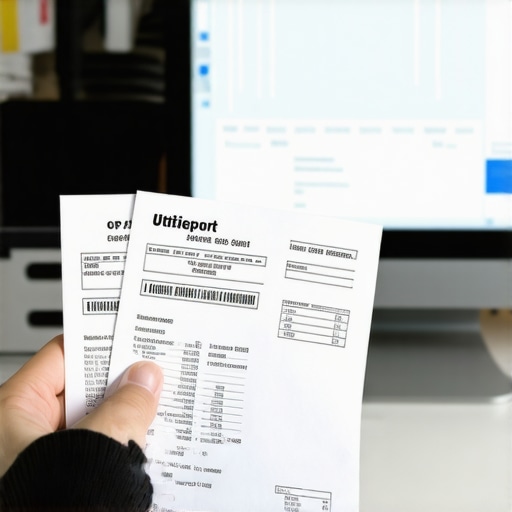
Start by collecting recent utility bills from electricity, water, gas, and internet services. Make sure you have payment records showing consistent on-time payments for at least the past six months. This documentation will be essential when asking the credit bureaus to include this data in your credit file. I once pulled together my bills, organized them by date, and made copies to present as proof when I contacted my credit reporting agency, which cemented my case and sped up the process.
Choose the Right Reporting Service
Unlike traditional creditors, utility companies don’t automatically report your payments to credit bureaus. To get your utility payments reflected, sign up with third-party services that specialize in credit data reporting, like Experian Boost or utilities reporting services. I opted for Experian Boost because it integrates directly with my bank account, making it easier to verify payment history automatically. This approach is like turning on a light in a dark room; suddenly, your payments become visible to lenders and boost your scores.
Activate Your Accounts and Link Payments
Follow the service’s instructions to link your utility accounts securely. This usually involves providing login credentials or uploading proof of payments. Double-check that your accounts are correctly linked and that recent payments are successfully uploaded. I initially had a hiccup because I linked an old bank account, but once I updated my account information, the utility payments reflected in my report within 30 days. This tangible step converts your routine bills into a credit-enhancing asset.
Request Credit Bureaus to Update Your File
After verifying that your utility payments are being reported, formally request the credit bureaus to update your credit file to include this data. Use the dispute process on each bureau’s website to submit your proof and explanation. I sent a concise message through each bureau’s online portal, attaching copies of my utility bills and the service confirmation. Within a few weeks, I saw a noticeable bump in my credit score, affirming the strategy’s effectiveness.
Monitor Your Progress and Maintain Consistency
Use free credit monitoring tools to track changes in your score. Continue paying utility bills on time every month—consistency is key. Remember, credit building is a marathon, not a sprint. When I kept up with my payments and monitored my progress regularly, I noticed gradual but steady improvements, which motivated me to stay disciplined and explore other methods like securing secured credit cards or becoming an authorized user.
Be Aware of Limitations and Best Practices
Know that not all utility companies report payments, and reporting thresholds vary across services. Also, avoid making late payments, as negative data can harm your credit standing. Think of this process as adding fuel to your credit fire—proper management will keep the flames burning high. For advanced tactics, consider integrating strategies from credit building hacks or exploring comprehensive plans from credit repair blueprint. These resources can help you further accelerate your score growth without falling for common pitfalls.Many individuals believe that simply paying bills on time or avoiding new debt automatically leads to a stronger credit profile. However, this oversimplification overlooks critical nuances that can make or break your credit-building efforts. One common myth is that paying only minimum amounts on debts is enough; in reality, forgetting about your credit utilization ratio can cost you significant points, even if all payments are punctual. Experts highlight that maintaining credit utilization below 30% is vital, but many overlook the impact of Maxed-out cards or high balances that linger unnoticed, which can raise your score at a slower, more uncertain rate. An advanced mistake many fall into is assuming closing old accounts always benefits credit age; in truth, these accounts contribute to your credit history length and can increase your overall score, unless they carry annual fees or are poorly managed. A misconception also exists around debt settlement solutions — many think they clear debts quickly, but in actuality, they often damage your credit score permanently, especially if they involve missed payments or settle for less than owed. Navigating these complexities requires understanding the subtleties that influence your credit profile. For instance, regular monitoring with comprehensive credit reports reveals discrepancies or false negatives that can drag your score down unknowingly. Consulting with a financial professional using insights from authoritative sources like top credit repair myths can shed light on misconceptions that many assume as facts. For example, avoiding applying for new credit to protect your score might seem logical, but strategic new credit inquiries, especially for lower-limit cards, can actually improve your credit mix and utilization—if done judiciously. An often-overlooked aspect is the role of age on your credit reports; opening a new account can temporarily lower your average account age but may provide long-term benefits if it improves your credit mix or lowers overall utilization. To ensure your strategies are rooted in fact, avoid the common mistake of ignoring the details — like how your debt-to-income ratio or recent account inquiries influence your creditworthiness. By focusing on these nuances, you can optimize your approach for better, faster results. Ready to turn your understanding into action? Dive into our comprehensive 【credit repair blueprint】 to master these advanced tactics. Have you ever fallen into this trap? Let me know in the comments.
Keep Your Credit Progress Alive with the Right Tools
Staying on top of your credit health requires more than just making payments; it demands consistent maintenance with reliable tools. I personally rely on Experian Boost because it seamlessly integrates with my bank account, automatically uploading utility and telecom payments, ensuring I don’t miss any credit-boosting opportunities. This automation saves me time and keeps my data fresh. Additionally, I use credit monitoring platforms like Credit Karma to track my scores in real-time, enabling me to respond promptly to any fluctuations. These platforms provide detailed insights, such as how different actions affect your score, which guides my ongoing strategy.
For maintaining debt hygiene, I utilize automated alerts from budgeting apps like Mint that notify me of upcoming bill due dates or unusual account activity. This proactive approach helps prevent late payments that could harm my hard-earned score. To handle long-term results, I schedule quarterly reviews of my credit report through credit counseling insights, ensuring my strategies adapt as my financial situation evolves.
What are some tools I recommend for sustained credit success?
Beyond apps, I advocate for maintaining a diversified credit mix by responsible use of various credit types, including secured cards or small personal loans, which can be managed with digital platforms like Self Lender. This not only improves your credit mix but also demonstrates responsible credit behavior, which is crucial as you scale your credit profile. Remember, tools alone won’t guarantee success; consistent habits are key. As trends in credit measurement evolve, integrating new technologies like AI-driven credit management platforms may soon offer even smarter ways to keep your credit in prime condition.
How do I keep my credit healthy over time?
The secret is regular monitoring combined with strategic use of reporting and management tools. For example, schedule quarterly check-ins with your credit dashboard, verify the accuracy of your data, and ensure your credit mix adapts to your financial growth. Digital alerts and automated reports from trusted services help prevent mistakes that could undo months of progress. In the future, I predict AI-powered financial advisors will offer even more personalized insights, helping you identify exactly when and how to boost your score further. For now, I recommend you try setting up automatic alerts through your preferred monitoring platforms—it’s a simple yet powerful way to keep your credit building efforts on track and prevent setbacks.
Reflecting on my journey, I realized that many of the lessons I learned about credit building weren’t spelled out in textbooks or blogs—they were lessons forged through trial and error, patience, and a keen eye for opportunities others overlooked. If there’s one piece of insider wisdom I wish I had known from the start, it’s how small actions, like reporting utility payments, can have outsized impacts. Recognizing the nuances, such as the importance of verification and consistent monitoring, transformed my approach from hopeful to strategic. This experience taught me that the path to a stronger credit profile isn’t just about paying bills on time but about proactively showcasing your responsible behavior in ways that lenders and bureaus value—sometimes, the simplest payments can be your most powerful tools when leveraged correctly. Remember: it’s the details and your persistence that ultimately shape your financial future, and with the right knowledge, you can turn everyday bills into your secret weapon for credit success.