The Credit Building Strategy for Immigrants Without an SSN
I remember sitting in a car dealership lobby, feeling like a ghost. I had a steady job, a clean record, and a pocket full of cash for a down payment, but to the finance manager, I was a total phantom. No Social Security Number (SSN) meant I didn’t exist in their digital systems. I made a massive mistake back then by assuming I just had to wait for my legal status to change before I could participate in the American dream. I wasted two whole years ‘waiting’ when I could have been building a reputation. Today, I’m going to show you that you don’t need those nine digits to start; you just need a specific strategy. We are going to turn your financial invisibility into a solid, high-score profile that opens doors instead of slamming them in your face.
The Day I Realized Being Invisible is Expensive
Living in the United States without a credit history is like trying to run a marathon with your shoelaces tied together. Everything is harder and significantly more expensive. You end up paying massive security deposits for basic utilities, you get hit with the highest possible rates on car insurance, and even finding a decent apartment feels like a hostile interrogation. I spent months frustrated and stuck until I discovered the power of the ITIN—the Individual Taxpayer Identification Number. It was a total lightbulb moment. According to the Consumer Financial Protection Bureau (CFPB), about 26 million people in this country are ‘credit invisible,’ and a huge chunk of those are hardworking immigrants who simply don’t know that the credit system has a side door. If you’ve ever felt that sting of rejection at a bank counter, I want you to know you aren’t alone. Have you ever been told ‘no’ just because you didn’t have an SSN to provide? Reach out and tell me, because I’ve been there too.
Is it Actually Possible to Build Credit Without an SSN?
Many people think the Social Security Number is the only key to the credit kingdom, but that’s a myth that keeps thousands of families stuck in a cycle of cash-only living. Banks and lenders are in the business of lending money; they just need a reliable way to track your history and verify you are who you say you are. By using an ITIN, you can begin building credit from scratch almost immediately. The real secret that the big banks don’t always advertise is that credit bureaus like Experian and TransUnion can and do track history tied to ITINs just as effectively as they do with an SSN.
Stop Waiting for a Social Security Card to Start Your Life
The biggest hurdle I faced wasn’t the law; it was the lack of clear, actionable information. When I first started trying to figure this out, I didn’t realize that your monthly rent should be on your credit report to give you a massive head start. I thought I had to wait for a fancy credit card offer to arrive in the mail. I was wrong. You can start building your legacy with the bills you are already paying every single month. If you follow a dedicated step-by-step guide to credit building for new borrowers, you’ll see that the process is more about consistency and using the right tools than having a specific government ID number. In the next few sections, we’re going to look at exactly how to get your ITIN and which specific lenders are actually ‘immigrant-friendly’ so you can stop being a financial ghost and start becoming a homeowner or a business owner. You might even find some effective credit repair tips to boost your score today if you’ve already had a few confusing missteps while trying to navigate this on your own. Let’s get to work on making you visible to the system on your own terms.
Secure Your Paperwork Before You See a Banker
The first move isn’t going to a bank; it’s going to the IRS. You need an Individual Taxpayer Identification Number (ITIN). Think of the ITIN as your financial passport—it tells lenders you are a legitimate taxpayer, even if you don’t have an SSN. When I applied for mine, I used Form W-7. It felt like a mountain of paperwork, but it was the foundation for everything else. You can find detailed credit counseling insights to unlock your path to better credit that explain how this number replaces the SSN in the eyes of the big three credit bureaus. Once that paper arrives in the mail, you are no longer invisible; you’re just a ‘new file.’
The Specific Cards That Actually Accept Your ID
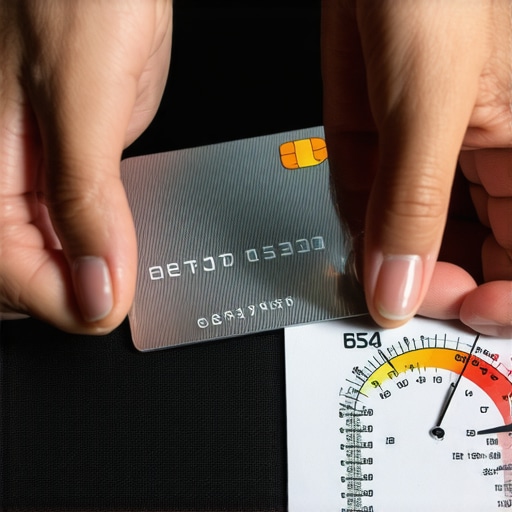
Not every bank plays fair with ITIN holders. Big players like American Express, Capital One, and Discover are known for being more inclusive. I remember walking into a local branch where the teller looked at my ITIN letter like it was written in a dead language. I had to politely point out that their own website accepted ITINs for applications. The best way to break the ice is with a secured card. You give them a deposit—say $200—and they give you a credit line for that same amount. It’s like training wheels for your finances. You should focus on choosing the right secured card for a fast deposit return so you don’t have your cash locked up forever.
Why Your Rent Check is a Secret Weapon
Most people think credit only comes from loans or cards, but that’s old-school thinking. If you’re paying $1,500 a month for an apartment, that’s a massive data point that proves you are responsible. However, your landlord usually doesn’t report that to Equifax or TransUnion unless you force the issue. I used a rent-reporting service to backdate two years of my on-time payments. It was like magic—my score jumped almost 40 points in a month because your monthly rent should be on your credit report to reflect your actual financial reliability. This is a crucial part of building credit from scratch: what you need to know in 2025 to bypass the traditional hurdles.
Manage Your Balance Like a Pro
Once you have the card, don’t just spend and wait for the bill. Credit is a game of ratios. If you have a $300 limit and you spend $290, the credit bureau thinks you’re desperate for cash, even if you pay it off the next day. I learned this the hard way when my score dropped 15 points after I bought a new suit for an interview. To prevent this, use the 15-15 rule for paying off credit card balances effectively. Pay half your bill 15 days before the due date, and the rest 3 days before. This keeps your reported utilization low and shows constant activity. If you follow this strictly, you can learn how to build a 700 score from scratch in 6 months without ever paying a cent in interest.
The Counterintuitive Truth About Paying Old Debts
Most beginners believe that paying off an old collection account is an automatic win for their credit score. It feels logical: you owe money, you pay it, and the ‘bad mark’ should vanish. In reality, this is one of the most common traps that can actually cause your score to stall or even drop. If you have an account that has been dormant for five years, making a payment can ‘reset the clock’ on the statute of limitations in some jurisdictions. This turns what was a fading memory into a fresh, active negative event. Before you send a single dollar, you need to understand how to handle a zombie debt collector calling about a 10-year-old bill so you don’t inadvertently revive a financial ghost. According to experts at the National Foundation for Credit Counseling (NFCC), paying a collection only changes the status to ‘paid collection,’ which still weighs heavily on older FICO models unless you can successfully negotiate a removal.
Don’t Fall for the Digital Dispute Trap
Every credit monitoring app now has a big, shiny ‘Easy Dispute’ button. It looks like a shortcut to a clean record, but it is often a one-way ticket to failure. When you click that button, you are usually waiving your right to a full, manual investigation under the Fair Credit Reporting Act (FCRA). You are essentially opting into an automated system that is designed to favor the bureaus, not the consumer. This is exactly why you should never use the easy dispute button on credit apps. Instead, the real pros send physical, certified letters that force a human to look at the evidence. These letters require a specific ‘method of verification’ that an automated button simply cannot trigger. If you’ve already hit that button and seen your dispute rejected, you aren’t stuck; you just need to pivot to more effective credit repair tips to boost your score today through traditional channels.
How can a perfect payment history still result in a lower score?
It sounds like a paradox: you pay every bill on time, yet your score won’t budge—or worse, it dips. This often happens because of ‘credit mix’ or ‘thin file’ nuances. If you pay off a loan entirely, you might expect a reward, but your score can drop because you just closed an active installment account, reducing your credit diversity. I’ve seen people panic when this happens, but it’s just the algorithm recalibrating. This is a primary reason why your credit score drops after a perfect payment history. Advanced users also need to be wary of the hidden dangers of pay-for-delete agreements you should know, as these informal promises aren’t always honored unless they are backed by the right paperwork.
Choose the Strategy That Protects Your Future
When you are deep in the weeds of credit repair, the pressure to ‘just settle’ is immense. However, there is a massive difference between a Debt Settlement and a Debt Management Plan (DMP). Settlement often involves intentional defaulting to force a lender’s hand, which can devastate your score for years. A DMP, often facilitated through credit counseling insights to unlock your path to better credit, allows you to pay back the principal at lower interest rates without the same scorched-earth impact on your history. You must understand why debt management plans are better than settlement before you sign any contracts that could haunt your profile. Have you ever fallen into this trap of paying an old debt only to see your score drop? Let me know in the comments, and let’s figure out your next move together.
Once you’ve successfully navigated the messy world of disputes and secured cards, the real work begins: staying at the top. I used to think that reaching a 700 score meant I could relax, but credit is a living, breathing number that requires a defensive strategy. To keep mine stable, I rely on a ‘set and forget’ system. I specifically use my primary bank’s auto-pay feature, but I set it to the minimum payment amount just as a safety net. Then, I manually pay the full balance using the 15-15 rule. This ensures I never have a late payment, which is the fastest way to kill your progress, while still practicing smart debt management practices for maintaining financial health.
Why Automation is Your Financial Insurance Policy
When I was first rebuilding, I missed a $12 utility bill because I changed email addresses. That one mistake cost me 40 points and took six months to fix. Now, I use a specific tool called MyFICO to monitor my actual FICO scores, not the ‘VantageScores’ you see on free apps that often provide misleading data. This is part of mastering credit building: proven strategies for a strong financial future. By seeing the same data the mortgage lenders see, I can catch errors before they become catastrophes. If you see your score flatline, it might be time for how to fix a credit mix problem without opening a new loan to keep the momentum going.
How do I keep this score from dropping ever again?
Maintenance is about discipline, not magic. I check my report for ‘soft’ errors every quarter. This includes looking for old addresses or misspelled employer names that can link your profile to someone else’s bad habits. According to the FICO® Score 10 T model, lenders are now looking at ‘trended data,’ which tracks your debt levels over a 24-month period rather than just a single snapshot. This means you can’t just ‘clean up’ your act the month before applying for a loan; you need to show a consistent downward trend in your balances. Staying ahead of these algorithm shifts is why credit counseling secrets for smarter debt management in 2025 are so vital for long-term success.
Where Credit is Heading in the AI Era
We are moving toward a world where your credit score won’t just be about loans. I predict that within the next five years, ‘alternative data’ like your Netflix subscription history and your gym membership consistency will be integrated into most standard scores. This is great news if you are building credit from scratch: what you need to know in 2025, as it gives you more ways to prove you are reliable. However, it also means your digital footprint is becoming part of your financial identity. I recommend you try one advanced tip today: call your highest-limit card and ask for a ‘statement closing date’ shift to align with your payday. It sounds small, but it guarantees your utilization is at its lowest when the bureau takes its monthly ‘picture’ of your finances. If you’re still feeling stuck, don’t wait for the system to change; look into effective credit repair tips to boost your score today and take back control.
Hard Truths About Building History From Scratch
I learned the hard way that the biggest enemy of your financial future isn’t a lack of digits; it’s the belief that you have to wait for permission to start. Here are the core realizations I had while moving from ‘invisible’ to ‘established’:
- The Waiting Trap: I spent years thinking my life was on hold until a Social Security card arrived. In reality, that delay cost me thousands in higher insurance premiums and lost interest.
- Phone Calls Trump Forms: Many automated systems will reject an ITIN initially, but a human on the phone can often override it. Learning the simple script for getting a goodwill deletion on late payments taught me that the system is more flexible than it looks if you know how to talk to it.
- Small Wins Lead to Big Doors: Don’t turn your nose up at a $200 secured card. That tiny plastic card is the engine that will eventually drive your mortgage approval. Even if it feels small, it is a recorded victory in the eyes of the bureaus.
My Go-To Arsenal for Financial Visibility
You don’t need a massive bank account to start, but you do need the right tools in your pocket. These are the resources I trust because they actually work for ITIN holders and new borrowers:
- The IRS W-7 Application: This is your entry ticket. Treat it with the same respect as a passport. It is the only way to transform from a financial ghost into a legitimate taxpayer.
- Secured Credit Cards: This is the fastest way to get data into the credit bureaus. Focus on choosing the right secured card for a fast deposit return so your capital isn’t locked up indefinitely.
- Local Credit Unions: Unlike big national banks, credit unions often have more flexible underwriting and are more likely to look at the ‘person’ rather than just the profile. You will eventually see why your local credit union is better for debt consolidation once your score reaches the mid-600s.
- Reputable Guidance: If you hit a snag, avoid ‘quick fix’ scams. Researching why debt management plans are better than settlement can save you from a seven-year scar on your report.
#IMAGE_PLACEHOLDER_E#
Stop Being a Ghost and Start Owning Your Name
Building a life in a new country is a massive achievement, and your financial profile should reflect that strength. You are no longer a phantom in a car dealership lobby; you are a strategic consumer with a plan. By building credit from scratch using these methods, you are ensuring that your future in the U.S. is defined by your reliability, not your identification type. The road might be slightly longer than it is for those with an SSN, but the destination—home ownership, business capital, and financial peace—is exactly the same. Go out there and start making yourself visible today. Have you applied for your ITIN yet, or is the paperwork holding you back? Let me know in the comments below.