
Why You Should Never Use the Easy Dispute Button on Credit Apps
I remember sitting on my couch three years ago, scrolling through a popular credit monitoring app. I spotted an error—a medical bill I’d already paid. Right there, like a beacon of hope, was a bright blue button that said “Dispute.” It felt like magic. I tapped it, felt a surge of productivity, and went about my day. I thought I was being a savvy consumer, but I was actually sabotaging my own progress. That one tap turned into a six-month nightmare where my score stayed stagnant because I had unknowingly waived my right to a full investigation. Today, I’m going to show you why that convenience is a lie and how you can actually take control of your financial reputation without the gimmicks.
The One Tap That Can Trash Your Credit Score
When you use those built-in dispute tools, you aren’t just reporting an error; you are opting into a streamlined, automated process designed for the credit bureau’s benefit, not yours. Early in my journey, I made the massive mistake of thinking the bureaus were there to help me. I didn’t realize that clicking that button often forces your claim into a three-digit code that strips away all the context and evidence you might have. If you want to see real movement, you need to look at effective credit repair tips to boost your score today that focus on manual, documented processes rather than digital shortcuts. These apps make it easy because it allows them to use automated software to dismiss claims as “frivolous” without a human ever looking at your proof.
Is that one-click convenience actually worth the risk?
You might be wondering if it really matters how the message gets there as long as they know there is a mistake. It matters immensely. According to the Consumer Financial Protection Bureau, credit bureaus often fail to conduct meaningful investigations when automated systems take the lead, leading to a surge in unresolved complaints. When you click that button, you often lose the ability to track the 30-day clock that the law mandates for a response. I’ve seen so many people frustrated because their dispute letter got rejected by the credit bureau later on, simply because the initial digital dispute created a messy paper trail. Have you ever hit that easy dispute button only to find the error came back as “verified” a week later? I’d love to hear if you’ve faced this specific headache. We are going to dive into the the move that forces a response from credit bureaus so you never have to rely on a broken app button again.
Switching to the Certified Mail Strategy
To get results, you have to treat credit bureaus like a stubborn landlord. If you just text them about a leak, they will often ignore it because there is no formal record that forces their hand. However, if you send a certified letter, they know the clock is ticking and legal consequences might follow. This is the logic behind the bureau tactic that forces a manual review without a lawyer. When I was dealing with that medical bill, I finally stopped clicking the “Dispute” button and typed out a one-page letter. I did not use fancy legalese; I just stated the facts and attached my payment receipt. I sent it via USPS Certified Mail with a Return Receipt Requested. That green card you get back in the mail is your golden ticket—it proves exactly when they received your evidence and starts the 30-day legal countdown. #IMAGE_PLACE_HOLDER_B#
Force Them to Show the Original Evidence
The bureaus rely on you being lazy and trusting their automated systems. They hope you will just accept a generic “verified” response generated by a software program called e-OSCAR. But you have the legal right to see the actual proof they used to make that determination. This is where you use the method of verification letter every credit repair diyer needs. Think of this letter as a “show your work” demand on a high-stakes math test. If they cannot produce the original contract or the itemized statement from the creditor, they cannot legally keep that item on your report. I remember one specific collection for a gym membership that refused to budge after three digital disputes. I finally sent a letter asking them to provide the original contract with my signature. Guess what? They did not have it. Because I had a paper trail and a date-stamped receipt of my request, they had to delete the entry within weeks. If you are looking for a comprehensive plan to organize these steps, check out the ultimate credit repair blueprint for 2025 to see how these pieces fit together.
Watch Out for Re-Aged Debt Scams
Sometimes, when you start poking around and demanding transparency, collectors get desperate. They might try to change the “date of last activity” to keep a negative item on your report longer than the legal seven-year limit. You need to know what to do when a creditor re-ages your debt to keep it on your report so you do not get reset back to zero. I once saw a client whose old utility bill from 2015 suddenly looked like a 2023 debt because the collector made a “soft inquiry” and updated the date. We shut that down by demanding the original “date of first delinquency” and comparing it to the original credit report. This isn’t just about fixing errors; it is about how to repair credit fast with essential tips for better scores by holding these companies accountable to federal law.
Verify the Debt Without Risking a Lawsuit
One of the biggest fears people have is that contacting a debt collector will trigger a summons to court. However, knowing how to verify debt without getting sued is a critical skill for anyone rebuilding their financial life. You are not admitting you owe the money; you are simply exercising your right to validation under the Fair Debt Collection Practices Act. Treat your credit report like a crime scene—do not touch anything without gloves, and document every single footprint you find. When you ask for verification, you are essentially asking the collector to prove they even have the right to collect from you. Many debt buyers purchase accounts for pennies on the dollar and often lack the proper documentation to win in court. By asking the right questions early, you can often make them drop the claim before it ever reaches a judge’s desk.
Stop Thinking That Credit Counseling Is Always a Safe Bet
Most people assume that signing up for a credit counseling program is the ‘responsible’ way to handle debt without the stigma of bankruptcy. While it can be helpful, the nuance is often ignored: some lenders view these programs as a sign that you can’t manage your original obligations. Before you sign anything, you need to look for credit counseling insights to avoid common pitfalls in debt management. In my experience, jumping into a plan without understanding the ‘third-party’ notation on your report can be a massive mistake. If you’re not careful, you might be unlocking credit counseling secrets for smarter debt management in 2025 that actually slow down your ability to get a mortgage later.
Will a Debt Management Plan Lock You Out of Future Loans?
It’s a sophisticated question that many high-income earners forget to ask. According to the National Foundation for Credit Counseling (NFCC), while these plans help you pay back debt, the closing of your accounts can lower your average age of credit, which is a major factor in your score. I’ve seen clients consolidate everything only to realize that why debt consolidation is often just moving your problems around rather than solving the core behavior. You might find that why your credit score flatlined despite monthly payments is because you lost the ‘credit mix’ benefit of those individual accounts. 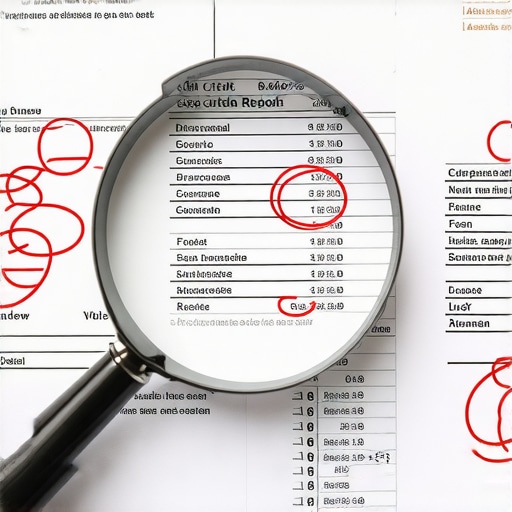
The Reason Your Score Tanks After Paying a Collection
This is the ultimate ‘oops’ factor. You think you’re doing the right thing by paying off a five-year-old collection, but suddenly your score drops 40 points. Why? Because you accidentally updated the ‘Date of Last Activity.’ This makes an old, decaying negative item look brand new to the scoring algorithm. You have to look at top credit repair myths busted by experts in 2025 to understand that sometimes, ‘paying it off’ is the worst move unless you secure a ‘pay-for-delete’ agreement first. Have you ever fallen into this trap? Let me know in the comments. We are moving toward a world where automated systems try to trick you into resetting the clock on your own debt. Don’t let them win by being uninformed. Instead, focus on effective credit repair techniques for a fresh financial start that prioritize legal leverage over simple payments. Another nuance that separates the pros from the amateurs is the ‘Debt-to-Income’ vs. ‘Utilization’ trap. People obsess over their FICO but ignore their DTI. If you are planning a big purchase, your score is only half the battle. You need to master mastering debt management proven strategies for financial freedom that balance both metrics. A common myth is that high-limit cards are always bad; in reality, the secret to getting a high limit card with average credit can actually lower your utilization instantly, providing a faster boost than months of tiny payments. This is where the ultimate credit repair blueprint for 2025 becomes your most valuable asset, guiding you through the timing of these moves so you don’t look ‘desperate’ to lenders.Once you have done the heavy lifting of repair, the real challenge begins: not letting it slip. I have watched friends grind for a 740 only to lose it in a single month because they missed a tiny annual fee on a card they forgot about. To stay on top, you need smart debt management practices for maintaining financial health that run on autopilot. I personally do not rely on the ‘estimated’ payment dates provided by free credit apps. Instead, I go straight to the source. You should know how to get your credit report for free without hidden fees and pull it once every four months to check for ‘soft’ errors that have not triggered a digital alert yet. Errors in address or employment history can often be precursors to identity theft, and catching them early is the only way to prevent a total score collapse.
How do I maintain my credit score over time?
The secret is not checking your phone every morning; it is understanding the reporting cycle. Most people think their score updates when they pay the bill, but it actually updates when the statement closes. I keep a manual ‘Statement Date Calendar’ because I have found that automated tools often lag by 15 to 30 days. By paying my balance three days before the statement date—not the due date—I ensure my utilization is reported as near-zero. This is the core of the logic behind the 15-15 rule for credit card payments. If you can master this timing, you are using credit building hacks to fast-track your credit score that most people never even hear about. 
The tracking tools that actually matter
I have said it before and I will say it again: you have to why you should ignore the credit monitoring score you see online if it is a VantageScore. It is a distraction that can lead to poor financial decisions. Lenders almost exclusively use FICO models for major loans. I use the official FICO app or a credit card built-in FICO tracker because that is the score that actually determines your interest rate. To keep your profile growing, you should also be using the exact script for requesting a credit limit increase that works. I do this every six months on my oldest accounts to keep my credit ceiling high, which naturally buffers my utilization. According to the official FICO 10T Technical Overview, the industry is shifting toward ‘trended data.’ This means that soon, just having a high score today won’t be enough. Lenders will look at your balance trends over the last 24 months to see if you are ‘paying down’ or ‘revolving’ debt. Looking forward, I predict that AI will eventually replace traditional scoring models with real-time cash flow analysis, making your daily banking behavior just as important as your credit history. Start treating your credit like a business asset by setting up a dedicated ‘Maintenance Day’ once a month. Try the 15/15 rule this month; it is an advanced move that forces the algorithm to recognize your liquidity immediately.
The Brutal Reality of Waiting for the 30-Day Clock
After years of fixing my own score and helping others, I’ve realized that the biggest hurdle isn’t the law—it’s the psychological fatigue of waiting. You send a letter, and then there is silence. This silence is often intentional; the bureaus want you to give up and go back to that ‘easy’ blue button that simplifies their workload. I learned the hard way that a 720 score built on a ‘thin’ file is often more fragile than a 680 with a decade of solid history. Don’t just chase the number; chase the ‘thickness’ of your report by keeping old accounts open, even if they have a zero balance. I also discovered that ‘good’ debt can sometimes be a trap; if you aren’t careful, you might find the risks of using a 401k loan to pay off credit cards actually outweigh the temporary score boost when lenders look at your long-term asset health.
Tools That Keep You from Falling Back into the Credit Trap
I don’t believe in paying for ‘magic’ software, but I do believe in a few specific resources that provide true leverage. First, stop looking at free ‘educational’ scores that use the Vantage model; if you want to know what a mortgage lender sees, you must access your actual FICO data. Second, before you ever speak to a professional, you should know the 5 questions to ask before hiring a credit counselor to ensure they aren’t just a settlement mill in disguise. I also highly recommend keeping a physical ‘Credit Bible’—an accordion folder where you store every certified mail receipt and every response letter. This paper trail is more valuable than any app on your phone when it comes to smart credit counseling to rebuild your financial life effectively. Lastly, use a simple calendar to track your statement closing dates so you can time your payments for maximum impact.
#IMAGE_PLACEHOLDER_E#
Start Your Journey to a Permanent 800 Today
The most important thing I can tell you is that your credit score is a reflection of your habits, not your worth as a human being. It’s a tool you use to build the life you want, whether that’s a new home or just the peace of mind that comes with financial stability. By applying these effective credit repair tips to boost your score today, you are taking back the power from automated systems that treat you like a line of code. Stay consistent, stay documented, and remember that every small win adds up to a massive transformation over time. Have you ever noticed your score dip right after you thought you did everything right? Let me know in the comments below, and let’s figure it out together.