How to Fix a Credit Mix Problem Without Opening a New Loan
I was sitting at my kitchen table, nursing a lukewarm coffee and staring at a rejection letter from a mortgage lender. My score was in the 700s, I hadn’t missed a payment in years, and yet, there it was: “Lack of diverse credit types.” It felt like a slap in the face. I didn’t want a car loan. I didn’t want a personal loan. I just wanted to be trusted. This was my “lightbulb moment” where I realized the credit scoring system isn’t just about being responsible; it’s about playing their specific game of variety. Today, I’m going to show you exactly how to satisfy those algorithms and fix your credit mix without adding a single penny of unnecessary debt to your monthly budget.
My Score Was Great but the Bank Still Said No
When I first started focusing on building credit from scratch, I thought having three credit cards with zero balances made me a financial superhero. I was wrong. The reality is that lenders want to see that you can handle different flavors of debt—revolving (like cards) and installment (like loans). If you only have cards, you’re a one-trick pony in their eyes. According to FICO, your credit mix accounts for 10% of your score. That might sound small, but when you’re fighting for a mortgage or a top-tier rewards card, that 10% is the difference between a “yes” and a “try again later.” I’ve been there, and I know how frustrating it is to feel like you’re doing everything right only to be told your “mix” is the problem.
Wait, Is My Credit Mix Actually Worth the Hype?
You might be thinking, “Do I really need to jump through these hoops?” It feels like a trap designed to keep us in debt, right? I used to think the same thing. I worried that trying to “fix” my mix would actually tank my score with too many inquiries or lead me down a path of overspending. But here is the secret: you don’t need a $20,000 personal loan to prove you’re reliable. Have you ever felt like you’re stuck in a credit score plateau despite having a perfect payment history? If so, you’re not alone, and it is likely your mix holding you back.
The Mistake I Made Trying to Look Like a Pro
Early on, I made a classic blunder. I listened to a “guru” who told me to just go get a small personal loan for the sake of it. I ended up paying interest on money I didn’t even need, just to see a tiny bump in my score. It was a waste. Instead, I should have looked into getting my utility history reported or using rent-tracking services. You don’t have to lose money to make money (or credit). We often think personal loans are a quick fix, but they can often become a trap for your cash flow. We’re going to bypass that today with smarter, cheaper tactics.
Let Your Current Bills Do the Heavy Lifting
One of the most overlooked hacks is using things you’re already paying for. I’m talking about your Netflix, your water bill, and your monthly rent. There are specific tools that turn these monthly obligations into self-reporting installment data. For example, using a small subscription service can sometimes be framed in a way that satisfies the mix requirement without the burden of a traditional bank loan. This is about working with what you have, not adding to your stress. Let’s dive into how you can start implementing these shifts right now to see that needle finally move.
Turn Your Monthly Living Costs into Credit Gold
I spent years paying my landlord on time every month without a single “thank you” from the credit bureaus. It felt like I was shouting into a void. Then I realized why your monthly rent should be on your credit report: it is the easiest way to add an installment-like history without actually borrowing money. Think of your credit report like a professional resume. If you only have part-time retail jobs (credit cards), a lender wonders if you can handle a full-time management role (a mortgage). Rent reporting adds that consistent, long-term weight to your file. I signed up for a service that back-dated my history by two years, and the impact was almost immediate because it added a layer of depth my profile was missing. 
How Rent Reporting Actually Hits the Bureau
You have to be careful with the technicalities here. Not all reporting services are equal, and you need to know the truth about rent reporting services and your fico score before you give them your data. Some only report to one bureau, which is useless if your future lender pulls from a different one. When I first tried this, I picked the cheapest option and later realized they didn’t report to Experian—the exact bureau my mortgage lender used. I had to start over. Ensure the service reports to at least two, preferably three, of the major players to get the full benefit of that “mixed” profile.
The Strategic Use of Credit Builder Accounts
If rent reporting isn’t an option for you, credit builder loans are the next best thing. Think of these as a “forced savings” account that masquerades as a loan. You aren’t given the money upfront; instead, you pay the bank every month, they hold the cash in a locked account, and they report those payments as installment debt. It is like using training wheels on a bike—it builds the muscle memory of an installment loan without the risk of a high-interest trap. However, I learned the hard way that the real reason a credit builder loan might not be helping you is usually tied to the term length. If the loan is too short, the scoring boost disappears as soon as the account closes.
Avoid the Trap of High Interest Installment Loans
Don’t let a I was sitting at my kitchen table, nursing a lukewarm coffee and staring at a rejection letter from a mortgage lender. My score was in the 700s, I hadn’t missed a payment in years, and yet, there it was: “Lack of diverse credit types.” It felt like a slap in the face. I didn’t want a car loan. I didn’t want a personal loan. I just wanted to be trusted. This was my “lightbulb moment” where I realized the credit scoring system isn’t just about being responsible; it’s about playing their specific game of variety. Today, I’m going to show you exactly how to satisfy those algorithms and fix your credit mix without adding a single penny of unnecessary debt to your monthly budget.
My Score Was Great but the Bank Still Said No
When I first started focusing on building credit from scratch, I thought having three credit cards with zero balances made me a financial superhero. I was wrong. The reality is that lenders want to see that you can handle different flavors of debt—revolving (like cards) and installment (like loans). If you only have cards, you’re a one-trick pony in their eyes. According to FICO, your credit mix accounts for 10% of your score. That might sound small, but when you’re fighting for a mortgage or a top-tier rewards card, that 10% is the difference between a “yes” and a “try again later.” I’ve been there, and I know how frustrating it is to feel like you’re doing everything right only to be told your “mix” is the problem.
Wait, Is My Credit Mix Actually Worth the Hype?
You might be thinking, “Do I really need to jump through these hoops?” It feels like a trap designed to keep us in debt, right? I used to think the same thing. I worried that trying to “fix” my mix would actually tank my score with too many inquiries or lead me down a path of overspending. But here is the secret: you don’t need a $20,000 personal loan to prove you’re reliable. Have you ever felt like you’re stuck in a credit score plateau despite having a perfect payment history? If so, you’re not alone, and it is likely your mix holding you back.
The Mistake I Made Trying to Look Like a Pro
Early on, I made a classic blunder. I listened to a “guru” who told me to just go get a small personal loan for the sake of it. I ended up paying interest on money I didn’t even need, just to see a tiny bump in my score. It was a waste. Instead, I should have looked into getting my utility history reported or using rent-tracking services. You don’t have to lose money to make money (or credit). We often think personal loans are a trap for chronic overspenders, but they can often become a trap for your cash flow. We’re going to bypass that today with smarter, cheaper tactics.
Let Your Current Bills Do the Heavy Lifting
One of the most overlooked hacks is using things you’re already paying for. I’m talking about your Netflix, your water bill, and your monthly rent. There are specific tools that turn these monthly obligations into self-reporting installment data. For example, using a small subscription service can sometimes be framed in a way that satisfies the mix requirement without the burden of a traditional bank loan. This is about working with what you have, not adding to your stress. Let’s dive into how you can start implementing these shifts right now to see that needle finally move.
Turn Your Monthly Living Costs into Credit Gold
I spent years paying my landlord on time every month without a single “thank you” from the credit bureaus. It felt like I was shouting into a void. Then I realized why your monthly rent should be on your credit report: it is the easiest way to add an installment-like history without actually borrowing money. Think of your credit report like a professional resume. If you only have part-time retail jobs (credit cards), a lender wonders if you can handle a full-time management role (a mortgage). Rent reporting adds that consistent, long-term weight to your file. I signed up for a service that back-dated my history by two years, and the impact was almost immediate because it added a layer of depth my profile was missing. #IMAGE_PLACE_HOLDER_B#
How Rent Reporting Actually Hits the Bureau
You have to be careful with the technicalities here. Not all reporting services are equal, and you need to know the truth about rent reporting services and your fico score before you give them your data. Some only report to one bureau, which is useless if your future lender pulls from a different one. When I first tried this, I picked the cheapest option and later realized they didn’t report to Experian—the exact bureau my mortgage lender used. I had to start over. Ensure the service reports to at least two, preferably three, of the major players to get the full benefit of that “mixed” profile.
The Strategic Use of Credit Builder Accounts
If rent reporting isn’t an option for you, credit builder loans are the next best thing. Think of these as a “forced savings” account that masquerades as a loan. You aren’t given the money upfront; instead, you pay the bank every month, they hold the cash in a locked account, and they report those payments as installment debt. It is like using training wheels on a bike—it builds the muscle memory of an installment loan without the risk of a high-interest trap. However, I learned the hard way that the real reason a credit builder loan might not be helping you is usually tied to the term length. If the loan is too short, the scoring boost disappears as soon as the account closes.
Avoid the Trap of High Interest Installment Loans
Don’t let a high-interest loan become a permanent anchor on your finances. There’s a much deeper level to this game that most experts won’t tell you, and it involves understanding the math behind the curtain.
Why Zeroing Out Your Balance Isn’t Always the Best Move
Most people believe that having zero debt across the board is the holy grail of credit. In reality, the algorithms often penalize a completely empty profile. If every single one of your credit cards reports a $0 balance, the scoring model might actually lower your score because it looks like you aren’t using your available credit at all. I call this the Active Usage Paradox. To maximize your points, you need to look into reading between the lines of your fico score and practice what is known as the AZEO (All Zero Except One) method. This means keeping a tiny balance—less than 3%—on just one card while the others stay at zero. It proves you are active but extremely responsible.
Stop Using the One-Click Dispute Button
We’ve all seen those easy dispute buttons on credit monitoring apps. They promise to fix your credit with a single tap. This is a massive trap. When you use those automated tools, you often inadvertently waive your right to a full manual investigation under the Fair Credit Reporting Act. The top credit repair myths busted by experts in 2025 emphasize that real results come from paper trails, not app clicks. A study by the Consumer Financial Protection Bureau (CFPB) found that automated dispute systems often fail to address the actual documentation provided by consumers. To really force a change, you need to use the bureau tactic that forces a manual review without a lawyer, which usually involves mailing a physical letter that demands a method of verification. 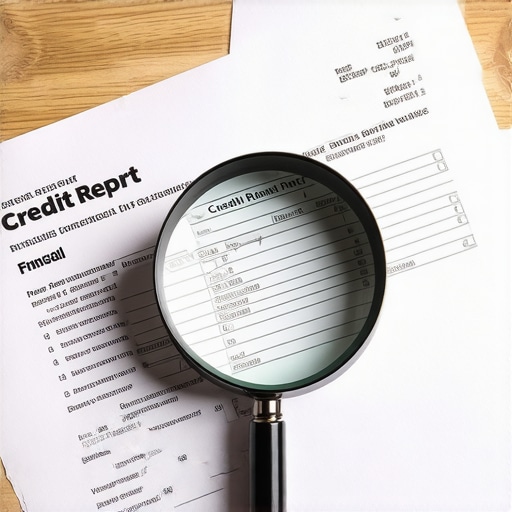
Will My Score Actually Drop if I Pay Off My Car Early?
It sounds counter-intuitive, doesn’t it? You pay off a five-year loan early, expecting a celebratory jump in your score, only to see it plummet 20 points the next month. This happens because that car loan was your primary source of installment credit. Once it is closed, your credit mix is gone. This is exactly why your credit score flatlined despite monthly payments—the algorithm sees a less diverse profile. If you’re planning to apply for a mortgage soon, sometimes it is smarter to keep that low-interest car loan open until the house is closed.
The Myth of the Clean Slate Credit Repair
I’ve seen so many people try to wipe every single late payment or old account from their history. While removing errors is vital, deleting an old account that has a mix of good and bad history can sometimes shorten your length of credit history so significantly that your score drops. Instead of a scorched-earth approach, focus on the method of verification letter every credit repair diyer needs to target only the most damaging, inaccurate items. Have you ever fallen into this trap of trying to be too perfect only to see your score drop? Let me know in the comments.
Why Checking Your Score Once a Year is a Recipe for Disaster
Once I finally reached that elusive 760, I thought I could coast. I was wrong. Credit isn’t a trophy you put on a shelf; it is more like a garden that needs constant weeding. In my experience, the biggest threat to a high score isn’t a sudden bankruptcy, but ‘identity drift’—small errors that creep into your report over time. I personally use a three-pronged approach to keep things running. First, I never rely on the free scores provided by banking apps because they usually use the VantageScore model. Instead, I pay for a service that gives me access to all 28+ versions of my FICO score. You need to know exactly why you should ignore the credit monitoring score you see online if you are serious about a mortgage. Lenders almost never use those free ‘educational’ scores. I also perform the 3-step review for your annual credit report every four months by rotating through the three major bureaus. It is the only way to catch a wrong address or an unauthorized inquiry before it settles in like a stubborn weed.
How do I maintain my credit score over time?
Maintenance is about automation and observation. I have every single one of my ‘anchor cards’—those old cards I’ve had for a decade—set to autopay a small $5 subscription. This keeps the account active so the bank doesn’t close it for inactivity. I’ve seen too many friends lose 15 points because they forgot to use a card for a year. Beyond that, I keep a close eye on smart debt management practices for maintaining financial health by ensuring my total utilization never crosses the 5% threshold across all lines.
The Professional Tools That Actually Save Your Sanity
If you’re managing multiple lines of credit or trying to master credit building with proven strategies, you need a central command center. I don’t just use spreadsheets; I use a specific combination of alerts and ‘ghost’ budgeting. For example, I highly recommend looking into why your local credit union is better for debt consolidation and long-term banking. I moved my main accounts to a credit union because their internal scoring systems are often more forgiving than the big national banks. They offer the best credit union personal loans for bad credit or thin files, which can be a lifesaver if you ever need to pivot your strategy. 
The Scary Truth About How AI Will Judge Your Wallet Next
Looking ahead, the days of just ‘having a high number’ are ending. We are moving toward ‘Trended Data’ models. According to official technical documentation for the FICO® Score 10 T, the algorithm now looks at your trajectory over the last 24 months. It isn’t just about what your balance is today; it’s about whether you are paying down debt or slowly accumulating it month-over-month. This is a massive shift. In the future, ‘gaming’ the system for a single month won’t work anymore. You’ll need to show a consistent downward trend in balances. To stay ahead, you must learn how to read the fine print on your credit card agreement to understand exactly when your data is reported. My best advice? Stop trying to beat the clock and start building a history that looks good even when a machine looks back two years. Try this today: Log into your most-used credit card and set an alert for any transaction over $1. It sounds annoying, but it is the fastest way to catch fraud and stay hyper-aware of your spending habits before they hit your report.
What Lenders Won’t Admit About Your Credit Profile
After years of obsessing over these numbers, I’ve realized that the credit system isn’t looking for people with zero debt; it’s looking for people who can handle debt like a seasoned pro. My biggest ‘lightbulb moment’ was discovering that consistency beats intensity every single time. You don’t need a massive loan to prove your worth—you just need a small, diverse footprint that shows you can juggle different types of financial obligations. I also learned that the algorithm is remarkably slow to forgive but quick to reward those who use credit building hacks with long-term goals in mind. Don’t chase a temporary spike; build a financial foundation that can withstand a few credit inquiries without breaking.
The Toolbelt I Use to Keep My Score Healthy
If you are tired of guessing which way your score will swing, you need better data. I personally rely on a few specific sources to stay ahead of the game. First, I always recommend looking into credit counseling secrets for smarter debt management in 2025 to get a professional’s perspective on your unique situation. For tracking, I prioritize official FICO reports over free apps because accuracy is non-negotiable when you are ready to buy a home or a car. I also suggest using mastering credit building with proven strategies as a roadmap so you aren’t just throwing darts at a board. Finally, never underestimate the power of your local credit union—they often have the most transparent tools for monitoring your growth and offer a human touch that big banks simply cannot match.
Take the Reins of Your Financial Future
You have the knowledge now to stop being a passive participant in your financial life. Whether you are just starting out or trying to how to improve your credit score before buying a home, remember that every small action adds up. This journey isn’t about hitting a perfect 850 overnight; it is about creating a life where your credit score opens doors instead of closing them. You are more than a three-digit number, but mastering that number gives you the freedom to live on your own terms and secure the assets you deserve. Have you ever felt like your credit mix was the specific reason for a loan denial, or are you just starting to diversify your accounts for the first time? Let me know your experience in the comments below!