The Hidden Impact of Joint Bank Accounts on Your Credit History
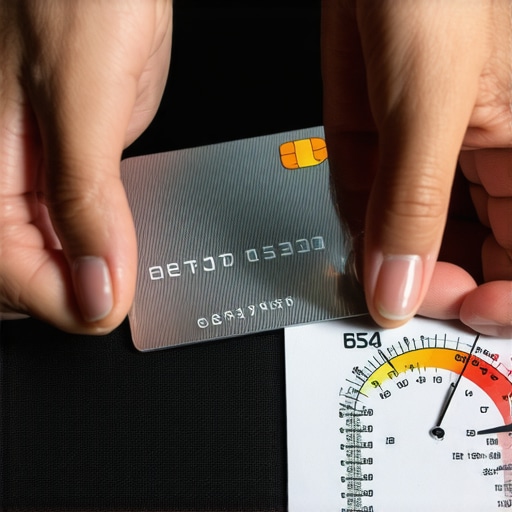
I was sitting at my kitchen table with a cup of lukewarm coffee, staring at a rejection letter for a car loan that should have been a slam dunk. My credit was supposed to be ‘good,’ but suddenly it was ‘fair’ at best. The culprit? A joint bank account I’d opened with my sibling to help them manage their rent. I thought it was a harmless act of kindness, but their $200 accidental overdraft turned into a collections account that hit both of us. It was a brutal wake-up call. If you think your bank account is totally separate from your FICO score, you’re walking on thin ice. Today, I’m going to show you exactly how these joint accounts can sabotage your financial future and, more importantly, how to protect yourself before the damage is done.
Stop Treating Your Joint Account Like a Safe Haven
I made the mistake of thinking that because a checking account doesn’t usually require a hard credit pull, it can’t hurt me. That’s a myth that needs to die. While the account itself doesn’t report monthly ‘on-time payments’ to boost your score—which is why you often need credit building hacks to fast-track your credit score—the negative data travels fast. If your partner or co-owner messes up, you are 100% liable for the fallout. You are essentially tethering your financial reputation to someone else’s impulse control.
Is a bank account actually worth the risk to my credit?
You might be skeptical. You’ve probably heard that ‘banks use ChexSystems, not the credit bureaus.’ While that is generally true for daily transactions, the Consumer Financial Protection Bureau (CFPB) notes that banks can and do sell unpaid negative balances to debt collectors. Once a collection agency gets involved, that simple bank error becomes a full-blown credit report nightmare. Is the convenience of a shared wallet worth a seven-year stain on your history? Probably not.
The Overdraft Link That Bleeds Into Your Credit Report
The real danger isn’t the balance itself; it’s the ‘overdraft protection’ that many of us sign up for without thinking. In many cases, this protection is actually a line of credit. If you’ve ever wondered why co-signing for a relative is a financial risk, a joint bank account is essentially co-signing for their daily spending habits. I learned this the hard way when a ‘shared’ mistake stayed on my report for three years. It’s a lot like the truth about high-yield savings accounts; the fine print matters more than the marketing. Have you ever been blindsided by a dip in your score after a bank mishap? I’d love to hear your story in the comments below. Let’s look at the specific ways your credit report and your bank account are more connected than they appear.
Scrub your bank statements for invisible leaks
Think of your joint bank account like a shared boat. If your co-owner drills a hole in their end, you’re both going to drown. The first thing I did after receiving that rejection letter was a forensic audit of every single transaction from the last six months. I discovered that we weren’t just losing money to the occasional overdraft; we were paying for ‘convenience’ services we didn’t even know existed. When you are finding hidden fees in your monthly bank statement that drain cash, you’re identifying the exact points where your credit might bleed next. I found three recurring ‘protection’ fees that were actually small lines of credit. These are the silent killers because they often report to different agencies than your standard credit card. Every ‘maintenance fee’ that pushes the balance into the negative is a potential collection entry waiting to happen. If you see ‘NSF’ or ‘Non-Sufficient Funds’ repeatedly, your bank is already building a internal case against your creditworthiness.
Kill the overdraft protection trap immediately
Most people think overdraft protection is a safety net provided by the bank out of the goodness of their hearts. In reality, it’s often a high-interest line of credit that banks use to link your checking history directly to the major credit bureaus. If the account goes negative and stays there for more than 30 days, that ‘protection’ turns into a delinquent debt. One of the best credit counseling insights to avoid common pitfalls in debt management is to opt out of these programs entirely. I called my bank and demanded they switch the account to a ‘decline-only’ status. If the money isn’t there, the transaction should fail. It’s better to have a card declined at the grocery store than a collection agency calling you for three years over a twenty-dollar shortfall. 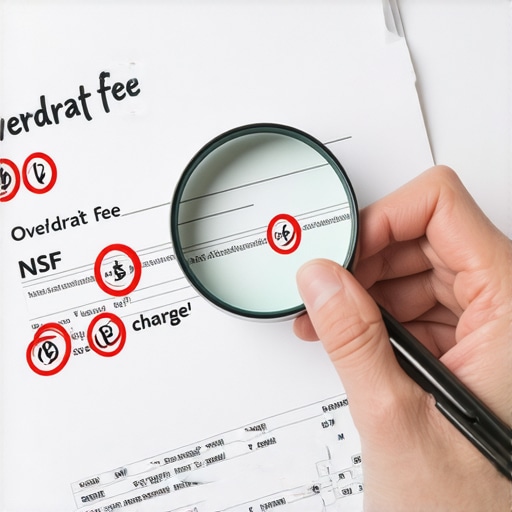
The clean break strategy that saved my FICO
I spent months trying to ‘fix’ my sibling’s spending habits, but it was like trying to bail out the ocean with a teaspoon. Eventually, I realized that as long as our names were on the same paperwork, their financial maturity was my liability. The messiest part was the actual closure process. I had to physically drive to a branch three towns over to meet them because the bank required ‘both parties’ to be present to sign off on a negative balance account. If you’re in this spot, don’t wait for things to get better; they usually get worse. Close the account and open a solo one at a completely different institution to prevent ‘cross-collateralization’ where a bank takes money from your new account to pay the old one. If a debt has already been sold to a third party, you need to know how to verify debt without getting sued before you start negotiating or acknowledging the balance.
Scour your report for association errors
Sometimes the damage isn’t just about the money; it’s about the identity mix-up that happens when you share a financial footprint. Because we shared an account and a last name, the bureaus started merging our files in ways I didn’t expect. I found my sibling’s old apartment debt and an unpaid utility bill on my report. I had to follow the step-by-step way to handle a wrong name on your credit report to untangle our histories. This involved sending certified mail and copies of my social security card to prove we were separate entities. Once you’ve legally separated the accounts, you can start using effective credit repair tips to boost your score today to overwrite that bad data with fresh, positive history. You have to be the gatekeeper of your own financial reputation because the bank certainly won’t do it for you.
Paying a Collection Won’t Instantly Save Your Score
Everyone tells you that the first step to fixing your financial life is to pay off every debt you see. In my experience, that’s one of the most expensive mistakes you can make. While it feels morally right to settle up, paying an old collection doesn’t magically erase the negative history. In fact, under the FICO 8 model—the one most lenders use—a paid collection can be just as damaging as an unpaid one because the ‘occurrence’ remains on your record. This is one of the biggest top credit repair myths busted by experts in 2025. Instead of just throwing money at the problem, you should be looking into how to negotiate a pay-for-delete with a collection agency. Without that agreement, you’re just spending money to have a ‘Paid’ label on a seven-year scar.
Can a debt collector legally restart the clock on an old debt?
The short answer is: only if you let them. This is the ‘Oops’ factor that ruins more credit scores than almost anything else. If you make a partial payment or even verbally acknowledge that a debt is yours, you might accidentally ‘re-age’ the debt, effectively resetting the statute of limitations for a lawsuit. The Federal Trade Commission (FTC) warns that while collectors cannot legally change the date of the original delinquency on your credit report, a ‘restarted’ statute of limitations gives them fresh legal standing to sue you or garnish your wages. Before you speak to anyone, you need to understand what to do when a creditor re-ages your debt to keep it on your report to prevent a decade-old mistake from haunting your current accounts.

The Danger of Poking the Collection Agency Bear
Many beginners think that sending a mass of dispute letters is a foolproof strategy. This ‘shotgun approach’ is exactly why your dispute letter got rejected by the credit bureau in the past. Credit bureaus now use sophisticated AI to flag templated letters as frivolous. If you want results, you need a surgical strike, not a carpet bomb. Furthermore, requesting debt validation on an account that is still within the statute of limitations can sometimes backfire, prompting the agency to file a lawsuit because they now know you are active and reachable. It’s vital to learn how to handle collections without admitting ownership of the debt to maintain your leverage. Have you ever fallen into this trap and seen your score drop after trying to ‘fix’ things? Let me know in the comments below. If you’re feeling overwhelmed, looking for credit counseling insights to unlock your path to better credit is a much safer move than DIY guessing. You can also check out effective credit repair tips to boost your score today to start the cleanup process the right way.
Once the initial fire of a collections notice is put out, most people make the fatal mistake of walking away and assuming the job is done. I certainly did. But credit isn’t a ‘set it and forget it’ asset; it’s more like a high-performance engine that needs constant tuning. If you don’t have a system for keeping it working, you’ll find yourself back in the same hole eighteen months from now. To avoid that, I had to stop relying on those free ‘credit monitoring’ apps that only show you a simplified version of your history. For real results, you need to be reading between the lines of your fico score to understand what lenders actually see.
Ditch the Generic Apps for Precision Tracking
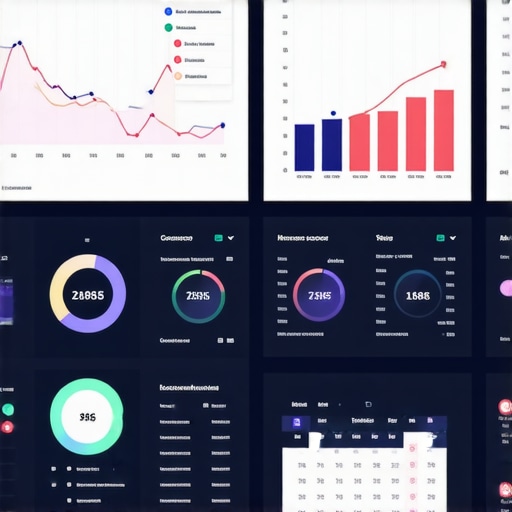
I switched from checking free apps once a week to using a dedicated credit management spreadsheet where I track my ‘Date of First Delinquency’ (DOFD) for every old account. This is the most critical data point according to the Metro 2 Format guidelines established by the Consumer Data Industry Association (CDIA). The CDIA’s technical documentation makes it clear that accurate reporting relies on this specific date to purge old data. By tracking it myself, I can spot exactly when an item should fall off, rather than waiting for the bureau’s algorithm to catch up. I also use smart debt management practices for maintaining financial health by setting calendar alerts for every reporting date—not just payment due dates. Knowing when your balance is reported to the bureaus allows you to manipulate your utilization percentage before the ‘snapshot’ is even taken.
How do I keep my score high without checking it every day?
The secret is automation, but not the kind the bank wants you to use. I use what I call the ‘forced payment’ method. Instead of just setting up one autopay for the minimum, I use why you should pay your credit card twice a month as a baseline strategy. I also implement the 15-15-rule for paying off credit card balances effectively, which ensures my utilization never looks high to the credit bureaus’ automated systems. This creates a buffer that protects you if an unexpected bill hits. If you’re currently rebuilding, following the ultimate credit repair blueprint for 2025 will give you the framework to set these systems on autopilot.
Build a Moat Around Your New Credit Profile
In the near future, I predict that ‘Cash Flow Underwriting’ will become the dominant metric for high-limit credit cards and mortgages. Lenders are already moving toward systems that look at your real-time bank transaction data via APIs like Plaid, rather than just your static FICO score. This means your daily spending habits in your checking account will matter just as much as your credit report. To prepare, I’ve started using effective credit repair tips to boost your score today while simultaneously ‘cleaning’ my bank statements of any non-sufficient funds (NSF) activity. My advice for an advanced move? Log into your primary credit card account right now and schedule a second monthly payment for exactly 15 days before your statement closing date. Just try it for one billing cycle and watch how your score reacts to the lowered utilization. You’ll be surprised how much control you actually have when you stop playing defense and start playing offense.
I was sitting at my kitchen table with a cup of lukewarm coffee, staring at a rejection letter for a car loan that should have been a slam dunk. My credit was supposed to be ‘good,’ but suddenly it was ‘fair’ at best. The culprit? A joint bank account I’d opened with my sibling to help them manage their rent. I thought it was a harmless act of kindness, but their $200 accidental overdraft turned into a collections account that hit both of us. It was a brutal wake-up call. If you think your bank account is totally separate from your FICO score, you’re walking on thin ice. Today, I’m going to show you exactly how these joint accounts can sabotage your financial future and, more importantly, how to protect yourself before the damage is done.
Stop Treating Your Joint Account Like a Safe Haven
I made the mistake of thinking that because a checking account doesn’t usually require a hard credit pull, it can’t hurt me. That’s a myth that needs to die. While the account itself doesn’t report monthly ‘on-time payments’ to boost your score—which is why you often need credit building hacks to fast-track your credit score—the negative data travels fast. If your partner or co-owner messes up, you are 100% liable for the fallout. You are essentially tethering your financial reputation to someone else’s impulse control.
Is a bank account actually worth the risk to my credit?
You might be skeptical. You’ve probably heard that ‘banks use ChexSystems, not the credit bureaus.’ While that is generally true for daily transactions, the Consumer Financial Protection Bureau (CFPB) notes that banks can and do sell unpaid negative balances to debt collectors. Once a collection agency gets involved, that simple bank error becomes a full-blown credit report nightmare. Is the convenience of a shared wallet worth a seven-year stain on your history? Probably not.
The Overdraft Link That Bleeds Into Your Credit Report
The real danger isn’t the balance itself; it’s the ‘overdraft protection’ that many of us sign up for without thinking. In many cases, this protection is actually a line of credit. If you’ve ever wondered why co-signing for a relative is a financial risk, a joint bank account is essentially co-signing for their daily spending habits. I learned this the hard way when a ‘shared’ mistake stayed on my report for three years. It’s a lot like the truth about high-yield savings accounts; the fine print matters more than the marketing. Have you ever been blindsided by a dip in your score after a bank mishap? I’d love to hear your story in the comments below. Let’s look at the specific ways your credit report and your bank account are more connected than they appear.
Scrub your bank statements for invisible leaks
Think of your joint bank account like a shared boat. If your co-owner drills a hole in their end, you’re both going to drown. The first thing I did after receiving that rejection letter was a forensic audit of every single transaction from the last six months. I discovered that we weren’t just losing money to the occasional overdraft; we were paying for ‘convenience’ services we didn’t even know existed. When you are finding hidden fees in your monthly bank statement that drain cash, you’re identifying the exact points where your credit might bleed next. I found three recurring ‘protection’ fees that were actually small lines of credit. These are the silent killers because they often report to different agencies than your standard credit card. Every ‘maintenance fee’ that pushes the balance into the negative is a potential collection entry waiting to happen. If you see ‘NSF’ or ‘Non-Sufficient Funds’ repeatedly, your bank is already building a internal case against your creditworthiness.
Kill the overdraft protection trap immediately
Most people think overdraft protection is a safety net provided by the bank out of the goodness of their hearts. In reality, it’s often a high-interest line of credit that banks use to link your checking history directly to the major credit bureaus. If the account goes negative and stays there for more than 30 days, that ‘protection’ turns into a delinquent debt. One of the best credit counseling insights to avoid common pitfalls in debt management is to opt out of these programs entirely. I called my bank and demanded they switch the account to a ‘decline-only’ status. If the money isn’t there, the transaction should fail. It’s better to have a card declined at the grocery store than a collection agency calling you for three years over a twenty-dollar shortfall.
The clean break strategy that saved my FICO
I spent months trying to ‘fix’ my sibling’s spending habits, but it was like trying to bail out the ocean with a teaspoon. Eventually, I realized that as long as our names were on the same paperwork, their financial maturity was my liability. The messiest part was the actual closure process. I had to physically drive to a branch three towns over to meet them because the bank required ‘both parties’ to be present to sign off on a negative balance account. If you’re in this spot, don’t wait for things to get better; they usually get worse. Close the account and open a solo one at a completely different institution to prevent ‘cross-collateralization’ where a bank takes money from your new account to pay the old one. If a debt has already been sold to a third party, you need to know how to verify debt without getting sued before you start negotiating or acknowledging the balance.
Scour your report for association errors
Sometimes the damage isn’t just about the money; it’s about the identity mix-up that happens when you share a financial footprint. Because we shared an account and a last name, the bureaus started merging our files in ways I didn’t expect. I found my sibling’s old apartment debt and an unpaid utility bill on my report. I had to follow the step-by-step way to handle a wrong name on your credit report to untangle our histories. This involved sending certified mail and copies of my social security card to prove we were separate entities. Once you’ve legally separated the accounts, you can start using effective credit repair tips to boost your score today to overwrite that bad data with fresh, positive history. You have to be the gatekeeper of your own financial reputation because the bank certainly won’t do it for you.
Paying a Collection Won’t Instantly Save Your Score
Everyone tells you that the first step to fixing your financial life is to pay off every debt you see. In my experience, that’s one of the most expensive mistakes you can make. While it feels morally right to settle up, paying an old collection doesn’t magically erase the negative history. In fact, under the FICO 8 model—the one most lenders use—a paid collection can be just as damaging as an unpaid one because the ‘occurrence’ remains on your record. This is one of the biggest top credit repair myths busted by experts in 2025. Instead of just throwing money at the problem, you should be looking into how to negotiate a pay-for-delete with a collection agency. Without that agreement, you’re just spending money to have a ‘Paid’ label on a seven-year scar.
Can a debt collector legally restart the clock on an old debt?
The short answer is: only if you let them. This is the ‘Oops’ factor that ruins more credit scores than almost anything else. If you make a partial payment or even verbally acknowledge that a debt is yours, you might accidentally ‘re-age’ the debt, effectively resetting the statute of limitations for a lawsuit. The Federal Trade Commission (FTC) warns that while collectors cannot legally change the date of the original delinquency on your credit report, a ‘restarted’ statute of limitations gives them fresh legal standing to sue you or garnish your wages. Before you speak to anyone, you need to understand what to do when a creditor re-ages your debt to keep it on your report to prevent a decade-old mistake from haunting your current accounts.
The Danger of Poking the Collection Agency Bear
Many beginners think that sending a mass of dispute letters is a foolproof strategy. This ‘shotgun approach’ is exactly why your dispute letter got rejected by the credit bureau in the past. Credit bureaus now use sophisticated AI to flag templated letters as frivolous. If you want results, you need a surgical strike, not a carpet bomb. Furthermore, requesting debt validation on an account that is still within the statute of limitations can sometimes backfire, prompting the agency to file a lawsuit because they now know you are active and reachable. It’s vital to learn how to handle collections without admitting ownership of the debt to maintain your leverage. Have you ever fallen into this trap and seen your score drop after trying to ‘fix’ things? Let me know in the comments below. If you’re feeling overwhelmed, looking for credit counseling insights to unlock your path to better credit is a much safer move than DIY guessing. You can also check out effective credit repair tips to boost your score today to start the cleanup process the right way.
Once the initial fire of a collections notice is put out, most people make the fatal mistake of walking away and assuming the job is done. I certainly did. But credit isn’t a ‘set it and forget it’ asset; it’s more like a high-performance engine that needs constant tuning. If you don’t have a system for keeping it working, you’ll find yourself back in the same hole eighteen months from now. To avoid that, I had to stop relying on those free ‘credit monitoring’ apps that only show you a simplified version of your history. For real results, you need to be reading between the lines of your fico score to understand what lenders actually see.
Ditch the Generic Apps for Precision Tracking
I switched from checking free apps once a week to using a dedicated credit management spreadsheet where I track my ‘Date of First Delinquency’ (DOFD) for every old account. This is the most critical data point according to the Metro 2 Format guidelines established by the Consumer Data Industry Association (CDIA). The CDIA’s technical documentation makes it clear that accurate reporting relies on this specific date to purge old data. By tracking it myself, I can spot exactly when an item should fall off, rather than waiting for the bureau’s algorithm to catch up. I also use smart debt management practices for maintaining financial health by setting calendar alerts for every reporting date—not just payment due dates. Knowing when your balance is reported to the bureaus allows you to manipulate your utilization percentage before the ‘snapshot’ is even taken.
How do I keep my score high without checking it every day?
The secret is automation, but not the kind the bank wants you to use. I use what I call the ‘forced payment’ method. Instead of just setting up one autopay for the minimum, I use why you should pay your credit card twice a month as a baseline strategy. I also implement the 15-15-rule for paying off credit card balances effectively, which ensures my utilization never looks high to the credit bureaus’ automated systems. This creates a buffer that protects you if an unexpected bill hits. If you’re currently rebuilding, following the ultimate credit repair blueprint for 2025 will give you the framework to set these systems on autopilot.
Build a Moat Around Your New Credit Profile
In the near future, I predict that ‘Cash Flow Underwriting’ will become the dominant metric for high-limit credit cards and mortgages. Lenders are already moving toward systems that look at your real-time bank transaction data via APIs like Plaid, rather than just your static FICO score. This means your daily spending habits in your checking account will matter just as much as your credit report. To prepare, I’ve started using effective credit repair tips to boost your score today while simultaneously ‘cleaning’ my bank statements of any non-sufficient funds (NSF) activity. My advice for an advanced move? Log into your primary credit card account right now and schedule a second monthly payment for exactly 15 days before your statement closing date. Just try it for one billing cycle and watch how your score reacts to the lowered utilization. You’ll be surprised how much control you actually have when you stop playing defense and start playing offense.
Lessons Bought the Hard Way After My Bank Account Fiasco
Reflecting on that initial loan rejection, I realized that financial boundaries are actually a form of protection. First, liability is a one-way street in a joint account; if your partner slips, you both fall. Second, “overdraft protection” is almost always a mechanism to bridge your checking account to your credit file. Finally, the bank is a business first. They will prioritize clearing their ledger over protecting your FICO score. These realizations shifted my entire approach to **debt management** and credit building.
Tools That Actually Help You Stay Ahead of the Banks
If you are ready to stop playing defense against the bureaus, you need a strategy. I highly recommend diving into credit counseling insights to unlock your path to better credit to see where your specific blind spots might be. For a tactical list of actions, use effective credit repair tips to boost your score today. I have also found that moving your main activity to a community focus helps; why your local credit union is better for debt consolidation is a vital lesson because they often treat you as a member rather than a risk score. Lastly, keep a reference like the ultimate credit repair blueprint for 2025 handy to stay ahead of the changing reporting rules.
#IMAGE_PLACEHOLDER_E#
You Deserve a Credit Score That Reflects Your Hard Work
It is exhausting to feel defined by a three-digit number, especially when that number was dragged down by a situation out of your direct control. But your credit report is a living document, not a final verdict. By untangling your accounts and mastering modern **credit repair** techniques, you are reclaiming your financial narrative. The process takes time, but the peace of mind that comes with a high, independent score is worth every phone call and dispute letter. Have you ever had to close a joint account because of someone else’s spending habits? Let me know your story in the comments below!