
How to Rebuild Your Credit After Identity Theft Fast
I remember sitting in that squeaky plastic chair at a local car dealership, smelling that weird mix of new-car scent and stale coffee. I was ready. I had my down payment saved and my heart set on a silver sedan. Then the finance manager walked back into the room with a look that usually precedes a very awkward conversation. ‘Sir,’ he said, checking his clipboard, ‘did you know you have three defaulted credit cards and a high-interest personal loan out of Nevada?’ I had never even been to Nevada. My heart didn’t just drop; it felt like it hit the floor and shattered into a million pieces. Someone had stolen my identity, and my credit score was the first casualty in a war I didn’t even know I was fighting. Have you ever opened your credit monitoring app only to see a massive drop and a debt that isn’t yours? It is a gut-punch that stays with you for weeks.
Stop the Bleeding and Start Winning Again
Most people think that once your identity is compromised, your financial life is essentially over for the next seven years. I certainly did. I spent the first two weeks in a panic, calling every bank and getting nowhere because I was trying to be ‘nice.’ That was my first big mistake. I assumed the banks would naturally want to help me because I was the victim. In reality, you have to be your own loudest advocate. The road to recovery starts with realizing that how to repair your credit after identity theft happens to you is about strategy, not just luck. You need to act fast to freeze your reports and file the necessary affidavits. According to the Federal Trade Commission (FTC), consumers reported losing more than $10 billion to fraud in 2023, a staggering 14% increase over the previous year. This isn’t just a ‘you’ problem; it is a national epidemic. But here is the good news: the law is actually on your side if you know which levers to pull. I eventually learned how to remove fraudulent accounts fast without a lawyer, but it took a lot of trial and error that I want to save you from experiencing.
Does it really take years to fix this mess?
People often ask me if they are doomed to have bad credit forever. The short answer is no. If you follow the ultimate credit repair blueprint for 2025, you can see significant jumps in your score in as little as 30 to 60 days. The key is knowing how to communicate with the credit bureaus in a way they can’t ignore. My early blunder was failing to provide enough documentation, which led to my disputes being labeled as ‘frivolous.’ Once I tightened up my process and started using the right templates, the fraudulent marks started disappearing like magic. We are going to dive into the exact steps to reclaim your financial identity right now.
Slam the Door on Identity Thieves
The absolute first thing you must do—even before you finish your morning coffee—is freeze your credit reports at all three major bureaus. Think of a credit freeze like putting a massive, unbreakable deadbolt on your financial data. When your reports are frozen, lenders cannot pull your file, which means those scammers cannot open another high-interest personal loan or a new credit card in your name. This is the reason you should check your credit report at all three bureaus individually; you cannot just assume one agency has the full story while the others are vulnerable.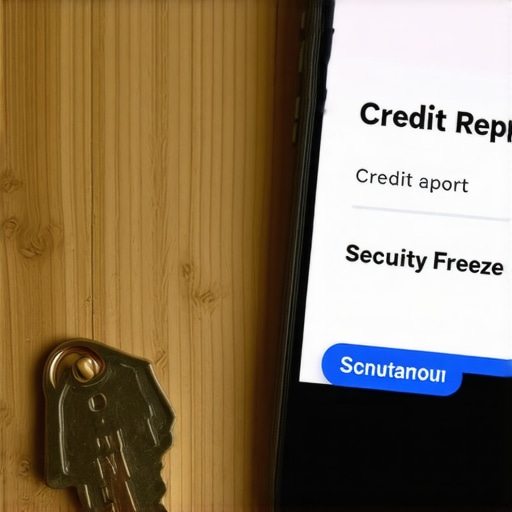
Grab Your Shield with an FTC Affidavit
Once the doors are locked, you need a legal shield to protect your rights. This is where the Identity Theft Report from the Federal Trade Commission (FTC) comes in. Without this document, you are just another person claiming they did not authorize a five-figure spending spree. When I first tried to fix my own credit mess, I just sent a polite letter to the bank. They basically ignored me. It was not until I attached that official FTC affidavit that they started taking me seriously. This document transforms your claim from a simple complaint into a formal legal dispute that mandates a response. Knowing how to remove negative items from your credit report fast depends entirely on having this specific paperwork ready to go before you send your first dispute letter.
Scrub Your Report Without Losing Your Sanity
Now comes the actual cleanup phase. You have to go through every single line of your report like a forensic detective. Look for misspelled names, old addresses you never lived at, or accounts that look familiar but have slightly different balances. If you find court judgments or liens that are not yours, use the script to use when disputing inaccurate public records to ensure you are using the right legal terminology. I remember finding a collection for a utility bill in a city I had not visited in a decade. I sent a certified letter, included my identity theft report, and demanded they delete it. Three weeks later, that stain was gone. It was the first time I felt like I was finally winning.
The Secret to Rebuilding Your Score Fast
While you are waiting for the credit bureaus to process your disputes, you cannot just sit on your hands and wait for a miracle. You need to start planting new, healthy seeds in your credit garden immediately. One of the most effective ways to do this is to learn how to use a credit builder account to save and build score. It is essentially a savings account that reports to the bureaus as a positive loan payment. As you fight to get the fraudulent trash off your report, these new positive marks start to outweigh the old damage. Also, make sure you are looking at the right numbers; why you should ignore the VantageScore and watch your FICO is a lesson I learned the hard way when a lender rejected me even though my free credit app said I was in the ‘green.’Most ‘experts’ will tell you that the quickest way to fix your credit is to pay off every collection item immediately. In my experience, that is a dangerous oversimplification. I call this the ‘Zombie Debt Trap.’ When you pay an old, dormant collection account, you risk refreshing the ‘date of last activity,’ which can sometimes cause your score to dip unexpectedly in older scoring models. Instead of just paying, you need to master how to remove a paid collection from your credit history through a ‘pay-for-delete’ agreement. A report by the Consumer Financial Protection Bureau (CFPB) highlighted that medical debt, in particular, is often riddled with inaccuracies, yet consumers pay it out of fear, which doesn’t always guarantee the score increase they expect. Have you ever fallen into this trap? Let me know in the comments.
Why Does My Score Drop After I Pay Off a Loan?
It feels like a slap in the face: you work hard to clear a balance, and your score rewards you by dropping ten points. This happens because the algorithm values the ‘mix of credit’ and the ‘age of accounts.’ When you close a loan, that active account disappears from your utilization calculation. This is one of the top credit repair myths busted by experts in 2025—the idea that ‘zero debt’ equals a ‘perfect score.’ In reality, lenders want to see that you can manage debt, not that you’ve escaped it entirely. This is also why your balance-to-limit ratio is the most important number you have. If you’re recovering from identity theft, the scammers likely maxed out your cards, which sends your utilization through the roof. Even if you aren’t the one who spent the money, the algorithm treats you like a high-risk borrower until those balances are corrected or removed. 
The Debt Consolidation Illusion
Many people who are overwhelmed by fraudulent debt rush into consolidation loans. They think combining several high-interest debts into one monthly payment is a shortcut to financial health. But be careful; you must understand the hidden costs of debt consolidation loans you must know before signing on the dotted line. Often, these loans come with origination fees or longer terms that end up costing you thousands more in the long run. If you are debating your next move, consider the truth about credit counseling vs debt settlement. Credit counseling is generally viewed more favorably by lenders because it focuses on a manageable repayment plan without necessarily defaulting on the debt.
Avoid the Most Common Recovery Blunders
One of the biggest mistakes I see is people trying to tackle everything at once without a strategy. They fire off generic dispute letters found on the internet and then wonder why the bureaus ignore them. To succeed, you need effective credit repair tips to boost your score today that focus on personalized, fact-based disputes. Learning how to avoid the most common credit repair mistakes, like failing to follow up with a second or third letter, is what separates those who fix their credit in months from those who struggle for years. You have to be persistent, precise, and prepared to fight for your financial reputation.Once you have successfully navigated the minefield of identity theft and cleared away the debris, the real work begins: the long-term maintenance phase. Most people treat credit repair like a diet—they do it until they hit a target and then go right back to the habits that got them into trouble. I treat it like a security system. You do not just install the cameras and never check the feed. To scale your results and reach that elusive top-tier status, you need to transition into smart debt management practices for maintaining financial health that rely on precision rather than guesswork. I personally shifted from using automated apps to a manual tracking system because the truth about credit score monitoring apps and privacy is often less than stellar; many of these ‘free’ tools make their money by selling your data to lenders who then target you with high-interest offers.
Keep Your Progress Locked in for the Long Haul
Instead of relying on a third party, I started using the best way to organize your bills without an app—a simple, encrypted spreadsheet that focuses on statement closing dates rather than just due dates. Why does this matter? Because your balance is reported to the bureaus on the closing date, not the day you pay the bill. If you want to know how to get your credit score to 800 and beyond, you have to ensure your utilization looks low the moment the snapshot is taken. This level of granular control is how I managed to keep my score from fluctuating even when I had to make large, necessary purchases. It is about moving from a defensive posture to an offensive one. 
How do I keep my score from dropping after all this work?
The answer lies in the 5-minute habit that protects your credit score from sudden drops: the weekly audit. Every Sunday morning, I spend exactly five minutes scanning my active accounts for any pending transactions I don’t recognize. This isn’t just about spotting fraud; it is about staying connected to your cash flow. If you are struggling with a tighter budget, implementing credit counseling secrets for smarter debt management in 2025 can provide the structural support you need to prevent old habits from creeping back in. I also recommend setting up ‘push notifications’ for every single transaction over $1.00 on your cards. This creates an immediate feedback loop that keeps you conscious of your spending in real-time.
The Future of AI in Your Wallet
Looking ahead, the landscape of credit is shifting rapidly. I predict that by late 2025, we will see a massive move toward ‘Trended Data’ and real-time reporting. Traditional monthly updates will feel like ancient history. Lenders are already starting to look at the trajectory of your balances over 24 months, not just your current snapshot. This means effective credit repair tips to boost your score today must account for long-term consistency. As John Ulzheimer, a noted credit expert formerly with FICO and Equifax, points out, the sensitivity of your score increases as it gets higher; a single 30-day delinquency can have a much more devastating impact on a 780 score than on a 600 score. To stay ahead, you must be proactive. My advanced tip for you this week: find your ‘Statement Closing Date’ for your primary credit card (it is usually 3-5 days after your due date) and try paying your balance in full 48 hours before that closing date. You will be shocked at how much higher your score can climb when the bureaus see a 1% utilization instead of 30%. Check out the best time of month to pay your bill for a score boost to see the full breakdown of this strategy.
The Toughest Lessons from My Own Financial Restoration
Reflecting on my journey from a shattered credit score to financial stability, I realized that the hardest part wasn’t the paperwork—it was the mental fatigue. One thing no one tells you is that you will likely feel like a suspect for a crime you didn’t commit until you prove otherwise. You have to learn how to repair credit fast: essential tips for better scores that prioritize your sanity over speed. I also discovered that a ‘clean’ report is not the same as a ‘strong’ report. Just because you removed the fraud doesn’t mean your score will jump back to 800 overnight. You must intentionally practice effective credit repair techniques for a fresh financial start by building new, positive history as you dismantle the old lies.
- Patience is a strategic weapon: The bureaus have 30 days to respond, and they often use every single hour of that time. Don’t let their silence discourage your momentum.
- Documentation is your best friend: Keep every envelope, every tracking number, and every screenshot. Digital trails are convenient, but physical paper trails often carry more weight in formal disputes.
- Small wins build the foundation: Celebrate the removal of a single incorrect address just as much as a deleted collection account. It is all part of mastering credit building: proven strategies for a strong financial future.
The Toolbox I Use to Stay Ahead
I don’t just wing it anymore; I use a specific set of resources to ensure I never wake up to another financial surprise. First, I always keep my reports frozen and only ‘thaw’ them for a specific window when I am applying for a loan. Second, I rely on a step-by-step guide to credit building for new borrowers even as an experienced one, because the basics of credit—utilization and on-time payments—never change. If you are looking for a comprehensive roadmap, the ultimate credit repair blueprint for 2025 is a fantastic starting point to ensure you aren’t missing any new regulatory changes that could work in your favor. I also suggest bookmarking smart debt management practices for maintaining financial health to prevent future vulnerabilities.
#IMAGE_PLACEHOLDER_E#
Take the Reins of Your Credit Destiny
Identity theft is a trauma, but it does not have to be a life sentence. You have the legal right to an accurate credit report, and you have the power to enforce that right. Whether you are just starting your cleanup or you are looking for effective credit repair tips to boost your score today, remember that every letter you send and every bill you pay on time is a brick in the fortress of your financial future. Don’t be afraid to start, and certainly don’t be afraid to demand what is rightfully yours: a fair and accurate credit score. Your path to recovery might be a marathon, but the finish line is worth every step. Which part of the credit repair process has been the most frustrating for you so far? Let me know in the comments below.