Why You Should Pay Your Credit Card Twice a Month
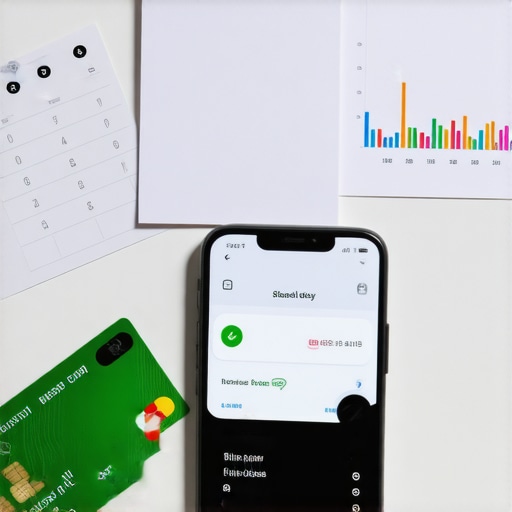
I remember sitting at my kitchen table, nursing a lukewarm coffee, and staring at my phone in absolute disbelief. I had just paid off my entire credit card balance the week before—every single penny. I felt like a financial superhero. But when I refreshed my credit monitoring app, my score hadn’t budged upward; it had actually dropped by twelve points. I felt totally betrayed. I was making my payments on time, so why was the system punishing me? That frustrating morning was my wake-up call to a secret the banks don’t exactly advertise. I realized I was falling for a common trap, a classic case of why your credit score drops after a perfect payment history. Today, I’m sharing the simple shift that changed everything for me. We’re going to talk about why splitting your bill into two monthly payments is the ultimate hack for your score. [IMAGE_PLACEHOLDER]
My Biggest Mistake Was Trusting the Due Date
I’ll be the first to admit it: I used to be a “once-a-month” payer. When I first started looking into effective credit repair techniques for a fresh financial start, I thought as long as I hit that due date, I was golden. I’d charge my groceries, my gas, and my occasional takeout, then wait for the statement to arrive. What I didn’t understand was that by the time I sent my check, the credit card company had already told the bureaus I was using 60% of my limit. Even if I paid it to zero the next day, that 60% was stuck on my credit report for the whole month. This is exactly why your utilization is still high after paying down all your cards—it is a timing error, not a money error.
Is Paying Twice a Month Actually Worth the Extra Effort?
You might be skeptical. Life is busy, and adding another task to your calendar feels like a burden. Is it really worth logging into your portal twice? The short answer is a resounding yes. According to data from FICO, the “Amounts Owed” category—which is almost entirely driven by your utilization ratio—accounts for a massive 30% of your total credit score. If you wait until the due date, you’re letting the bank report a high balance. By paying twice, you’re effectively “shrinking” the debt the credit bureaus actually see. This is the core of the logic behind the 15-15 rule for credit card payments, and it works like a charm.
Stop Letting the Statement Date Tank Your Score
This isn’t about spending less; it’s about when that money leaves your hand. I started making my first payment exactly fifteen days before my statement was set to close. Then, I’d pay whatever was left right before the due date. The first time I tried this, my reported utilization dropped from 45% to just 4%. My score shot up almost overnight. Have you ever felt like you’re doing everything right, but your score just won’t budge? You aren’t alone, and it’s usually not your fault—it’s the calendar’s fault. Let’s get into the nitty-gritty of how to set this up so you never have to worry about a surprise score drop again.To make this work, you have to stop looking at the ‘Due Date’ on your statement as the only deadline that matters. Think of your credit card company like a nosy neighbor who takes a snapshot of your house once a month to report to the neighborhood association. If they take that photo while your lawn is overgrown, it doesn’t matter if you mow it the next morning; the report is already filed. In the world of credit, that snapshot happens on your Statement Closing Date.
Pinpoint Your Statement Closing Date Before Doing Anything Else
Before you can execute the 15-15 rule, you need to dig into your online portal or a paper statement to find your closing date. This is typically about 20 to 25 days before your actual due date. This date is the most critical piece of data when reading between the lines of your fico score. I learned this the hard way back in 2021. I had a $2,000 limit and had spent $1,800 on a new laptop. I had the cash to pay it off, but I waited until the day before the due date. Little did I know, the bank had already reported that $1,800 balance five days earlier. Even though I paid it in full, the bureaus saw 90% utilization. That’s a classic example of why your credit score flatlined despite monthly payments.
Launch Your First Payment 15 Days Out
Once you have that closing date, mark your calendar for exactly 15 days before it. This is your first strike. You want to pay off about half of whatever balance you’ve accumulated so far. By doing this, you are effectively pre-cleaning your credit report. It’s like washing the dishes as you cook instead of letting them pile up until the end of the night. This is one of the most effective credit repair tips to boost your score today because it ensures that when the closing date arrives, the bank sees a much smaller number.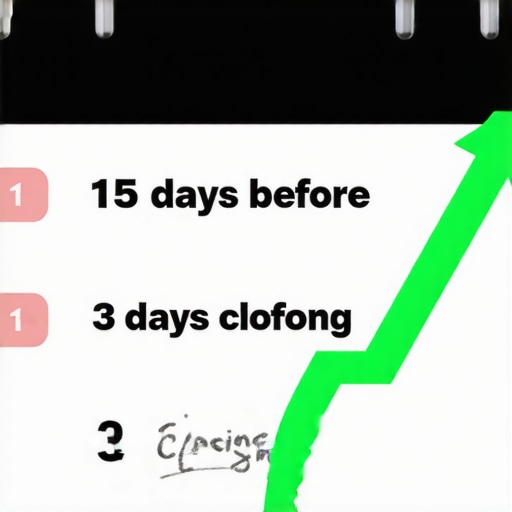
Wipe Out the Remaining Balance Before Interest Kicks In
The second part of the strategy happens three days before your statement closing date. You pay the remaining balance in full. Why three days? Because banks often take a day or two to process the transaction. You want that balance to be as close to zero as possible—but not necessarily zero. Some experts suggest leaving a tiny $5 balance to show the card is ‘active,’ but for most people, aiming for zero is the safest bet to avoid interest. This specific timing is the best time of month to pay your balance for a score boost. By the time your nosy neighbor (the bank) takes their monthly snapshot, your reported utilization is practically invisible. This is the heavy lifting required for the 15-15 rule for paying off credit card balances effectively. Using this method, you aren’t just managing money; you are managing the perception of your financial health, which is the cornerstone of mastering debt management proven strategies for financial freedom.
While mastering the 15-15 rule puts you ahead of 90% of borrowers, the truly ‘elite’ credit profiles are built by understanding the nuances that even some professionals miss. Most people think credit repair is like a magic eraser—you just dispute every negative mark and hope something sticks. In my experience, that is the fastest way to get your file flagged as ‘frivolous’ by the bureaus. This is one of the top credit repair myths busted by experts in 2025: more disputes do not equal more removals. In fact, blanket disputes often hide the real errors that are actually tanking your score.
The Dispute-Everything Strategy Usually Backfires
I’ve seen dozens of people send out generic templates they found online, only to find that why your dispute letter got rejected by the credit bureau was because it lacked ‘material evidence.’ The bureaus use sophisticated AI scanners; if your letter looks like a thousand others, it gets tossed. Instead of the shotgun approach, I recommend a sniper approach. Focus on the ‘Method of Verification.’ Under the Fair Credit Reporting Act, you have the right to know how they verified the debt, not just that they did. This nuance is central to effective credit repair techniques for a fresh financial start.
Why Does a High Credit Score Still End in a Loan Denial?
This is the question that keeps people up at night. You’ve done the work, your score is 740, and the bank still says no. The hidden culprit is usually your Debt-to-Income (DTI) ratio. According to the Consumer Financial Protection Bureau (CFPB), while your credit score measures your reliability, your DTI measures your capacity. You can have a perfect score, but if your monthly obligations are too high, you’re still a risk. Understanding why your debt-to-income ratio matters more than your score for mortgages is the difference between a ‘yes’ and a ‘maybe’ in the eyes of a loan officer.
The Massive Risk in Using One-Click Dispute Buttons
Here is the ‘oops’ factor that almost nobody tells you about: those convenient ‘Dispute’ buttons inside your credit monitoring apps are often a trap. When you click that button, you frequently waive your right to a manual reinvestigation and your right to sue the bureau if they fail to fix a legitimate error. It is a convenience fee paid with your consumer rights. If you want real results, skip the app and send a physical, certified letter. This is a critical lesson in credit counseling insights avoid common pitfalls in debt management. 
Don’t Settle for Just ‘Good Enough’
If you’re finding that your progress has stalled, it might be time to stop the DIY approach and look at the fine print. Sometimes, when to call a professional instead of diy credit repair is the most strategic move you can make, especially if you’re dealing with re-aged debts or complex legal errors. Have you ever fallen into the ‘easy dispute’ trap? Let me know in the comments below.
Continuing from those easy-dispute traps, the real secret to staying in the high 700s isn’t just a one-time fix; it’s about having the right dashboard. While most people rely on the flashy dials of a free app, I’ve found that they often lag behind the real data. This is why I personally use a simple ‘Credit Shadow’ spreadsheet. By manually logging my statement closing dates and reported balances once a month, I can see trends before they become problems. This level of smart debt management practices for maintaining financial health keeps me from being surprised by a sudden dip. I also recommend looking beyond the ‘Big Three’ bureaus. According to the Consumer Financial Protection Bureau (CFPB) in their ‘List of Consumer Reporting Companies,’ there are dozens of specialized bureaus like LexisNexis and ChexSystems that could be holding onto data you don’t even know exists. Cleaning those up is part of the ultimate credit repair blueprint for 2025. 
Your Credit Dashboard Needs More Than Just an App
To stay ahead, you need to be proactive. Every quarter, I perform what I call a ‘deep scan.’ I look for the small things, like an old address that’s still listed as ‘current’ or a misspelling of my employer’s name. These small inconsistencies can sometimes cause identity verification issues when you apply for a high-limit card. This is why the 3-step review for your annual credit report is a non-negotiable part of my routine.
How do I maintain my credit score over time?
The key is automation paired with a human audit. I set my ‘minimum’ payments to autopay so I never miss a due date, but I manually execute my 15-15 rule payments to ensure my utilization stays low. This hybrid approach is the foundation of mastering credit building proven strategies for a strong financial future. Looking forward, the industry is moving toward ‘trended data’ with models like FICO 10T and VantageScore 4.0. This means the bureaus won’t just look at what you owe today, but whether your balances are growing or shrinking over the last 24 months. If you start building credit from scratch a step-by-step guide now using these methods, you’ll be perfectly positioned for these more rigorous scoring models. My challenge to you: don’t just check your score today. Go to the LexisNexis website and request your consumer disclosure report. It’s the ultimate ‘sniper’ move to see what the banks see before you ever apply for another loan.
The Truth About Why My Progress Stalled for Months
When I first started, I thought a high credit score was a destination I’d reach and then finally relax. I was wrong. The hardest lesson I learned is that credit is dynamic; it’s a living, breathing reflection of your daily habits. One of the top credit repair myths busted by experts in 2025 is that you can just ‘set it and forget it.’ I also realized that while I was busy disputing old errors, I was initially ignoring smart debt management practices for maintaining financial health, which meant I was just running in place. Finally, I stopped chasing a perfect 850. A 760 usually gets you the same interest rates as an 850, and stressing over those last few points is often a waste of your mental energy.
My Personal Roadmap for Keeping Your Data Clean
To keep my finances on track, I rely on a few core resources. First, I never skip the 3-step review for your annual credit report because catching a mistake early is ten times easier than fixing it a year later. I also swear by the ultimate credit repair blueprint for 2025 for staying ahead of the automated scanners the bureaus use. If you’re struggling with high balances, I highly suggest looking into debt management tips to navigate financial challenges successfully. These aren’t just links; they are the exact methods I used to go from a stressed-out borrower to someone who actually understands the rules of the game. [IMAGE_PLACEHOLDER]
Your Financial Freedom is Worth the Extra Effort
It might feel overwhelming to log into your accounts twice a month or to write physical letters to a bureau, but remember why you started this journey. You aren’t just fixing numbers; you are buying back your future. Whether you are building credit from scratch a step-by-step guide or recovering from a rough financial patch, the 15-15 rule is your secret weapon. You have the tools and the strategy now—all that’s left is to take that first step toward stability. I believe in your ability to master credit building hacks and take control of your financial narrative once and for all. Have you ever tried splitting your monthly payments before, or has the ‘statement closing date’ always been a total mystery to you? Let me know in the comments below!