The Best Time of Month to Pay Your Balance for a Score Boost
I remember sitting at my kitchen table three years ago, staring at a credit score that refused to budge. I was doing everything by the book—or so I thought. I paid my bills on time, every single month, usually right on the due date. I felt like a financial rockstar until I realized my score was actually dipping after I went on a weekend shopping spree, even though I paid the whole balance off a week later. It felt like the system was rigged. I was caught in a loop where my hard work wasn’t showing up on paper. That is when I discovered the difference between a due date and a statement closing date. This one realization changed my entire approach to mastering credit building and finally gave me the score I deserved. Today, I want to show you exactly how to time your payments so the credit bureaus see your best self, not your mid-month spending spree.
The Day Your Bank Reports to the Bureaus Matters More Than the Due Date
Most people think that as long as they pay by the due date, they are golden. That was my biggest mistake. Your bank usually reports your balance to the bureaus on your statement closing date, which is often three weeks before your payment is actually due. If you have a $2,000 balance on a $5,000 limit when that statement closes, the credit bureau sees 40% utilization, even if you pay it to zero the next day. This is exactly why your utilization is still high after paying down all your cards in your own mind, but not in the eyes of FICO. To fix this, you need to pay the bulk of your balance before the statement closing date. I started using the 15-15 rule for paying off credit card balances effectively, which involves making two payments a month. This ensures that when the bank ‘snaps a photo’ of your debt to send to the bureaus, the balance looks tiny. According to the Consumer Financial Protection Bureau, credit utilization is a massive factor in your score, and yet the timing of that reporting is something most banks don’t go out of their way to explain to you. Have you ever noticed your score drop right after you made a big purchase, even though you hadn’t missed a payment?
Does This Strategy Actually Work for Everyone?
You might be skeptical. It sounds like a lot of moving parts just to move a number a few points. But for anyone trying to figure out why your credit score flatlined despite monthly payments, this is the missing gear in the machine. It is not about spending less; it is about showing the bureaus that you use credit responsibly. Once I understood the logic behind the 15-15 rule for credit card payments, my score jumped 30 points in a single billing cycle. It felt like I had found a cheat code, but it was just basic math and better timing.
Locate Your Statement Closing Date Without the Guesswork
To start, you have to find the ‘snapshot’ date. This isn’t the day your payment is due; it’s the day the billing cycle ends and the bank sends your data to the bureaus. I used to look at my banking app and see ‘Due on the 15th,’ but when I finally learned how to read the fine print on your credit card agreement, I realized my statement actually closed on the 22nd of the previous month. Most people focus on the finish line, which is the due date, but the credit bureaus are actually taking a photo of your performance mid-race.
Download the PDF Instead of Trusting the App
Most banking apps hide the statement closing date deep in the sub-menus. The easiest way to find it is to download your last two PDF statements. Look for the ‘Statement Period’ or ‘Billing Cycle’ dates. If it says ‘Jan 22 – Feb 21,’ then February 21st is your reporting date. Think of this like a school report card. It doesn’t matter if you aced the final exam if your teacher already sent the grades to the principal three weeks early. You want your balance to be at its absolute lowest point on that specific closing day. 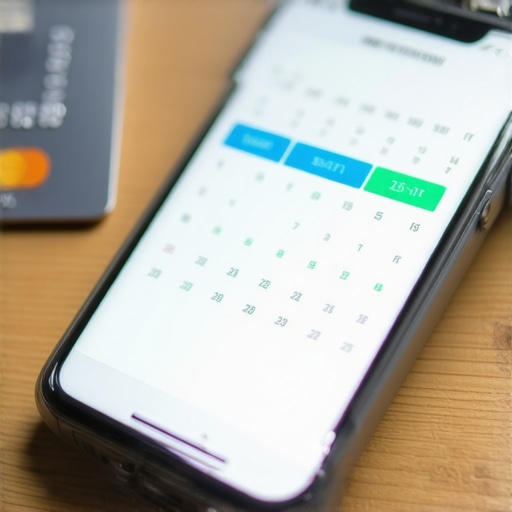
Coordinate Your Cash Flow for the 15-15 Strategy
This is where the execution becomes second nature. To implement effective credit repair tips to boost your score today, you split your monthly payment into two parts.
The First Payment Should Land Two Weeks Early
Fifteen days before your statement closing date, pay off half of whatever you owe. I remember trying this with my old rewards card when I was deep in the hole. I had a $1,200 balance and paid $600 on the 7th of the month. By doing this, I stopped the interest from compounding on that higher amount and immediately lowered the internal utilization number the bank keeps track of. It’s part of the core mastering debt management proven strategies for financial freedom that experts use to stay ahead of the game without needing a huge windfall of cash.
Finalize the Balance Three Days Before the Snap
The second payment happens three days before the statement closing date. You want to pay off the remaining balance, but here is a pro-tip: leave about $10 to $20. If you report a $0 balance, some scoring models actually penalize you because it looks like the card is inactive. By leaving a tiny amount, you show active, responsible usage. This is the logic behind the 15-15 rule for credit card payments that confuses beginners—they think $0 is best, but a tiny 1% utilization often scores higher than zero. I remember one month where I thought I had the timing down perfectly. I made my big payment on the 10th, and planned my final sweep for the 22nd. But a $450 car repair hit on the 20th. Because I was already in the habit of checking my statement closing date, I didn’t panic. I just adjusted that second payment to cover the emergency expense too. Had I waited until the ‘due date’ three weeks later, that $450 would have been reported as high utilization. This level of control is essential when the 15-15 rule for paying off credit card balances effectively becomes your primary tool. If you are serious about trying to stop paying interest on your interest the simple math of debt, this two-step dance ensures you never carry a balance into the next month while keeping your reported utilization near perfect.
Let’s dig deeper into why simply paying things off isn’t the silver bullet everyone claims it is. One of the biggest mistakes I see—and one I almost made myself—is the rush toward debt consolidation loans. We’re told these are the ultimate tools for effective credit repair techniques for a fresh financial start, but the reality is often different. In my experience, why debt consolidation is often just moving your problems around is that it treats the symptom, not the behavior. If you don’t address the underlying cash flow issues, you just end up with a new installment loan alongside your existing credit card balances. According to reports from the Consumer Financial Protection Bureau (CFPB), many consumers who use consolidation loans see their overall debt levels return to previous highs within two years because the original credit lines remain open and tempting.
The Hidden Danger of the One-Click Dispute
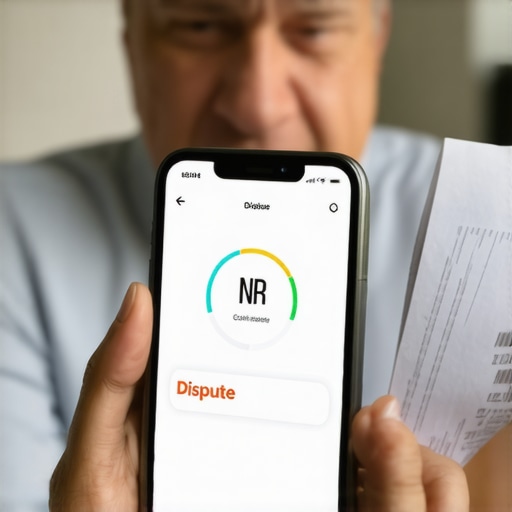
If you’ve ever opened a credit monitoring app and seen that shiny ‘Dispute’ button next to an error, step away from the screen. This is a massive ‘oops’ factor that can set your progress back months. I know it looks convenient, but why you should never use the easy dispute button on credit apps is because it often waives your right to a comprehensive manual investigation under the Fair Credit Reporting Act. These apps use automated systems that prioritize speed over accuracy, often resulting in a ‘verified’ status that is harder to challenge later. This is one of the many top credit repair myths busted by experts in 2025: the idea that convenience and effectiveness are the same thing. To get real results, you need a paper trail and specific legal language.
Why Did My Score Drop After a Year of Perfect Payments?
It feels like a betrayal when you do everything right and your score still dips. This often happens because the algorithm isn’t looking for ‘zero debt’; it is looking for ‘predictable stability.’ I’ve researched why your credit score drops after a perfect payment history and it usually boils down to factors like a decrease in your average account age or a change in your credit mix. It is why I always tell people that smart credit counseling how to rebuild your financial life involves understanding the complex nuances of FICO weightings, not just checking boxes on a list.
Don’t Let Collectors Reset Your Clock
Another advanced trap involves ‘zombie debt.’ This is debt that is so old it should have legally fallen off your report. However, collectors are notorious for using 5 dirty tactics debt collectors use to restart the clock. If you make even a five-dollar ‘good faith’ payment, you might legally restart the statute of limitations, allowing them to sue you for a bill from a decade ago. This is why you must learn how to handle a zombie debt collector calling about a 10 year old bill before you even pick up the phone. Knowledge is your only shield against these predatory practices. Have you ever fallen into this trap where you thought a small payment would help, only to have it backfire? Let me know in the comments.
Once you’ve successfully swatted away the zombie debt collectors and mastered the 15-15 rule, the real challenge begins: not sliding back into old habits. I see so many people treat credit repair like a crash diet. They work hard for three months, see the needle move, and then stop paying attention. That is a recipe for a flatline. To avoid that, I shifted my focus toward smart debt management practices for maintaining financial health that don’t require me to live in my banking apps 24/7. It is about building a system that runs on autopilot so you can focus on actually living your life.
Stop Guessing and Start Automating Your Progress
I ditched the fancy, colorful monitoring apps a year ago. Why? Because I realized the truth about credit score monitoring apps and privacy is that they often care more about selling you high-interest loans than they do about your score. Instead, I moved to a simple, custom-built spreadsheet paired with monthly downloads from official sources. You need to know how to get your credit report for free without hidden fees directly from the bureaus, not through a third-party middleman that wants your data. By looking at the raw data once a month, I caught an error on page three that would have cost me 40 points if I had waited for an app to alert me. I also set up a ‘buffer’ account—a high-yield savings account where I keep exactly one month of total credit card limits. This ensures that even if a major emergency hits, I have the liquidity to pay the statement before it reports, protecting my utilization at all costs.
How do I maintain a high score year after year?
Consistency is the only real secret. I use a strategy I call ‘the subscription sweep.’ If I have an old card that I’m worried about closing—because why closing your oldest credit card is usually a mistake is well-documented in terms of account age—I put a single, small $5 subscription on it and set it to auto-pay. This keeps the account active and helps your credit mix. In fact, how a 5 dollar subscription can fix your credit mix instantly is one of the most underrated ways to keep your score buoyant without actually spending more money. I also perform a quarterly ‘interest audit.’ I spend exactly five minutes calling my banks to ask for rate reductions. If you haven’t tried this, the 5-minute call that slashes your credit card APR instantly is the most profitable five minutes you will spend all year.

Why Trended Data is Changing the Way We Build Credit
If you think the current system is tough, wait until you see where it’s headed. We are moving away from ‘snapshots’ and toward ‘trended data.’ According to FICO’s technical documentation regarding the FICO Score 10T, the algorithm now looks at your payment behavior over the last 24 months, not just your current balance. This means the ultimate credit repair blueprint for 2025 must focus on long-term stability. You can’t just ‘fix’ your utilization for one month to get a mortgage; the bank will see if you’ve been carrying high balances for the last two years. This shift makes mastering debt management proven strategies for financial freedom more important than ever because your past behavior is becoming just as visible as your present status. To stay ahead, you need to be proactive. My best advice? Take action today by making that one phone call to lower your APR. It’s a small move that signals to the bank—and the algorithms—that you are an active, savvy manager of your own debt.
The Reality Check Most Banks Won’t Give You
After years of obsessing over numbers, the biggest shift wasn’t in my wallet; it was in my mindset. I stopped looking at my credit card as a ‘spending tool’ and started viewing it as a ‘data reporter.’ When I first tried the 15-15 rule for paying off credit card balances effectively, I realized that the system isn’t actually trying to hide things—it’s just that most consumers play by the wrong rulebook. I learned that showing 1% usage is often viewed more favorably by the algorithm than a $0 balance, a nuance that felt like a hidden trap until I saw it as an opportunity for growth. I also discovered that credit building hacks fast track your credit score only when they are backed by the boring, daily consistency of checking your reporting dates and adhering to a strict schedule.
Tools That Actually Move the Needle
You don’t need expensive software or high-fee subscription services to win this game. My most trusted resource remains the official channel: learning how to get your credit report for free without hidden fees from the federally authorized website is the only way to see exactly what the lenders see. I also swear by a simple, manual budget because the best way to track monthly expenses without stress is the one you actually update every week. Finally, I recommend keeping the Consumer Financial Protection Bureau (CFPB) resources bookmarked; they provide the legal backing you need to understand why you should never use the easy dispute button on credit apps when you find an error that requires a serious paper trail.
Your New Chapter Starts With One Tiny Step
Rebuilding your financial life doesn’t happen during a single weekend of planning; it happens in the five minutes you spend calling a bank or the moment you decide to pay a portion of your bill early. You have the tools now, and you have the strategy. By mastering credit building through these specific timing techniques, you are taking back control of your financial story. It’s okay if you’ve made mistakes in the past—most of us have been there. What matters is that you stop guessing and start acting on the data. Have you ever been surprised by a sudden dip in your score after paying off a big balance? Let me know in the comments below!