
Choosing the Right Secured Card for a Fast Deposit Return
I’ll never forget the rainy Tuesday I sat in a bank lobby, clutching five $100 bills like they were the last lifeboats on the Titanic. I was trying to start building credit from scratch after a series of financial disasters, and the teller told me a secured card was my only hope. I handed over that cash, feeling a pit in my stomach. Was I ever going to see that money again? The biggest mistake I made back then wasn’t getting the card; it was choosing one from a “fee-harvester” bank that charged me $75 just to open the account. By the time I wanted my deposit back, I’d paid more in fees than the card was even worth. If you’ve ever felt like the system is rigged against people trying to do the right thing, I’m here to tell you that it doesn’t have to be that way. Today, I’m going to show you how to pick a card that treats your deposit like a temporary security, not a permanent donation.
Get Your Money Back Without the Long Wait
Most people think all secured cards are the same, but the “graduation” policies vary wildly. Some banks will hold your cash hostage for years, while others are increasingly moving toward automated reviews to transition users to unsecured lines in as little as six to seven months according to data from the Consumer Financial Protection Bureau. When you are building a 700 score from scratch, every dollar of liquidity matters. You need to look for “pathway” cards—ones that have a clear, documented timeline for when they review your account for an upgrade. If you don’t see a mention of “graduation” or “deposit return” in the fine print, run the other way. I’ve seen friends get stuck with “dead-end” cards where the only way to get their money back was to close the account, which ironically can hurt your score. If you’ve ever had a denied credit card application because of your past, a secured card is your ticket back in, but only if you play it smart.
Is a secured card really just a paid loan to yourself?
I get this question all the time from neighbors who are skeptical about the whole process. It feels a bit silly, doesn’t it? You give them $200, and they “lend” you $200. But here’s the reality: you aren’t paying for the money; you’re paying for the reporting. When that bank sends a positive update to the bureaus, you’re buying a better financial future. However, if your credit score flatlined, it might be because you chose a card that doesn’t report to all three major bureaus. That’s a trap I want you to avoid. Have you ever felt like you were just throwing money into a black hole with these cards? Reach out and let me know, because I want to make sure you’re not the next victim of a card that offers no exit strategy.I remember the first time I got my hands on a secured card with a tiny $300 limit. I thought I was being a model borrower by using it for everything—groceries, gas, even a new pair of shoes—and paying it off in full every month. I was shocked when my score dropped 40 points. I didn’t realize that the credit bureaus saw a $290 balance on a $300 card as a financial emergency, not a responsible habit. I was ‘maxed out’ in their eyes. This taught me that building credit isn’t about spending power; it’s about strategic restraint. To avoid my mistake, you need to treat your secured card like a surgical tool rather than a shopping pass.
Avoid the Hidden Traps in the Fine Print
Before you send that deposit, you must how to read the fine print on your credit card agreement to ensure you aren’t being drained by ‘maintenance fees.’ I have seen cards that charge $8 a month just for the privilege of holding your own money. It’s like a bucket with a slow leak; by the time you’re ready to graduate to a better card, your deposit has been whittled away to nothing. If you find yourself confused by the dense legal jargon, seeking credit counseling insights can help you distinguish between a legitimate pathway card and a predatory fee-harvester.
Don’t Let Your Limit Become a Spending Ceiling
The most important rule in this phase is the 10% utilization rule. If your limit is $200, your balance should never exceed $20 when the statement closes. This is a core part of effective credit repair tips that many beginners miss. Use the card for one small, recurring subscription—like a $12 streaming service—and then put the card in a drawer. This shows activity without risking a high-utilization penalty. 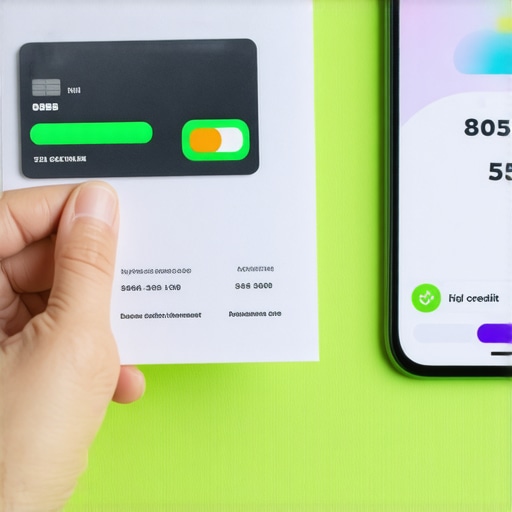
Master the 15/15 Payment Strategy
One of the most powerful credit building hacks is the 15/15 rule. Here is the play: you make one partial payment 15 days before your statement closing date and another payment three days before that same date. This double-tap approach ensures that the balance reported to the bureaus is as close to zero as possible, which is the fastest way to see a jump in your numbers. Understanding the best time of month to pay your balance is often more important than the amount you actually pay.
Watch Your Statement Date Like a Hawk
Most people confuse their ‘due date’ with their ‘statement date.’ Your due date is simply the deadline to avoid a late fee, but your statement date is the day the bank ‘snaps a photo’ of your debt and sends it to the credit bureaus. If you have a high balance on the statement date, it doesn’t matter if you pay it off in full the next day; the damage to your score is already done for that month. If you are currently struggling with existing high-interest debt while trying to build new credit, mastering debt management is essential to keep your cash flow steady so you never miss these critical windows. I once missed a statement date by 48 hours and saw my score flatline for two months—don’t let a simple calendar error derail your progress.
The Counterintuitive Truth About Zero Balances
Everyone tells you to pay your cards down to zero, but here is the nuance most gurus miss: the All Zero penalty. If every single revolving account reports a $0 balance at the same time, the FICO algorithm might actually dock you points because it looks like you aren’t using credit at all. It is a frustrating paradox. To avoid this, keep one card reporting a tiny balance—think 1% of your limit—while the others stay at zero. This is one of the top credit repair myths busted by experts in 2025. You want to show activity, not a total vacuum of data. Have you ever fallen into this trap? Let me know in the comments.
Why does my score dip after paying off a major loan?
I have seen clients celebrate paying off a five-year auto loan, only to watch their score tank ten points the next week. It feels like a slap in the face. But from a lender’s perspective, you just closed an active, aging account. This changes your credit mix, which FICO states makes up 10% of your total score. According to a study by the National Foundation for Credit Counseling, maintaining a diverse portfolio of both installment loans and revolving credit is the hallmark of a high-achiever. If you find yourself in this spot, credit counseling insights avoid common pitfalls in debt management can help you decide if opening a small, low-risk account is the right move to stabilize that mix.#IMAGE_PLACE_HOLDER_C#
Don’t Fall for the Pay for Delete Illusion
One of the most dangerous advanced moves people attempt is the unverified pay-for-delete agreement. You call a collector, they promise to wipe the entry if you pay, and then… nothing happens. Or worse, the payment restarts the statute of limitations on an old debt. You must understand the hidden dangers of pay for delete agreements you should know before sending a single dime. Real effective credit repair techniques for a fresh financial start involve getting everything in writing on company letterhead first. If it’s not on paper, it didn’t happen.
Stop Trusting the Free Scores You See Online
Another common mistake is obsessing over the VantageScore you see on most free apps. Most mortgage lenders and car dealerships don’t use that version; they use specific FICO models. This is why you should often why you should ignore the credit monitoring score you see online when preparing for a big purchase. They are great for directional progress, but they can be off by 40 to 50 points compared to the mortgage-ready scores. If you are serious about mastering credit building, you need to look at the actual FICO reports, especially if you are trying to navigate debt management secrets. Have you noticed a huge gap between your app’s score and what a lender told you? It is more common than you think.Once you stop checking your score every hour and start focusing on the systems behind it, the real magic happens. I’ve spent the last decade testing every app under the sun, but I always come back to a manual audit once a quarter. Why? Because algorithms don’t catch the ‘ghost errors’ that creep in when banks merge or update their legacy software. If you really want to dive into the ultimate credit repair blueprint for 2025, you need to be your own private investigator. I personally use a simple encrypted spreadsheet to track my statement closing dates, which are often different from my due dates. This allows me to predict my utilization before the bureaus even see it.
The Digital Toolkit That Keeps My Score on Autopilot
I’m often asked why I don’t just rely on ‘set it and forget it’ autopay. The truth is, autopay is a safety net, not a strategy. For those who are how to repair credit fast essential tips for better scores, I recommend a tiered approach. Use your bank’s alerts to notify you when a balance exceeds 5% of your limit. This is more effective than any paid monitoring service because it’s proactive. Also, consider how a how a 5 dollar subscription can fix your credit mix instantly by providing consistent, low-stakes reporting. These tools aren’t just about convenience; they are about creating a paper trail that proves your reliability. 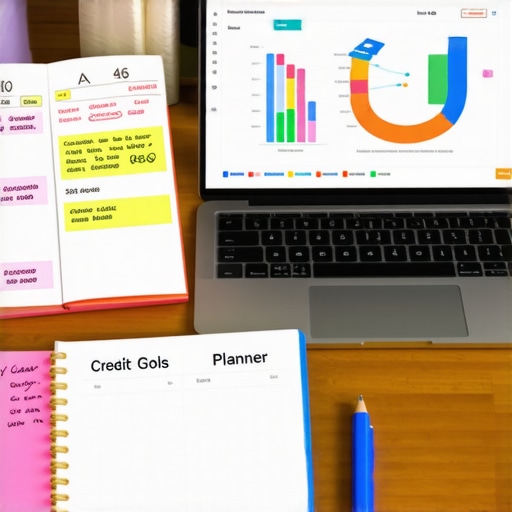
How do I maintain a high credit score over the long haul?
Maintenance isn’t about doing more; it’s about doing the right things consistently. I treat my credit report like a garden—I weed out the inaccuracies and water the aging accounts. You need to practice smart debt management practices for maintaining financial health by never letting your accounts go dormant. I have one ‘zombie card’ that I only use for a pack of gum once every six months just to keep the line active and the average age of accounts high. According to the Fair Isaac Corporation (FICO) technical specifications for the FICO Score 10 Suite, the industry is shifting toward ‘trended data,’ which looks at your payment trajectory over 24 months rather than just a single month’s snapshot. This means your long-term habits are finally becoming more important than a one-time score boost.
Where the Credit Game is Heading in 2026
We are moving toward a world of ‘Open Banking.’ Soon, your utility bills, rent, and even your savings habits will be just as important as your credit card bill. This is why I tell people to stop looking for shortcuts and start looking for credit counseling secrets for smarter debt management in 2025. The trend is clear: lenders want to see the whole human, not just a three-digit number. If you can prove you handle cash well, the score will eventually follow. My challenge to you: Go into your banking app right now and set a ‘balance alert’ for $50 on your primary card. It is the single simplest move to prevent a high-utilization reporting error from tanking your hard work.
The Mistakes That Cost Me Years of Financial Progress
I didn’t realize until much later that credit isn’t a one-time fix; it is a lifestyle. The biggest lightbulb moment for me was realizing that the bank isn’t my partner; they are a service provider. If you don’t manage them, they will manage your wallet. I once thought that having a high limit meant I was ‘rich,’ but I learned that a high limit is actually just a test of character. Another hard lesson was trusting the ‘simulators’ on free apps. They often told me my score would jump 50 points if I paid a debt, only for it to move five. This is why I always tell people to follow the ultimate credit repair blueprint for 2025 rather than relying on automated guesses. Finally, I learned that ‘no credit’ can be just as expensive as ‘bad credit’ because both lead to higher insurance premiums and security deposits. Putting in the work today saves you thousands of dollars in the long run.
Tools That Actually Move the Needle on Your Score
To stay ahead of the game, I rely on a few specific resources that go beyond the basic apps. First, I highly recommend using the official myFICO app because it gives you the actual data lenders see. Secondly, I suggest keeping a copy of The Millionaire Next Door nearby; it reframes how you view debt and spending entirely. For those who need more structure, I believe in using a simple physical calendar to mark ‘reporting dates’ vs ‘due dates’—it’s a low-tech solution that prevents high-tech errors. If you are serious about mastering credit building, you need to treat your financial data like a professional athlete treats their stats. Using effective credit repair techniques for a fresh financial start requires the right tools, not just the loudest ones.
Taking the Reins of Your Financial Reputation
The journey of credit repair can feel lonely, but every on-time payment and every strategic utilization move is a brick in the foundation of your future freedom. You aren’t just fixing a number; you are reclaiming your ability to buy a home, start a business, or simply breathe easier when the bills arrive. By applying smart debt management practices for maintaining financial health, you ensure that once you reach the top, you never have to start from the bottom again. You have the knowledge now—all that’s left is the execution. Have you ever been surprised by a sudden score drop even when you thought you were doing everything right? Let me know in the comments below.