
How to Avoid Identity Theft While Shopping Online
I remember the cold sweat I broke into when my bank called to ask if I’d just spent $800 on power tools in a state I hadn’t visited in a decade. I hadn’t. I was just trying to buy a discounted blender from a site that looked ‘legit enough.’ It’s a nightmare I wouldn’t wish on anyone. Dealing with the aftermath felt like a full-time job. I had to learn how to fix identity theft without a police report because, frankly, the local precinct was too busy to help with a digital ghost. But here’s the good news: you don’t have to live in fear. I’ve refined a system that lets me snag those online deals without the lingering dread. Today, we’re going to walk through the essential shields you need to stay safe.
Is it actually possible to keep hackers out for good?
A lot of folks think that if they use a ‘strong’ password, they’re invincible. I used to be one of them. I thought my mix of capital letters and symbols made me a digital fortress. I was wrong. My mistake was using that same ‘strong’ password across five different shopping sites. When one site had a breach, they all did. It sent my score into a tailspin, and I spent weeks digging into effective credit repair tips to boost your score today just to undo the damage. It wasn’t just about the money; it was the loss of control. If you’ve ever felt like your financial life was an open book for criminals, you know exactly what I mean. Have you ever noticed a suspicious charge and felt that immediate pit in your stomach?
Why Your Credit Card is a Better Shield Than Your Debit Card
When I was first starting out, I used my debit card for everything. I liked seeing the money leave my account instantly. But when that blender site got hacked, my actual cash was gone. Unlike a credit card, where you can dispute a charge before the bill is due, debit fraud hits your liquid savings immediately. Have you ever had to fight to get your own rent money back from a bank? It’s exhausting and often involves credit counseling insights just to manage the fallout. Beyond that, you should really understand why you need a credit freeze right now. According to the Federal Trade Commission, consumers lost a staggering $10 billion to fraud in 2023 alone. This is not a hobby for these thieves; it’s an industry. By using a credit card, you’re putting the bank’s money on the line instead of your own, which gives you a massive advantage when things go sideways. We’re going to dive into how to verify a site’s legitimacy before you even think about hitting that ‘buy’ button.
Check the Digital Lock Before Opening Your Wallet
Checking a website’s legitimacy is like checking if a physical store has a front door or just a hole in the wall. You see that little padlock icon in your browser? It’s not just for show; it indicates an encrypted connection. However, hackers are getting smarter, often obtaining SSL certificates for fraudulent sites to look professional. If the URL looks slightly ‘off’—think ‘Amaz0n’ instead of ‘Amazon’—close the tab immediately. I once almost fell for a site selling designer sneakers at 80% off. The URL was perfect except for an extra ‘s’ at the end. It’s a classic move called typosquatting. If I hadn’t paused to look at the lack of a real physical address or a working customer service number, I would have been looking for how to spot a credit repair scam in seconds because my entire identity would have been up for grabs. Always look for a ‘Contact Us’ page that isn’t just a generic form. If they don’t want to be found, you shouldn’t want to buy from them.
Burner Cards are Your Best Friend for One-Off Buys
One of the most effective tools in my kit is the virtual credit card. Most major banks now offer these through their mobile apps. You generate a random, temporary card number with a specific spending limit that’s linked to your real account but hides your actual data. I used this recently for a ‘free trial’ subscription that I knew would be a headache to cancel. When the company tried to sneak in a $60 charge a month later, the ‘burner’ card had already been deleted. It completely bypassed the need for complex debt management secrets. It’s like using a proxy for your wallet; if the proxy gets hacked or the vendor gets greedy, your real money stays untouched. 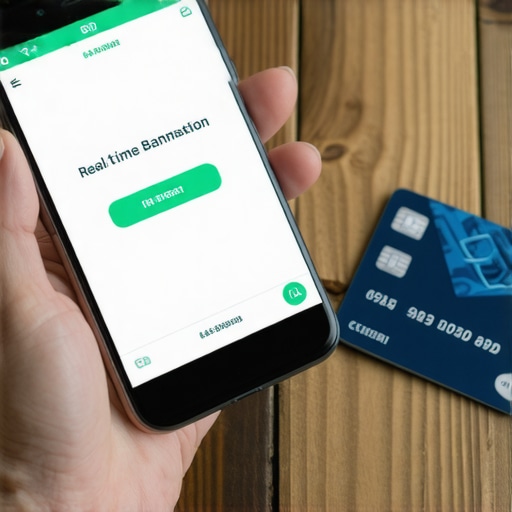
Let Your Phone Do the Guard Duty
You shouldn’t have to check your bank balance every hour to feel safe. The real magic happens when you set up ‘Push’ notifications for every single transaction over $1. If someone in another country tries to use your card, your phone buzzes before the receipt even prints on their end. This is essentially the 5-minute habit that protects your credit score from sudden drops. When I got that alert for an $800 purchase of power tools I didn’t buy, I was able to kill the card within sixty seconds via my banking app. It turned a potential financial catastrophe into a minor annoyance that only required a ten-minute phone call to the bank.
Clean Up the Mess Without Losing Your Mind
If you’ve already been hit, the ‘action’ phase changes from defense to restoration. Think of credit repair like gardening: you have to pull the weeds—those fraudulent entries—before the healthy score can grow back. Start by identifying the most common credit report errors and the fixes. You’ll likely find duplicate accounts, incorrect balances, or old addresses that don’t belong to you. If the damage is extensive and you’re feeling overwhelmed, seeking smart credit counseling how to rebuild your financial life can help you map out a recovery plan that balances your current bills with your long-term goals. I’ve seen people jump 50 points in a month just by removing one fraudulent collection record. It takes persistence, but following a step-by-step guide to credit building for new borrowers or identity theft survivors is the only way to reclaim your financial status. You can even find how to repair credit fast essential tips for better scores that focus on high-impact disputes first. It’s about being louder and more persistent than the errors on your file until your report reflects the truth.
But let’s get real for a second—persistence isn’t the only thing you need. You need a strategy that ignores common “wisdom.” For instance, most people believe that the moment they pay off a collection, their score will skyrocket. In reality, I’ve watched clients do exactly that, only to see their numbers dip. This is because of how certain scoring models view “activity.” When you pay an old, stagnant collection, you’re essentially waking up a sleeping giant and reminding the algorithm that the debt exists. You need to look into top credit repair myths busted by experts in 2025 before you start writing checks. It’s a nuance that separates the pros from the amateurs. Have you ever fallen into this trap? Let me know in the comments.
Why did my score drop after I finally paid off my car loan?
This is the most common frustration I hear. You think you’re doing the right thing by clearing a balance, but your “credit mix” takes a hit. Research from FICO indicates that having a diverse mix of revolving and installment accounts is essential for a top-tier score. When you close that car loan, you lose a piece of that active mix. It’s why why your credit score drops when you pay off a loan 2 is such a vital concept to understand. It’s also why why vantagescore might be giving you false hope; different models weigh these closures differently, and the “free” score you see on apps often doesn’t reflect the FICO score lenders actually use. The real “oops” factor comes when people decide to close their credit card accounts after paying them off. They think they’re being “safe,” but they’re actually destroying their average age of accounts. You should absolutely why you should never close a credit card account if it has no annual fee. It’s a silent killer for your score. According to the Consumer Financial Protection Bureau (CFPB), the complexity of these scoring models means that even positive actions can have unintended consequences if the timing is wrong. If you want to accelerate your progress, focus on credit building hacks fast track your credit score like becoming an authorized user or using the “mix shift” tactic. Following the ultimate credit repair blueprint for 2025 requires looking at your report as a living document, not just a list of bills. It’s about the math, not just the money. I once knew a guy who spent $5,000 to clear old debts and his score didn’t move an inch because he didn’t address his utilization first. Don’t be that guy. Instead, consider the truth about paying your debt via credit counseling to see if a managed plan protects your score better than a lump-sum payment would.
Stop Blindly Following Free Credit Apps
Once you’ve stopped the bleeding and started the repair process, the game shifts. You aren’t just reacting to disasters anymore; you’re managing a high-value asset. I’ve realized that most people fail at this stage because they rely on the wrong data. Those free apps are great for a quick glance, but when I’m getting serious, I look for the truth about finding your real fico score vs free estimates. If you’re planning on a mortgage or a major car loan, the ‘educational’ score you see on your phone is often thirty points off from the FICO 8 or 9 models that lenders actually pull. I personally use a dedicated tracking spreadsheet alongside a premium monitoring service that pulls from all three bureaus monthly. It’s not about being obsessed; it’s about having the same map the bank is using. If you are wondering about the truth about credit repair software, know that it can help automate the paperwork, but it won’t replace the need for you to personally audit every line item once a quarter.

The Automation Setup That Saves My Sanity
I don’t have time to manually check my utilization every Tuesday, and neither do you. I use a ‘Targeted Utilization’ strategy where I set balance alerts at 10% of my limit, not the 30% that most people recommend. By the time you hit 30%, your score is already feeling the drag. I’ve integrated smart debt management practices for maintaining financial health by automating my ‘small’ bills—like Netflix or my gym membership—onto my oldest cards and setting those cards to auto-pay in full. This keeps the accounts active without me having to carry the plastic in my wallet. This is the cornerstone of mastering debt management proven strategies for financial freedom. According to the National Consumer Law Center (NCLC), ‘zombie debt’ collectors often use illegal re-aging tactics to keep old accounts on your report longer than the seven-year limit allows. To fight this, I keep a digital ‘vault’ of my credit reports from every year so I can prove exactly when an account was first delinquent.
How do I maintain my credit score over the long term?
Consistency is more important than intensity. You don’t need to spend five hours a week on this. Instead, adopt the 5-minute habit that protects your credit score from sudden drops. This involves a quick weekly scan of your transaction history to ensure no ‘gray charges’—those sneaky subscriptions or incorrect fees—are eating your available credit. Looking ahead, I predict that by 2027, traditional scores will take a backseat to ‘Cash Flow Underwriting.’ Lenders will care more about your real-time bank balance and savings rate than a late payment from five years ago. That’s why building credit from scratch what you need to know in 2025 involves more than just cards; it involves proving your income stability. If you’re ready to level up, start using effective credit repair techniques for a fresh financial start by disputing the ‘logic’ of a record, not just its existence. My advanced tip: call your card issuers every six months to request a limit increase without a ‘hard pull.’ It’s the fastest way to drop your utilization overnight without spending a dime. Go into your app right now and set a ‘Balance Alert’ for 10% on your primary card—it’s the single easiest win you can get today.
What Credit Experts Rarely Mention About Recovery
One of the biggest “aha” moments I had wasn’t about a tool, but a tactic. I realized that the loudest voice in the room—the debt collector—is often the one with the weakest legal standing. If you’ve ever paid off an old debt just to see your score tank, you’ve experienced the frustration of “re-aging.” This is why the ultimate credit repair blueprint for 2025 focuses so heavily on verification before payment. Also, I learned that while everyone talks about “deleting” items, sometimes it’s easier to learn how to remove a paid collection from your credit report permanently by focusing on reporting inaccuracies rather than the debt itself. My lightbulb moment? Credit isn’t a grade on your character; it’s a game of data accuracy.
Tools I Use to Keep My Data Under Lock and Key
To stay ahead, I don’t just rely on luck. I use a specific digital toolkit. First, I suggest moving past basic apps and looking into credit counseling secrets for smarter debt management in 2025 to understand how banks view your overall profile. I trust the official FICO monitoring services because they give me the scores lenders actually see. I also keep a “delinquency diary”—a simple spreadsheet where I track the “date of first delinquency” for every negative item. This ensures I can catch a collector trying to “zombie” an old debt. Finally, I swear by using mastering debt management proven strategies for financial freedom, which includes using encrypted password managers to ensure that even if one shopping site fails, the rest of my digital life stays shut.
#IMAGE_PLACEHOLDER_E#
Start Building a Wall Around Your Financial Future
Reclaiming your financial safety doesn’t happen in a single weekend. It’s a series of small, intentional choices—like using a credit card for that online purchase or setting a spending alert. You have the power to stop the “bleed” and start the rebuilding process. Every dispute letter you send and every “burner” card you use is a brick in the wall of your financial security. Don’t let the fear of a past mistake stop you from pursuing a better score. You’ve got the tools and the plan; now you just need to take that first step toward a worry-free shopping experience. Have you ever been surprised by a sudden drop in your score after paying off a debt? Let me know in the comments below!