The Move That Rebuilds Credit After a Recent Bankruptcy
I still remember the day I got my bankruptcy discharge papers in the mail. I felt like I was walking around with a giant red ‘B’ tattooed on my forehead. I was terrified to even look at a bank, convinced they’d laugh me out of the lobby. I spent months hiding my head in the sand, thinking I had to wait seven or ten years before I could even dream of a decent credit score again. That was my first big mistake—simply waiting. I didn’t realize that the fresh start begins the minute the ink is dry, provided you make the right move immediately. I wasted precious time being afraid when I should have been acting. Today, I’m going to show you exactly how to stop hiding and start rebuilding.
Stop Waiting for the Ten-Year Clock to Run Out
The truth is, waiting for time to heal your credit is like waiting for a garden to grow without planting any seeds. You’ll just end up with a lot of weeds and a lot of wasted years. After my discharge, I was so afraid of debt that I avoided credit altogether. I thought I was being responsible, but in the eyes of the credit bureaus, I was just a ghost. You need to show them you can handle credit now, not a decade from now. That’s why effective credit repair tips to boost your score today aren’t just for people with a few late payments; they are the lifeline for those of us who have hit rock bottom. The “Move” I’m talking about isn’t some shady loophole. It’s about strategically re-entering the credit market using a specific type of account that reports to all three bureaus. But here’s the kicker: I messed this up early on. I rushed out and applied for a high-fee subprime card that ended up costing me more in annual fees than the credit limit was worth. Talk about a facepalm moment. If I had just looked into building credit from scratch through more reputable channels, I could have saved myself a lot of heartache and money. Have you ever felt like you were stuck in a financial penalty box with no way out? It is a lonely place to be, but you don’t have to stay there.
Does this actually work or is it just wishful thinking?
I get it. You’re skeptical. You’ve been burned, and the system feels rigged. But the data doesn’t lie. According to research from the Federal Reserve Bank of Philadelphia, many consumers who file for bankruptcy actually see their credit scores begin to stabilize or even rise shortly after discharge because their debt-to-income ratio improves significantly. The catch is that you must provide new, positive data to fill the void. By following a step-by-step guide to credit building, you aren’t just hoping for a better score; you are manufacturing one through consistent, small actions. We are going to map out exactly how to break out of that box and prove to lenders that your past does not define your future. It starts with one specific action that most people overlook because they’re too busy looking in the rearview mirror.
Grab a Secured Card and Put it on Autopilot
Think of a secured credit card as your financial training wheels. You aren’t asking a bank to trust you with their money yet; you’re putting your own skin in the game by providing a cash deposit that serves as your credit limit. This removes the risk for the lender while giving you a platform to report positive payment history. When I first did this post-discharge, I was so eager to move the needle that I charged a $250 car repair to my $300 limit. I paid it off immediately, but because the high balance reported before my payment cleared, my score actually dropped. I learned the hard way that the credit limit move that fixes your utilization isn’t just about paying on time—it’s about keeping that balance under 10% at all times. Use the card for one small, $15 monthly subscription, set it to autopay, and then literally hide the card in a drawer. 
Hunt Down the Ghost Debts Haunting Your Report
Bankruptcy is supposed to wipe the slate clean, but the credit bureaus are notorious for leaving zombie debts behind. These are accounts that should be marked as included in bankruptcy with a zero balance but often show up as past due or charged off. This is like trying to run a race with a parachute open behind you. You need to pull your reports from all three bureaus and scrutinize every single line. If you find an old medical bill or credit card that hasn’t been updated, you must force a correction. Learning how to fix the most common errors found in credit reports is the only way to ensure your hard work isn’t being undermined by administrative laziness. I spent three weeks fighting with a collection agency over a $40 utility bill that should have been gone. It felt like shouting into a void until I sent a formal dispute.
Build a Firewall Around Your New Life
While you’re rebuilding the score, you have to protect the foundation. This means moving away from the survival mode spending that often leads to bankruptcy in the first place. You need a system that treats every dollar like a soldier with a specific mission. By adopting smart debt management practices for maintaining financial health, you create a buffer between you and the next emergency. I started by setting aside just $20 a week. It felt insignificant at the time, but three months later, when my radiator blew, that tiny fund kept me from reaching for a high-interest payday loan. Consistency is your greatest weapon now. Using credit building hacks only works if you aren’t simultaneously creating new fires to put out. You are no longer just reacting to bills; you are architecting a new financial reality.
Most people believe that the fastest way to fix a damaged credit report is to pay off every single old collection account as quickly as possible. I used to think the same thing until I saw my score drop thirty points after paying off a six-year-old medical bill. It felt like a betrayal. The hard truth is that simply paying a debt doesn’t automatically remove the negative mark from your history; it just changes the status to “paid collection.” In the eyes of many older FICO models, a collection is a collection, regardless of the balance. By making that payment, I inadvertently updated the “date of last activity,” making an old mistake look brand new to the algorithms. This is why gaining credit counseling insights is so important—it prevents you from making expensive mistakes that look like progress on paper but hurt you in practice.
Paying Off Collections Might Actually Hurt Your Score
The contrarian reality is that sometimes leaving an old, small debt alone is better than paying it, especially if it’s close to falling off your report after the seven-year mark. If you do decide to pay, you must negotiate a “pay-for-delete” agreement in writing. Without that, you’re essentially giving away your leverage. This is one of the most misunderstood credit counseling secrets for smarter debt management in 2025. You have to realize that the collection agency has one goal: getting your money. They aren’t there to help your credit score. If you’ve already paid, don’t lose hope; there are specific tactics for getting a deletion after you’ve already paid that can help scrub those stubborn stains from your record.
Can You Really Force a Deletion After the Bill Is Paid?
It’s a question that keeps many of us up at night. The answer is yes, but it requires a level of persistence most people aren’t prepared for. According to a study by the Consumer Financial Protection Bureau (CFPB), nearly 25% of consumers identified errors on their credit reports that could affect their scores. Often, once a debt is paid, the reporting agency loses interest in verifying the data. If you dispute the accuracy of the reporting post-payment, and the agency fails to respond within thirty days, the entry must be removed. This isn’t a loophole; it’s your right under the Fair Credit Reporting Act. 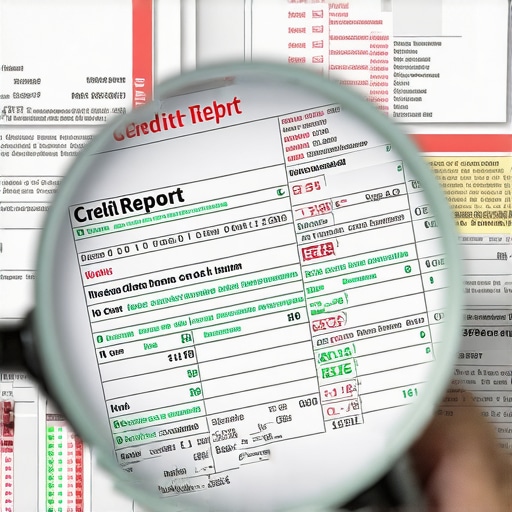
Why Your Credit Karma Score Is Lying to You
Another trap I fell into was obsessing over the score I saw on free tracking apps. I thought I was ready for a mortgage because my VantageScore was 720, but when the lender pulled my actual FICO 2, 4, and 5 scores, I was hit with a 640. It was devastating. This is one of the biggest reasons why you should ignore the credit karma score when making major financial moves. VantageScore uses a different weighting system that often ignores older collections or handles utilization differently than the FICO models used by 90% of lenders. If you’re relying on those free apps, you’re looking at a fun-house mirror version of your financial health.
The Danger of Closing Your Oldest Mistakes
In my rush to “clean house,” I made the classic mistake of closing a credit card account I’d had for ten years because it had a high interest rate. I thought I was being responsible, but I destroyed my “length of credit history” overnight. You should almost never close a credit card account, even if you don’t use it. That age is a precious asset. Instead, keep the card active with a tiny recurring charge and ignore the interest rate by paying it off in full every month. Don’t be swayed by the truth about those fix-your-credit-fast ads that suggest a total reset is as easy as opening new accounts. Have you ever fallen into this trap? Let me know in the comments.
Once you’ve cleared the debris of old mistakes, you enter the most dangerous phase: the maintenance plateau. This is where most people get bored and let their guard down. I personally stopped using automated monitoring apps as my primary source of truth. Instead, I developed the 5-minute habit that protects your credit score from sudden drops by manually checking my statement closing dates versus my payment dates. Why? Because the score you see on Tuesday might be based on a high balance that you actually paid off on Monday. To stay in control, you need a system that anticipates when the bureaus are watching. I use a simple spreadsheet to track my utilization window. By knowing exactly when each card issuer reports to the bureaus, I can ensure my balances are at their lowest right when the snapshot is taken. This isn’t just about paying bills; it’s about timing the market. Adopting smart debt management practices for maintaining financial health means you stop being a passenger in your own financial life. If you’re serious about scaling, look into the ultimate credit repair blueprint for 2025 which emphasizes these micro-adjustments. 
How do I keep my credit score from sliding backward?
The secret isn’t a secret at all; it’s audit-level scrutiny. Every quarter, I go through my reports to ensure no old debts have been resold to new collectors. According to the National Foundation for Credit Counseling (NFCC), keeping your total debt-to-income ratio under 36% is essential for those looking to transition from rebuilding to wealth building. If you find yourself struggling to stay under that cap, you might need credit counseling insights to unlock your path to better credit. They can help you restructure your monthly obligations so you aren’t constantly redlining your credit limits. Looking ahead, the game is changing. We are moving toward trended data with models like FICO 10T. Lenders won’t just see your current score; they’ll see if your balances have been rising or falling over the last 24 months. You can’t just spike your score right before a loan application anymore. You have to prove a downward trend in debt. This is why learning how to effectively use credit counseling to fix your finances is more relevant now than ever. My challenge to you: log into your banking app right now and set a High Balance Alert for $200. This tiny friction point will stop you from accidentally tanking your utilization before the month ends.
Lessons from the Trenches That the Algorithms Won’t Tell You
I wish I could tell you that rebuilding is a straight line, but it’s more like a dance. Some months you’ll feel like a financial genius, and other months a small fluctuation will make you want to throw your laptop out the window. One thing I learned the hard way is that your score is a lagging indicator. It reflects who you were three to six months ago, not the person you are today. If you are doing the work, don’t get discouraged if the needle doesn’t move immediately. Another “lightbulb moment” for me was realizing that the shame of the past is the biggest obstacle to the future. I used to avoid opening letters from the credit bureaus because I was afraid of more bad news, but facing those letters is exactly how I discovered the move that gets late payments off your report in 30 days. Knowledge is the only thing that kills the fear.
The Tools That Actually Moved the Needle for Me
You don’t need a fancy software suite to fix your life, but you do need a reliable compass. I personally swear by three things. First, always get your raw data directly from the source via AnnualCreditReport.com; don’t rely on third-party apps for the details. Second, if you feel overwhelmed by the technicalities, look into the best credit counseling agencies in the country to get a professional eye on your situation. They can provide smart credit counseling: how to rebuild your financial life without the high fees of predatory services. Finally, I kept a physical calendar to mark my “reporting dates”—the days the banks talk to the bureaus. This allowed me to use effective credit repair techniques for a fresh financial start with surgical precision. #IMAGE_PLACEHOLDER_E#
Stop Looking Back and Start Building Your Legacy
Your past is a school, not a prison. Bankruptcy or a tanked score might feel like a life sentence, but it’s actually just a very expensive tuition payment for a masterclass in resilience. Remember that why your credit score is not a reflection of your wealth is a truth you must hold onto; your value as a person isn’t tied to a three-digit number. Start small, stay consistent, and use the ultimate credit repair blueprint for 2025 to guide your next steps. You’ve already done the hardest part by deciding to take control. Now, just keep walking. Have you ever felt like your credit score was a permanent mark on your character? Let me know in the comments.