
The Simple Script for Getting a Goodwill Deletion on Late Payments
I still remember the pit in my stomach when I saw that bright red “30 Days Past Due” on my Equifax report back in 2018. It wasn’t because I didn’t have the money; it was a stupid, $12 recurring charge for a streaming service I thought I’d cancelled. That tiny oversight caused my score to plummet by nearly 80 points overnight. I felt like I’d been slapped. I had been working so hard on smart credit counseling strategies, only to see it all vanish because of a clerical error. It’s frustrating. It feels personal. But here’s the secret: the credit system isn’t as rigid as they want you to believe. I’m going to share the exact script I used to get that mark wiped clean, and trust me, it’s easier than you think. [image_placeholder]
Stop Letting One Late Payment Trash Your Financial Future
A single late payment is the ultimate credit score killer. According to data from FICO, a single 30-day delinquency can knock as much as 100 points off a high credit score for someone who previously had a pristine profile. That is the difference between a low-interest mortgage and a flat-out rejection. When I first started trying to fix my mess, I made the classic rookie mistake: I called the customer service line and begged. I spent three hours being transferred from one bored representative to another, only to be told “there is nothing we can do.” I was devastated. But I was also wrong.
I didn’t realize then that removing a late payment from your credit report requires a specific type of leverage called a goodwill letter. This isn’t about disputing a mistake—it’s about asking for a favor based on your otherwise perfect history. If you’ve been monitoring your progress, you probably know why you should ignore the VantageScore and focus on what lenders actually see. Have you ever felt like you were screaming into a void when trying to talk to a bank? I’ve been there, and I know how defeated it makes you feel.
Does This Really Work or Are the Banks Just Ignoring Us?
I get the skepticism. Banks aren’t exactly known for their “goodwill.” For a long time, I thought these scripts were just urban legends whispered in credit repair forums. I figured the automated systems would just toss my letter in the digital trash. But the reality is that these companies are run by people, and those people have specific policies for “goodwill adjustments.” The trick isn’t just asking; it’s asking the right person in the right way. We aren’t going to talk about how to repair credit fast with gimmicks; we are going to use a professional, human approach that triggers a manual review of your account. By the time you finish this, you’ll have the exact words to put on paper to make a skeptical bank employee want to help you out.
Verify the Details Before You Fight
Before you send a single piece of mail, you need to be an investigator of your own life. Grab your bank statements and look for the exact date that payment cleared. Sometimes, a bank marks you as late when you were actually within the grace period. This happens more often than you’d think. If you find a discrepancy, you aren’t asking for a favor—you’re demanding a correction. However, if the error is truly yours, don’t panic. Think of your credit report like a high school permanent record. Most people think the principal’s word is law, but the teachers (your creditors) actually have the power to change a grade if you show them you’ve been a star student overall. Using effective credit repair tips to boost your score today starts with knowing exactly which dates are dragging you down.
Draft a Letter That Actually Gets a Response
This is where most people fail. They use a generic, robotic template they found on page 10 of a Google search. Banks see thousands of these every day and they auto-reject them. To get through, you need to be human. When I was fighting that $12 streaming charge error, I didn’t lead with ‘To whom it may concern.’ I wrote a letter that acknowledged my mistake, highlighted my long-term loyalty, and explained that I was preparing for a major life milestone. I was honest about how much the stress was affecting my debt management goals. 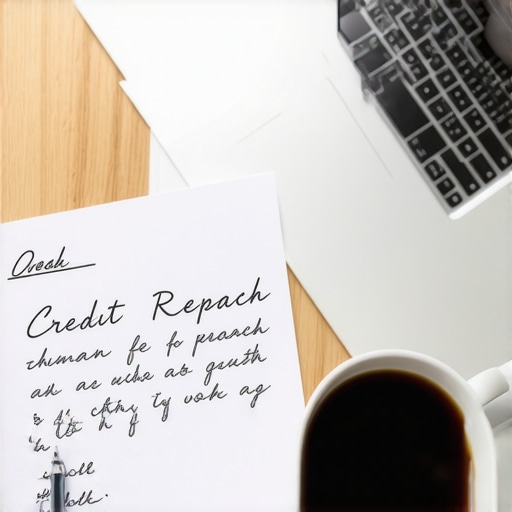
Find the People Who Have Real Power
The customer service rep on the phone is trained to say no. They are following a script designed to protect the bank’s bottom line. To get results, you have to bypass the front line. I once spent three weeks hunting down the specific email address for a VP of Customer Relations at a major lender. I sent a polite, three-paragraph note. I didn’t get a reply email, but ten days later, the 30-day late mark simply vanished from my TransUnion report. This is a core part of the ultimate credit repair blueprint for 2025: find a person with the authority to override the system. If you just send it to the general processing center, it will be scanned by a machine and filed away.
What to Do When the First Answer is No
Persistence is the only thing banks respect. If your first goodwill letter is rejected, wait thirty days and try again, perhaps with a different angle or a different contact person. While you wait, ensure you aren’t making other errors that cancel out your progress. It is vital to how to avoid the most common credit repair mistakes, like disputing valid information too aggressively, which can lead to a ‘frivolous’ tag on your file. If the late payment is attached to an account that eventually went to collections, the strategy shifts. You might need to learn how to remove a paid collection from your credit history rather than just asking for a goodwill adjustment. In some cases, if the bank is being particularly difficult, you can send the method of verification letter every credit repair diyer needs to force them to prove they followed every legal step in reporting that delinquency. It’s about creating enough administrative work for them that simply deleting the mark becomes the easiest path for the bank.
Why Most People Accidentally Sabotage Their Credit While Trying to Fix It
Most people think that to see real results, they need to hire a high-priced firm, but I’ve found that why you don’t need a credit repair lawyer for simple disputes is one of the most empowering lessons you can learn. The biggest secret that ‘repair gurus’ won’t tell you is that their mass-produced templates are often their own undoing. When you pay a company to blast out disputes, they use software that generates thousands of identical letters. The credit bureaus aren’t stupid; they have sophisticated algorithms to identify these. You are much more effective when you act as your own advocate. One of the most pervasive top credit repair myths busted by experts in 2025 is that ‘more is better.’ In reality, sending a blanket dispute for every negative item on your report is the fastest way to get your file flagged as frivolous. According to a report by the Consumer Financial Protection Bureau (CFPB), the automated ‘e-OSCAR’ system is designed to streamline disputes, and if your letter looks like a robot wrote it, it might never see human eyes. You need to be surgical—focus on one or two items at a time and provide specific evidence for each. 
Stop Closing Your Old Accounts Today
This is the classic ‘oops’ factor. I’ve seen so many people try to tidy up their history by closing cards they no longer use. They think they are being responsible, but why closing old accounts destroys your score instantly comes down to your ‘length of credit history.’ When you close that ten-year-old card, you’re shortening your average account age and potentially increasing your utilization ratio. It’s like erasing a decade of good behavior. Many people think that an unused credit card is a liability, but it’s actually a pillar of your score. It is better to keep the account open and put a small, recurring charge on it to keep it active. If you’re navigating high balances elsewhere, understanding these credit counseling insights avoid common pitfalls in debt management can save you months of frustration.
Why Does Your Score Drop After Paying Off a Loan?
This is the most frustrating nuance in the entire system. You work hard, save up, and pay off your car loan, only to see a 20-point drop. It feels like a punishment for being responsible. However, this happens because you’ve changed your ‘credit mix.’ Lenders want to see that you can handle both revolving credit and installment credit. When the loan is gone, your mix is less diverse. This is often why your credit score hits a plateau and how to break it; you might need to introduce a different type of positive data to offset the loss of that active installment account. It’s a game of balance, and understanding these hidden mechanics is what separates the novices from the experts. Have you ever fallen into this trap where doing the ‘right’ thing ended up hurting your score? Let me know in the comments.
Why Automation Beats Manual Tracking Every Time
Once you’ve cleaned up the mess on your reports, the real work begins: staying there. I used to think I could manage everything with a mental calendar, but life happens. One missed notification and you’re back to square one. This is why I swear by a multi-layered automation strategy. I personally use a combination of automated bank alerts and a specific spreadsheet method that ensures I never hit a late fee. If you’re looking for smart debt management practices for maintaining financial health, you have to stop trusting your memory. I set my credit cards to auto-pay the minimum balance five days before the due date as a safety net, but I manually pay the full balance later. This ensures I’m never ‘late’ in the eyes of the credit bureaus, even if I forget to log in.
If your score is still a bit thin, you should look into how to use a credit builder account to save and build score. These accounts are essentially a reverse loan; you pay into it, and they report those payments to the bureaus. By the time you’re done, you get your savings back. It’s the ultimate low-risk tool for ‘thickening’ a file that only has a couple of cards. I used one of these after my 2018 mishap, and it added a level of stability that my score desperately needed. 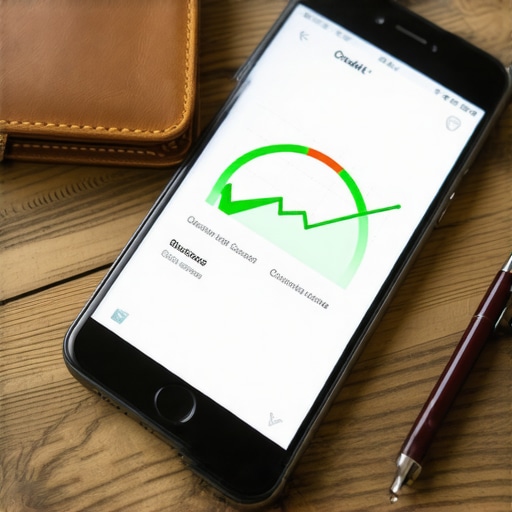
How do I stay in the 800 club for life?
Maintenance isn’t just about paying on time; it’s about managing your ‘utilization’ like a pro. John Ulzheimer, a nationally recognized credit expert who has worked for both FICO and Equifax, points out that the ‘amount of debt’ category in your score is incredibly sensitive to how many of your accounts show a balance, not just the total amount you owe. This is where the 15/15 rule becomes a game-changer. By making two payments a month—one fifteen days before your statement date and another three days before—you effectively trick the system into reporting a much lower balance than you actually have. It’s a way to keep your score high even if you’re using your cards for daily expenses.
I also recommend exploring how to build credit using only subscription services. This is a newer trend where services report your Netflix or Spotify payments to your credit report. While it doesn’t carry as much weight as a mortgage or a car loan, it adds that ‘positive payment history’ juice that can keep your score trending upward during quiet months when you aren’t making major purchases.
The Future of Credit Moves Beyond Your FICO Score
Looking ahead to 2025 and beyond, the way banks judge us is shifting. We are seeing a move toward ‘UltraFICO’ and other models that look at your banking data—like how much you have in savings and how often you overdraft—rather than just your debt history. This makes building credit from scratch in 2025 a broader challenge than it was ten years ago. It’s no longer just about the report; it’s about your entire financial footprint. My prediction is that alternative data, like utility and rent payments, will become the primary way the next generation enters the credit market. My challenge for you: Implement the 15/15 rule for exactly one month starting today and watch how your score reacts. It is the single most effective way to see an immediate boost without spending an extra dime.
The Hard Truths My 800-Point Journey Taught Me
Looking back on my journey from that gut-punch 30-day late notice to a stellar profile, I realized that the numbers on the screen were only half the battle. One of the biggest shifts I made was learning to stop obsessing over daily fluctuations. Credit is a marathon, not a sprint, and checking your score every four hours is the fastest way to drive yourself crazy. I also learned that being polite but firm with creditors is a secret weapon; they are so used to being yelled at that a little kindness often gets you further than a legal threat. Most importantly, I discovered that the logic behind the 15/15 rule for credit card payments isn’t just about math—it’s about building a habit of financial mindfulness that prevents errors before they happen. [image_placeholder]
The Gear That Keeps My Finances on Autopilot
I don’t believe in over-complicating things with fifteen different paid apps that just want to sell you credit cards. I keep it simple with the best way to track your spending without using a complex app: a basic, automated spreadsheet and a physical folder for all correspondence. For education, I always point people toward the Consumer Financial Protection Bureau (CFPB) database—it’s the official rulebook that banks don’t want you to read. I also highly recommend setting up a secondary ‘bills only’ bank account to ensure your primary spending never accidentally eats into your mortgage or credit card payments.
Your Credit Score is a Tool Not Your Identity
It is incredibly easy to feel defined by a three-digit number, especially when it feels like a barrier to the life you want to lead. But remember: you are more than your FICO. Every step you take toward mastering credit building proven strategies for a strong financial future is a step toward long-term freedom and peace of mind. You now have the scripts, the strategies, and the mindset to advocate for yourself. The system isn’t always fair, but it is predictable if you know how to play the game. Have you ever managed to get a late payment removed using a goodwill letter, or did you face a roadblock I didn’t mention? Let me know your experience in the comments below!