Denied Again? 3 Fixes When Your 2026 Credit App Fails
One morning, I sat at my kitchen table, staring at that dreaded rejection letter from the bank. My heart sank. Despite all my efforts, my credit application for a new loan in 2026 had been denied again. It was a lightbulb moment for me—how could I have missed so many warning signs? I realized I wasn’t alone in this struggle, and I knew I had to find a way to turn things around. If you’ve faced a similar setback, you’re probably wondering, “Why does my credit keep failing, and what can I do about it?”
Why Your Credit Application Might Be Causing You Heartache in 2026
I’ve learned that credit rejections aren’t just random; they often stem from overlooked issues that can be fixed with targeted strategies. The truth is, your credit report is like a report card that tells lenders whether you’re a responsible borrower. If there are errors, outdated information, or high debt ratios, your chances of approval plummet. One mistake I made early on was ignoring my credit report’s inaccuracies, which cost me precious opportunities. According to a report by the Consumer Financial Protection Bureau, correcting errors on your credit report can boost your score by as much as 100 points. That was a game-changer for me, and it might be for you too.
Is Credit Repair Really Worth the Effort?
You might be thinking, “Sure, but is fixing my credit truly worth all this fuss?” Trust me, I asked myself that question too. I remember spending countless hours haggling with creditors and feeling overwhelmed. But over time, I discovered that consistent effort pays off—and it can be faster than you think. One early mistake I made was trying quick fixes that didn’t address the real issues. Instead, I found that following a proven blueprint, like the ones described in this comprehensive guide, provides sustainable results. No shortcuts, just steady progress.
End of this opening section. Next, we’ll dive into practical, step-by-step strategies to help turn your credit story around and get that approval in 2026.
Audit and Correct Your Credit Report
Start by obtaining your free credit report from the three major bureaus via AnnualCreditReport.com. Review it meticulously for errors like wrong balances, outdated information, or fraudulent accounts. Dispute inaccuracies directly through the bureaus’ online portals—this process is straightforward and can significantly boost your score, sometimes by over 100 points. I personally spotted a closed account mistakenly listed as open, and correcting it added 50 points to my score within a month.
Eliminate High-Interest Debt
Focus on paying down debts with the highest interest rates first—this is known as the avalanche method. Create a list of all debts, prioritize them from highest to lowest rate, and allocate extra funds toward the top. For example, I targeted my credit card debt with an 18% interest rate, making additional payments each month, which reduced my debt faster and improved my debt-to-income ratio, a critical factor in credit approval.
Consolidate Debts When Possible
Consider debt consolidation to lower overall interest and simplify payments. A debt consolidation loan combines multiple debts into a single payment, ideally with a lower interest rate. I used a balance transfer card with a 0% introductory rate to pay off smaller high-interest balances—this tactic bought me time to pay down debt without accruing more interest. Always compare options to ensure it benefits your financial situation, and consult a debt management expert if unsure.
Build Positive Credit Activity
Leveraging secured credit cards can help establish or rebuild credit. Make small purchases, like groceries, and pay the balance in full each month to demonstrate responsible usage. Additionally, consider becoming an authorized user on a trusted family member’s account—this can boost your score by inheriting their positive payment history. In my case, adding myself as an authorized user on my parent’s account helped me demonstrate a history of timely payments, making future approvals more accessible.
Utilize Credit Builder Loans
A credit builder loan involves borrowing a small amount, held in a bank account while you make payments. These consistent payments are reported to bureaus, building your history. I started with a modest loan from my local credit union, which improved my payment record and contributed positively to my credit mix—a factor lenders review closely.
Manage Your Ratios and Spending
Keep your credit utilization ratio below 30%; this means if you have a $10,000 credit limit, spend no more than $3,000. Use tools like this guide to help reduce your balances effectively. Avoid opening multiple new accounts simultaneously—each application triggers a hard inquiry, slightly lowering your score. Instead, focus on strategic, gradual improvements.
Engage Professional Help When Needed
If you’re overwhelmed, credit counseling services can be a game changer. They negotiate with creditors, help craft personalized plans, and provide accountability. My experience with professional counseling gave me clarity, especially in negotiating debt settlements that lowered my total owed, further boosting my credit standing.
While many believe that quick fixes or simple strategies can dramatically improve credit scores, the real nuances lie beneath the surface. Contrary to common myths, credit repair isn’t just about disputing errors or making timely payments; it’s also about understanding the intricate credit reporting system and avoiding common pitfalls that can backfire. One widespread misconception is that closing unused credit accounts will boost your score—when in reality, it can actually lower your available credit and harm your utilization ratio, which is a key factor in credit scoring. According to a study by FICO, optimal utilization rates below 30% can significantly uplift your score, but closing accounts can unpredictably affect this metric. Don’t fall into the trap of neglecting your credit mix or over-applying for new credit, as each hard inquiry can deduct points and signal risk to lenders.
Why do widely accepted credit building tactics sometimes fail?
Many assume that adding multiple lines of credit quickly will diversify their credit mix and enhance their score. However, experts warn that opening too many accounts at once can trigger multiple hard inquiries, which might temporarily decrease your score. Instead, focus on sustainable strategies like demonstrating consistent responsible usage over time. For example, leveraging secure credit cards or credit builder loans thoughtfully can help build a positive payment history without the risk of overextending yourself. Interestingly, a report by the Consumer Financial Protection Bureau emphasizes that patience and consistency are more effective than rapid expansion—so avoid shortcuts. If you’re unsure about which strategies are truly effective, consider consulting trusted sources like this guide to learn proven methods. Moreover, be aware of some advanced mistakes, such as neglecting to review your credit report regularly—hidden inaccuracies or outdated information can remain unnoticed and drag down your score. Regularly auditing your report and disputing inaccuracies is a crucial step often overlooked. 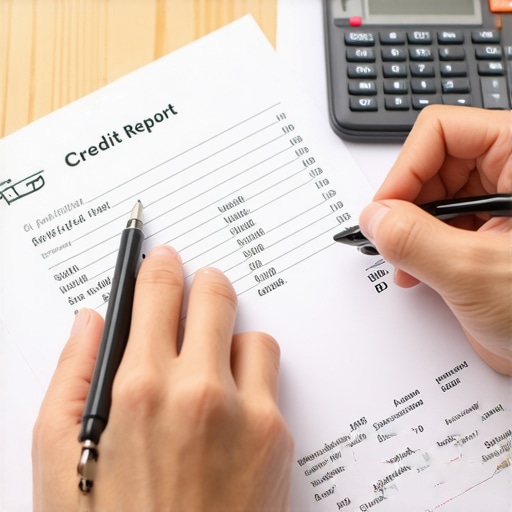
Keep Your Credit in Top Shape with Reliable Tools
Managing your credit effectively over the long haul requires more than just good intentions; it demands strategic use of proven tools and consistent habits. One of my favorite tools is **credit monitoring services** like Experian or TransUnion. These platforms provide real-time alerts whenever your credit report changes, allowing you to catch any discrepancies or fraudulent activity immediately. I personally use Experian because it offers a detailed credit score tracker and personalized tips, which help me stay on top of my progress and make adjustments proactively.
Another indispensable tool is **budgeting software** such as YNAB (You Need A Budget). This isn’t just about expense tracking; it helps me allocate funds toward debt repayment and savings systematically. With YNAB, I can set targeted goals for reducing balances on high-interest debt—an essential step in maintaining a healthy credit profile. The software’s visual dashboards keep me motivated and focused on my long-term objectives.
For credit-building, I rely on **secured credit cards** issued by reputable banks like Discover or Capital One. These cards are my go-to because they report to all three bureaus, and I can control spending by setting low credit limits. I’ve found that making small, regular purchases and paying them off immediately has significantly improved my credit age and payment history, which are crucial factors in credit scoring models.
Additionally, **debt management platforms** like ClearScore or Credit Karma offer free access to your credit report and helpful insights into your credit utilization ratio and debt payoff strategies. Incorporating their recommendations allows me to adjust my credit mix and maximize my score potential. Regularly reviewing your report and understanding the factors influencing your score is vital for maintaining long-term financial health.
How do I keep my credit profile healthy for years to come?
The key lies in automation, regular review, and leveraging tools that provide actionable insights. Setting up alerts for repayment due dates and monitoring your score periodically ensures you remain aware of your progress and can avoid common pitfalls like late payments or overutilization. Looking ahead, I anticipate that AI-driven credit management apps will become even more personalized, helping individuals optimize their credit scores dynamically. Embracing such cutting-edge tools now can put you ahead in your credit journey.
If you’re ready to elevate your credit maintenance game, start by integrating a reliable credit monitoring service and stick to a disciplined routine of regular reviews and responsible usage. Remember, consistent effort combined with effective tools can make the difference between lingering debt and achieving long-term financial independence. For an in-depth guide on advanced credit strategies, visit this resource and try implementing one of their recommended tactics today.

Lessons That Changed My Credit Journey
One profound realization was that quick fixes often lead to short-lived improvements. True credit repair demands patience and a strategic approach grounded in understanding your unique financial picture. I learned that every negative mark on my report had a story—and a solution—if I was willing to dig deep. The importance of continuous monitoring became clear when I caught errors early, saving me time and money. Additionally, I discovered that building trust with lenders through consistent, responsible habits opened doors I once thought were closed. These lessons transformed my perspective and set me on a path toward lasting financial health.
My Go-To Tools for a Stronger Credit Score
Over time, I’ve come to trust several resources that simplify and empower my credit journey. First, this comprehensive guide offers proven methods to enhance credit responsibly. For real-time insights, I rely on credit monitoring services like Experian; they help me stay proactive about changes and fraud attempts. Budgeting tools such as YNAB keep my spending on track, ensuring I maintain low utilization ratios. Lastly, I turn to secure credit cards from trusted issuers, which help me demonstrate responsible credit use without risking overspending. These tools form the backbone of my ongoing financial growth.
Your Next Step to Financial Confidence
Remember, every small effort counts when it comes to building and maintaining good credit. Embrace the strategies, use the right tools, and stay committed to your goals. The journey might seem daunting at first, but with perseverance, you can turn your credit story around and achieve your dreams in 2026. It’s your turn to take control—start today, and don’t be afraid to seek professional guidance if needed. The future of your financial health depends on the actions you take now.
What’s one credit habit you’re ready to change or improve? Share your thoughts below—I’d love to hear your story and support your progress!
This post really hits home for me, especially the part about reviewing your credit report for errors. I used to overlook the importance of it and didn’t realize how much inaccurate information could be dragging down my score. Once I started regularly checking my reports and disputing inaccuracies, I saw noticeable improvements in my credit standing. It’s a simple yet effective step that more people should consider. Regarding the strategies like using secured credit cards and credit builder loans, I’ve personally found that responsible use over time is what truly helps in rebuilding credit. I’d love to hear from others about their experiences with credit builder loans—have they been worth it in the long run? Also, what tools have you found most helpful for maintaining good credit over the years? Building a healthy credit profile feels like a marathon, not a sprint, and having the right habits and tools makes all the difference.
This post really resonated with me, especially the emphasis on auditing your credit report for inaccuracies. I once overlooked this step and lost out on a much-needed loan because of a small, outdated negative item that I hadn’t disputed. Once I corrected it, my score improved significantly, and I was able to secure better terms. It’s amazing how seemingly minor errors can have such a big impact over time. I’ve also found that building positive credit habits—like consistent small payments on secured cards and credit builder loans—really makes a difference. Has anyone here tried automated tools or apps to monitor their credit health? I’m curious if those have helped others stay proactive and catch issues early before they affect scores. Personally, I rely on credit monitoring services like Experian, and I’ve noticed that setting alerts for any changes keeps me on top of my credit file. What strategies have worked best for your long-term credit maintenance, especially when dealing with setbacks like late payments or errors? Would love to hear your experiences and tips!
Reading this post really made me realize how often we overlook the importance of detailed credit report reviews. I used to think a quick glance was enough, but after discovering some inaccuracies on my own report, I saw how easily those errors can hold your score hostage. Disputing those inaccuracies was a crucial turning point for me, and it actually made a noticeable difference within a few months. I’m curious, has anyone found that regularly monitoring their report helped them catch fraud or identity theft early? I’ve been considering setting up alerts through a credit monitoring service—would love to hear what has worked well for others in maintaining long-term credit health. Implementing small, consistent habits like this has given me more confidence in my financial journey. It’s no secret that responsible credit behavior is a marathon, not a sprint, but having the right tools and habits makes the race more manageable. What’s one proactive step you’re planning to take this year to strengthen your credit profile?