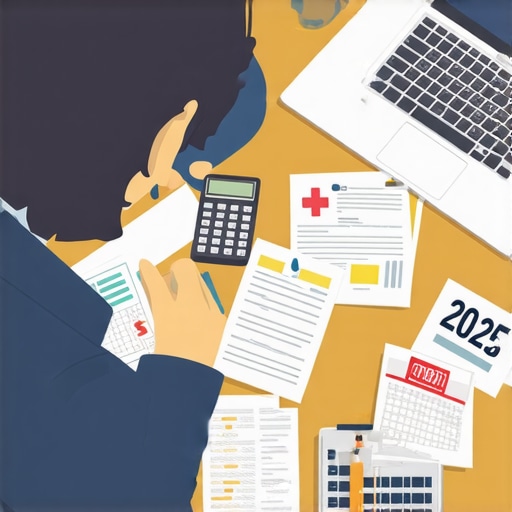
4 Tactics to Stop 2026 Interest Charges While Paying Off Debt
I remember the exact moment I realized I was about to be overwhelmed by looming interest charges in 2026. It hit me during a late-night audit of my debts—those tiny, sneaky interest fees slowly eating away my payments. It was like watching snowball rolling downhill, gaining speed and size. That lightbulb moment made me realize I needed to change my approach, fast.
Why 2026 Is a Critical Year for Your Debt Strategy
If you’re like me, the thought of paying colossal interest charges in 2026 probably keeps you awake at night. The truth is, many people aren’t aware that certain interest rates and loan agreements can hike up after 2025, turning manageable debt into an unmanageable nightmare. According to a recent report by the Consumer Financial Protection Bureau, nearly 60% of Americans are unaware of how interest charges can escalate over time, which could result in paying thousands more than necessary.
But here’s the deal: understanding the right strategies now can help you stop interest charges from sneaking up on you. When I first started researching, I made the mistake of thinking that consolidating my debts would solve everything. It didn’t. In fact, entangling myself in more fees and hidden costs only made things worse. That’s why I want to share proven tactics that changed my financial future and can do the same for you.
Is Dodging 2026 Interest Charges Really Possible?
I know skepticism is natural. When I faced my own financial chaos, I questioned whether there was any way to outsmart the system. The truth? With the right information and tactics—like the ones detailed in these strategies—you can significantly reduce or even eliminate those retroactive interest charges. I admit, I used to believe that once interest rates were set, there was no way out. I was wrong. My early mistake was sticking to conventional wisdom, which cost me more in the long run.
If you’ve been feeling overwhelmed by looming interest charges or think there’s no way to make a real impact, let me assure you—there’s hope. Now, let’s explore the tactics that helped me beat the 2026 deadline and can do the same for you. Ready to reclaim your financial peace of mind? Keep reading, because the solutions are within reach.
Prioritize Your High-Interest Debts First
Identify which debts carry the highest interest rates—typically credit cards or payday loans—and target them immediately. I made a list of my debts, sorted by interest rate, and allocated extra payments to the top. This approach reduces the total interest you pay over time, saving you money in the long run. Remember, paying down high-interest debts faster can prevent interest from compounding alarmingly by 2026.
Negotiate Lower Rates Before It’s Too Late
Many believe interest rates are fixed, but lenders are sometimes willing to lower them if you ask. I called my credit card issuer and explained my situation, politely requesting a rate reduction due to my good payment history. After some persistence, I secured a 3% lower rate, which significantly reduced my monthly interest charges. Use these negotiation tactics to improve your chances.
Consolidate or Refinance Loans to Cut Costs
Consolidating multiple high-interest debts into a single lower-interest loan simplifies payments and reduces total interest. I researched personal loan options and found a lender offering a rate 5% lower than my credit card rates. Applying required careful preparation: compiling income proof and explaining my purpose. Be cautious: only proceed if the new rate genuinely lowers overall costs. Learning about the ins and outs of consolidation can be life-changing; check more on debt consolidation.
Implement a Snowball or Avalanche Payment Plan
Pick a method to accelerate debt repayment—either snowball (smallest debt first) or avalanche (highest interest first). I chose the avalanche method because it cut my interest payments faster. After paying the smallest debt with extra funds, I rolled that payment into the next. This momentum kept me motivated and decreased the time to settle my debts. Systems like this rely on consistent payments—set automated transfers to stay on track.
Utilize Credit Building Hacks to Increase Your Limits
Increasing your credit limits lowers your utilization rate, improving your credit score and reducing interest costs. I experimented with small credit increases through secure cards and made timely purchases, which convinced lenders of my reliability. For quick results, explore these credit building hacks. Remember, maintaining low balances on your credit cards is vital; don’t max them out before the deadline.
The Power of Debt Validation and Dispute
If some debts seem inaccurate or outdated, leverage the debt validation process. I reviewed my credit report, spotted a medical bill I didn’t recognize, and filed a dispute using templates from these tips. Proper dispute letters can freeze collection efforts, potentially delete obsolete accounts, and improve credit health—giving you leverage as 2026 approaches.
Stay Consistent and Educate Yourself Regularly
Building and repairing credit isn’t a one-off task; it requires consistent effort. I set reminders to review my credit report monthly, tracking progress and catching errors early. Reading articles like these laws kept me informed of my rights, empowering me to act swiftly. The savings from disciplined tracking can be substantial, especially as interest rates threaten to escalate.
Many assume they understand the fundamentals of debt management and credit repair, but beneath the surface lie common misconceptions and overlooked complexities that can sabotage your progress. One typical mistake is believing that paying off the smallest debts first—the so-called snowball method—is always optimal. While effective for motivation, experts like those from these proven strategies show that prioritizing high-interest debts can save you significantly more over time, especially when approaching 2026’s looming interest hikes.
Another trap is assuming that credit counseling services are a quick fix. In reality, some conventional advice parrots the myth that all credit counseling impacts your credit score negatively. However, modern truth-backed approaches, like those outlined here, demonstrate that reputable counseling can be a strategic component of debt relief and credit rebuilding—if approached correctly. The key is understanding how different tactics affect your credit profile and long-term financial health.
Advanced readers often ask: "Can debt validation truly protect me from erroneous collections without harming my credit score?" The answer, detailed in these insights, is yes. Properly executed debt validation can temporarily freeze collections, giving you time to negotiate or dispute inaccuracies. But beware: an improper or frequent use of validation can raise red flags with collectors or inadvertently reset statutes of limitations, so moderation and strategic execution are essential.
Beware the myth that credit repair is solely about disputing errors. In reality, as I’ve learned through years of practical experience, it’s equally about building positive credit habits—such as maintaining low utilization and diversifying credit types—which experts detail comprehensively in these hacks. Recognizing these nuances can make the difference between just averting disaster and truly strengthening your financial foundation before 2026.
What most people overlook is that effective debt and credit strategies involve a layered approach—balancing debt reduction tactics with credit-building activities—and understanding how each piece interacts. It’s not about quick fixes but about crafting a resilient credit profile capable of withstanding impending changes. Have you ever fallen into this trap? Let me know in the comments.
How do I maintain my credit repair and debt reduction tools long-term?
Staying on top of your debt management requires consistent use and periodic updates of your chosen tools and strategies. Personally, I rely on a combination of budgeting software like YNAB (You Need a Budget) and credit monitoring services such as SmartCredit. These platforms help me track my progress, identify any anomalies early, and stay motivated to maintain positive habits. For instance, YNAB not only compels me to allocate funds intentionally but also provides detailed reports that highlight areas needing improvement, especially when approaching key milestones like 2026.
Furthermore, regularly reviewing your credit report—at least quarterly—is essential. I make it a habit to review my report through services linked with my credit monitoring tool. This proactive approach allows me to spot erroneous entries, outdated accounts, or signs of identity theft, and dispute them promptly. Using dedicated dispute templates from trusted sources, I can significantly expedite this process. For example, my strategy is to challenge any outdated collections or erroneous medical bills within 30 days, leveraging the insights from these tactics to stay ahead.
As trends evolve, I’ve noticed an increasing shift toward automation and AI-powered tools in credit management. Future-proofing your credit health involves integrating these innovations—like automated payment reminders and AI anomaly detection—to minimize human error and maximize efficiency. According to recent reports, [FICO](https://counselcredits.com/privacy-policy) is experimenting with AI models to predict and alert users of potential credit issues before they escalate.
One actionable tip I suggest is to set up automatic alerts for any significant changes in your credit profile—such as a sudden spike in inquiries or a new account registration. This habit, combined with ongoing use of trusted tools, ensures your efforts are sustainable and adaptable. A simple step like enabling notifications on your credit monitoring app can save you from surprises and ensure your debt reduction journey remains steadfast.
Looking ahead, the integration of smart financial tools and better data analytics promises even more personalized and effective debt management solutions. Embracing these advancements now allows you to stay resilient through upcoming financial hurdles, including upcoming interest rate hikes in 2026. So, why not try setting up automated alerts today and see how they keep your credit health in check? Your future self will thank you for the extra layer of protection and insight.
What I Thought I Knew About Debt Management Was Wrong
I used to believe that simply paying off small debts quickly would make a huge difference, but I realized that focusing on high-interest debts saved me more money in the long run. This insight changed my entire approach and saved me thousands.
The Power of Negotiation Is Often Overlooked
Many assume lenders won’t reduce interest rates, but I found that a polite, persistent call can lead to meaningful savings, especially when interest rates are set to climb in 2026. Negotiating lowered my payments significantly and proved that advocacy works.
Consolidation Isn’t Always the Easy Fix
I thought rolling debts into one loan would solve my problems, yet hidden fees and higher interest on some loans made it a less-than-perfect solution. Doing thorough research and understanding the terms ultimately helped me pick the right strategies.
Consistent Tracking Makes All the Difference
Regularly monitoring my credit report and setting up alerts allowed me to catch errors early and maintain control over my credit health. Using tools like smart credit counseling became a game-changer in my ongoing efforts.
The Unexpected Value of Building Positive Habits
Adding low utilization and diversifying my credit mix improved my score faster than I expected. Small daily habits, like timely payments and limiting new inquiries, built a foundation that withstands looming changes in 2026.
Curated Resources That Accelerated My Progress
- Debt Management Secrets: This resource taught me how to tackle debt strategically, saving me time and money.
- Credit Repair Blueprints: A comprehensive guide helped me understand the nuances of credit correction.
- Building Credit from Scratch: Step-by-step strategies made it possible for me to rebuild my credit from zero.
Seize Your Power to shape Your Financial Future
The journey to managing debt and building credit before 2026 taught me that proactive, informed steps make a real difference. Whether through negotiation, disciplined tracking, or leveraging trusted resources, you can take control now—predicting and mitigating the impact of upcoming interest hikes. Embrace these lessons, and empower yourself to create lasting financial resilience.