How to Dispute a Debt You Already Paid
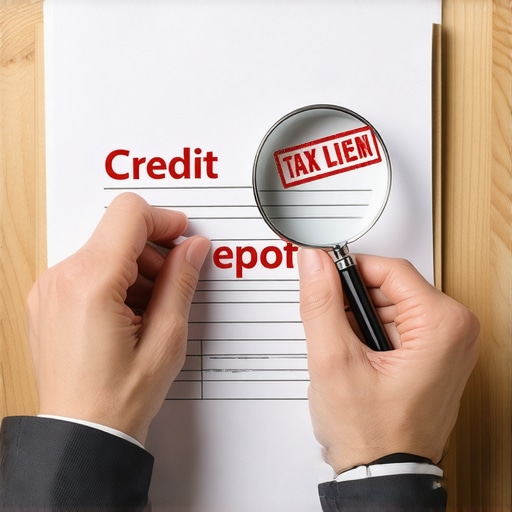
It was late one evening when I discovered a debt on my credit report I thought was long gone. The account balance was still sitting there, haunting me as if I never paid it. I remember feeling that wave of frustration and helplessness—those moments when it seems like the system is working against you. That lightbulb moment hit me hard: What if I could dispute this incorrect entry myself?
Over the years, I’ve learned that many folks face similar issues—debts that were settled, but still appear as active liabilities. It’s a common mistake to assume that once you’ve paid something off, it’s off your report forever. But that’s not always the case. Today, I want to share a proven approach to challenge and remove those paid debts from your report, saving you money and improving your credit score.
Why You Shouldn’t Let Paying a Debt Go Unchallenged
Paying off a debt doesn’t automatically mean it disappears from your credit report. Sometimes, mistakes happen—accounts are reported incorrectly or outdated information is not removed in time. If these inaccuracies stay unresolved, they can drag down your credit score or even lead to higher interest rates on future loans. According to a 2022 report by the Federal Trade Commission, credit report errors are surprisingly common, affecting about 20% of credit reports and potentially costing consumers thousands in higher interest rates or denied credit.
Neglecting to dispute paid debts can also affect your ability to qualify for new loans or favorable terms. The good news? You have rights under the Fair Credit Reporting Act to challenge incorrect information—something I initially overlooked, assuming paying a debt meant the issue was settled for good. That was a costly mistake I learned from early on.
If you’re tired of seeing those paid debts lingering on your report, don’t worry. There are clear steps you can take to dispute and remove inaccurate paid accounts. For more detailed strategies, I recommend checking out [effective credit repair techniques](https://counselcredits.com/effective-credit-repair-techniques-for-a-fresh-financial-start), which have helped many rebuild their credit standing. Now, let’s dive into how exactly you can contest those stubborn reports and clear your name.
Gather Your Debt Records to Build a Strong Case
Start by collecting all documentation related to the debt—paid statements, correspondences, and account histories. Think of this as assembling evidence for a legal case; the more proof you have that the debt was settled, the better your chances of successful dispute. I recall pulling out old bank statements and payment confirmations when I faced a similar task, which made my case much clearer.
Identify Errors and Prepare Your Dispute Letter
Review your credit report carefully, marking any discrepancies where paid debts are still listed as outstanding. Use the FTC’s guidelines on credit report errors to pinpoint inaccuracies. Draft a clear, concise dispute letter, referencing specific errors and attaching supporting documents. Don’t be vague like “There’s an error”—instead, specify: “Account XYZ shows a balance of $0, yet the report lists it as unpaid.”
File Your Dispute with the Credit Bureaus
File your dispute online through each bureau’s portal or by certified mail for documentation purposes. I prefer certified mail because it provides proof of delivery. When I disputed an outdated medical bill last year, sending a physical letter allowed me to track delivery and follow up effectively. Remember, the bureaus have 30 days to investigate, so keep a detailed log of all correspondence.
Follow Up and Track the Results
Once the investigation concludes—usually within a month—you’ll receive the results. If the dispute is successful, the inaccurate entry will be removed or updated. If not, review the bureau’s explanation carefully. Sometimes, additional evidence or clarification helps. Persist by submitting another dispute if new documents support your claim or escalate the issue to the Consumer Financial Protection Bureau if you hit a dead end.
Leverage Automated Tools and Expert Guidance
Consider using credit repair services or tools that streamline the dispute process. However, be wary of quick fixes or scams. For a comprehensive approach, explore effective credit repair techniques that teach you effective strategies. Remember, your goal is to challenge inaccuracies proactively—think of it as clearing weeds from your financial garden, allowing healthy credit growth to flourish.
Many believe that credit counseling and repair are straightforward processes: sign up, follow a plan, and watch your score improve. However, as an expert who’s analyzed countless credit strategies, I can tell you there’s a common misconception that can sabotage your efforts. The truth is, most people overlook the subtle complexities and fall prey to pitfalls that hinder genuine progress.
Are All Credit Repair Methods Created Equal?
Some assume that quick fixes or paid services are the most effective solutions. In reality, many successful credit rebuilders rely on proven, sustainable techniques such as disputing inaccuracies or strategically managing credit utilization. Relying solely on credit repair companies without understanding the underlying principles can lead to temporary improvements at best, and at worst, legal issues. For a comprehensive approach, explore effective credit repair techniques.
The Oops Factor: Ignoring the Long-Term Effect of Debt Management Strategies
One common trap is the misconception that consolidating debt always benefits your credit score. While debt consolidation can simplify payments, it may also reset your credit age or increase your debt-to-income ratio if not done carefully. An often-overlooked nuance is how different strategies impact your credit profile over time. For example, debt management plans might appear to hurt your score temporarily, but they can be invaluable for long-term financial health when executed wisely. For deeper insights, you might find debt management tips helpful.
Maximizing Your Credit Building Efforts
Building credit isn’t just about making timely payments; it’s about optimizing every aspect of your credit profile. Techniques like establishing authorized user accounts or strategically acquiring new credit lines can accelerate growth if used correctly. However, missteps like opening too many accounts too quickly or neglecting older accounts can backfire. To fine-tune your approach, consider reviewing mastering credit building strategies.
Now, I want to hear from you—have you ever fallen into this trap? Let me know in the comments or reach out for personalized guidance. Remember, understanding the nuances behind credit strategies can dramatically change your financial future.
Maintaining your credit health is an ongoing process that requires the right tools and disciplined habits. I personally rely on specialized credit monitoring services like Identity Guard and Credit Karma because they offer real-time alerts for any changes on your report, allowing me to catch errors or potential fraud immediately. These platforms provide comprehensive dashboards that seamlessly integrate with my financial routines, giving me peace of mind knowing I stay vigilant without adding complexity to my daily life.
Beyond monitoring, I leverage budgeting software such as YNAB (You Need A Budget) because it emphasizes proactive expense management, helping me keep my credit utilization low and avoid the common pitfalls that can lead to score drops. YNAB’s real-time tracking and goal-oriented features promote consistent financial habits, which are crucial for long-term credit stability.
For credit building, I recommend using secured credit cards from reputable issuers like Discover or Capital One. They report activity monthly to all three bureaus, and I chose them because of their transparency about reporting and manageable credit limits. Regularly using such cards and paying balances in full not only boosts credit scores but also instills disciplined credit habits that endure over time.
Automation plays a key role in maintaining these habits. Setting up automatic payments ensures bills are never late, which is fundamental in preserving a positive credit history. I automate my payments through my bank’s bill pay service to eliminate manual errors or forgetfulness. Additionally, I schedule quarterly reviews of my credit reports, using tools like Experian’s Freeze or TransUnion’s Credit Lock, to stay aware of my credit standings and address potential discrepancies swiftly.
How do I keep my credit profile healthy as it grows?
Embracing a long-term perspective is vital. As my credit profile matures, I focus on maintaining old accounts to build age, managing new credit cautiously, and monitoring my report regularly. A detailed review from a credit counseling perspective suggests that proactive measures like maintaining diverse credit types and keeping utilization below 30% will pay dividends over months and years. To deepen your understanding, I advise exploring mastering credit-building strategies particular to your needs. Don’t forget: try automating a bill payment today or setting up a credit alert. Small steps like these can substantially safeguard your progress and prevent relapse into poor habits.
The Hidden Truths That Changed My Approach to Credit Repair
One of the most eye-opening lessons I discovered was that credit repair isn’t a magic trick but a strategic game of persistence and knowledge. I used to think that paying off a debt was the final step, only to realize months later that inaccuracies persisted and held my score hostage. That lightbulb moment prompted me to dive deeper into dispute processes, understanding my rights under the Fair Credit Reporting Act and learning how to effectively challenge erroneous entries.
Another insight I wish I had embraced sooner was the importance of detailed record-keeping. Gathering all proof of payments, correspondences, and statements empowered me to build a compelling case when disputing errors. This meticulous approach is a game-changer—without it, you’re just hoping your claims will be accepted. My experience taught me that evidence isn’t optional; it’s your best weapon in cleaning up your credit report.
Lastly, the realization that credit rebuilding is a marathon, not a sprint, shifted my mindset. Patience, routine monitoring, and strategic credit utilization became my daily practices. Leveraging tools like credit monitoring services and automated payments kept me vigilant, preventing setbacks. Since implementing these habits, I’ve seen tangible improvements, and my confidence in managing credit has skyrocketed.
Resources That Gave Me the Edge
Throughout my journey, a handful of tools and sources truly made a difference. I rely heavily on mastering effective credit-building strategies because they offer comprehensive, proven techniques tailored for real-world results. It’s a resource I trust because it emphasizes sustainable methods over quick fixes.
When it comes to dispute tactics, I turn to effective credit repair tips that guide me through the process step-by-step. These insights have helped me efficiently challenge inaccuracies without falling prey to scams or ineffective services.
To stay on top of my credit health, I use credit counseling secrets and debt management tips that teach me how to manage my debts wisely while boosting my credit profile—knowledge I wish I had learned earlier.
Now, Make the Leap Towards Your Better Credit Future
Trust me, improving your credit score and understanding credit management isn’t reserved for experts—it’s for anyone willing to learn and apply proven tactics. Every small step, from disputing errors to automating payments, accumulates over time and leads to meaningful change. Your credit journey is uniquely yours, but you don’t have to walk it alone.
Are you ready to take control and pave your path to stronger credit? With patience and the right resources, you can turn your credit report into your greatest asset instead of a barrier. Now, I want to hear from you: what’s the one credit challenge you’re most eager to conquer right now? Share your thoughts below, and let’s grow together.