
The Best Way to Organize Your Bills Without an App
I remember the exact moment I realized my digital system was failing me. It was a Tuesday evening, and I was staring at a shut-off notice for my water bill. My phone had notified me, sure, but I’d swiped that notification away while standing in the grocery line and completely forgot it existed. That $40 oversight felt like a punch in the gut. I was supposed to be the organized one, yet there I was, frantically searching for my login credentials while my credit score took a needless hit. If you’ve ever felt that spike of panic when you realize a due date passed three days ago, you aren’t alone. We’ve been told that automation is the only way to survive, but for many of us, it just creates a set it and forget it mentality that leads to avoiding the reality of our bank accounts. Today, I’m going to show you how to ditch the glitchy apps and reclaim your kitchen table with a tactile, bulletproof system for organizing your bills.
Why Your Smartphone Might Be Your Worst Financial Enemy
The problem with apps isn’t the technology; it’s the friction—or rather, the lack of it. When everything is digital, it becomes invisible. I spent years trying every top-rated budget tool on the App Store, only to find myself more confused than ever. One of the biggest mistakes I made early on was assuming that smart debt management practices had to be high-tech. I’d ignore the emails, skip the push notifications, and eventually, I stopped looking at my balances altogether. It wasn’t until I went back to basics—physical folders and a simple calendar—that I actually felt in control. Have you ever deleted a banking app because looking at it just felt too stressful? I’ve been there, and I promise there’s a calmer way.
Can a Simple Paper Folder Really Beat a High-Tech Reminder?
You might be thinking that a paper system sounds like a lot of clutter. But there is a psychological power in the physical. According to research from the Dominican University of California, you are 42 percent more likely to achieve your goals simply by writing them down. When you physically touch a bill, your brain processes the obligation differently than when you glance at a screen. Using the no-math way to budget your monthly income combined with a tangible filing system creates a financial ritual. It turns a chore into a 5-minute habit that protects your credit score from those oops moments that cost you hundreds in interest. Let’s look at why your brain actually prefers the analog approach before we dive into the specific supplies you’ll need.Grab Three Folders and a Sharpie. To start your tactile revolution, you need three physical folders labeled ‘Incoming,’ ‘Action Required,’ and ‘Paid.’ This is the triage center of your financial life. When mail arrives, it doesn’t go on the counter or in a junk drawer; it goes into the ‘Incoming’ folder immediately. One Tuesday, I found a bill from a collection agency for an old gym membership I’d canceled months prior. If that notice had stayed in a digital inbox, I might have missed the 30-day window to contest it. By having it in a physical folder, it screamed for my attention every time I sat down for coffee. This is where the easy way to set up a budget that you will actually stick to begins—with absolute visibility.
The Triage System for Incoming Paper
Most people fail because they treat every piece of mail with the same level of urgency, which leads to burnout. Use the ‘One-Touch’ rule: you look at the paper once, decide its fate, and file it. If it’s a bill, it goes to ‘Incoming.’ If it’s a receipt or confirmation, it goes to ‘Paid.’ If it’s an error—like the time a hospital billed me twice for the same X-ray—it goes into ‘Action Required.’ I once spent four hours on the phone because I couldn’t find a physical copy of a payment confirmation that an app had supposedly ‘synced.’ Now, I know exactly where the proof lives. This tactile approach is essential for mastering debt management proven strategies for financial freedom because it removes the ‘I forgot’ excuse that often leads to late fees.
Spot Errors Before They Hit Your Credit Report
It’s much easier to learn how to remove duplicate accounts from your credit report when you have the physical paper trails side-by-side. I remember comparing two utility bills and noticing the account numbers were off by one digit. The digital portal showed them as one balance, but the paper showed two different ‘ghost’ accounts charging me for the same meter. Seeing them physically laid out on my desk made the error undeniable when I finally called the company. 
The Ritual of the Sunday Sit-Down
Once a week, take your ‘Incoming’ folder to the kitchen table. This is your 15-minute window to act. Open every envelope. Physical paper forces you to see the interest rates, which is often the single most effective way to stop interest from eating your income. When the number is glowing on a screen, it feels like Monopoly money. When it’s printed in black and white on a piece of heavy paper, it feels like a weight you want to lift. If you find a bill that looks wrong, especially a medical one, remember that how to handle medical collections without ruining your credit starts with catching the mistake before it gets sent to a third party. Write the payment date and confirmation number directly on the bill before moving it to the ‘Paid’ folder. This creates a permanent, unhackable record of your responsibility that no software update can delete.
While sorting your bills into folders is a massive first step, there is a deeper layer to this game that most ‘gurus’ won’t tell you. Everyone says that the moment you have a spare hundred dollars, you should throw it at your oldest collection account to make it go away. In my experience, this is often the fastest way to accidentally lower your credit score. It sounds counterintuitive, but many of the top credit repair myths busted by experts in 2025 revolve around the idea that ‘paying equals fixing.’ When you pay an old, stagnant collection without a specific agreement, you might actually refresh the ‘last activity’ date, making an old mistake look brand new to the credit algorithms.
Is Your Choice of Credit Counseling Actually Hurting Your Reputation?
Not all help is created equal. I’ve seen people sign up for programs that promised to slash their debt by 50 percent, only to realize too late that they had entered a debt settlement trap instead of a legitimate management plan. Knowing the truth about credit counseling vs debt settlement is critical for anyone trying to protect their long-term reputation. A study by the Federal Trade Commission (FTC) found that one in five consumers had an error on at least one of their credit reports that was corrected after it was contested. This means the ‘expert’ system you are relying on is statistically likely to be wrong. If you just blindly pay what the screen says, you are essentially agreeing to their errors. This is why I advocate for the ‘tactics of the skeptical consumer.’ Before you send a dime, you need to understand how to remove a paid collection from your credit report permanently, otherwise, that ‘Paid’ status will just sit there like a scar for seven years.
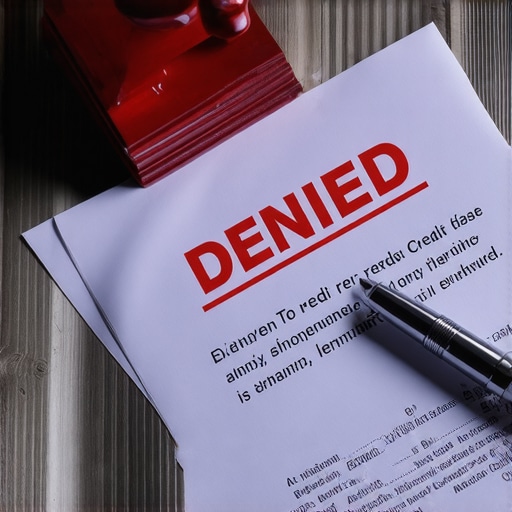
One of the most dangerous ‘oops’ factors I see occurs during the negotiation phase. Let’s say you finally get a collector on the line who seems nice. They offer a settlement, and you, feeling relieved, give them your debit card number over the phone. Stop right there. This is a massive tactical error. You should never give a debt collector your bank info or a debit card. Why? Because you’ve just given a person whose entire job is to take your money direct access to your primary source of survival. I’ve heard horror stories of ‘accidental’ double-charges that took weeks to reverse, leaving families unable to buy groceries or pay rent. Always pay by cashier’s check or a pre-paid card after you have the agreement in writing.
We also need to talk about why your score might take a dip even when you’re doing everything right. Have you ever noticed why your credit score drops when you pay off a loan? It feels like a slap in the face. You work hard to close out an account, and the algorithm punishes you because you’ve technically reduced your ‘credit mix’ or shortened your ‘average age of accounts.’ Understanding these nuances is the difference between a beginner who is frustrated and an expert who is in control. Have you ever fallen into this trap? Let me know in the comments. The road to financial freedom isn’t just about how much you pay, but how strategically you play the game.
To keep the financial game in your favor, you need a tech stack that works for you, not the banks. I’ve tried the flashy apps that promise to ‘boost’ your score instantly, but I’ve found they often provide a skewed reality. Instead, I rely on a simple, encrypted Google Sheet where I track my ‘Utilization Ratio’ manually every Friday morning. Why manually? Because it forces me to engage with the numbers. This is one of the most effective smart debt management practices for maintaining financial health because it removes the abstraction of digital spending. When I see my utilization creeping toward 30%, I know it’s time to pull back immediately, regardless of what my bank balance says.
Build a Fortress with Manual Tracking
While I love my paper folders for incoming mail, I’ve found that a dedicated digital archive is the ultimate backup for scaling your success. I use a Doxie portable scanner to digitize every single letter from a creditor the moment I’ve dealt with it. This creates a searchable PDF database on my local hard drive. If a debt collector calls about a ‘zombie debt’ from three years ago, I don’t panic. I just search ‘Utility Bill’ in my files and find the digital proof in seconds. Having this paper trail is vital when you are navigating financial challenges successfully. It turns you from a victim of the system into a litigator of your own life. Knowing how to use credit monitoring services without hurting your score is the final piece of the tech puzzle. I check my reports once a month, but I never obsess over the daily fluctuations that mean nothing in the long run. 
How do I maintain a high credit score without losing my mind?
The secret to long-term maintenance is the ‘Monthly Audit.’ On the first of every month, I compare my current balances against my available limits. This habit ensures I am mastering credit building proven strategies for a strong financial future by keeping my utilization low before the statement closing dates. Most people don’t realize that your ‘Balance-to-Limit’ ratio is reported on a specific day, not just at the end of the month. By auditing early, you can make a strategic payment to ensure the reported data looks perfect.
Trended Data is the Future of Lending
We are entering the era of ‘Ultra-FICO’ and ‘VantageScore 4.0,’ where your utility and rent payments can finally work in your favor. According to the FICO Score 10T technical specifications, trended data now allows lenders to distinguish between ‘transactors’—those who pay in full—and ‘revolvers’—those who carry balances. This means your habits over the next 24 months matter more than a single high-spending weekend. Staying ahead of these algorithm shifts is the core of the ultimate credit repair blueprint for 2025. In the future, the ‘snapshot’ of your credit will be replaced by a ‘video’ of your behavior. My challenge to you is to start today: Grab your last three credit card statements and calculate your current utilization for each. If even one card is over 28%, make it your primary target for the next 30 days and watch how the system rewards your precision.
What the Credit Bureaus Hope You Never Figure Out
After years of trial and error, I realized that the credit system isn’t designed to be fair; it’s designed to be profitable for lenders. Here are the hard truths I learned while digging myself out of that hole:
- The ‘Paid’ Status is a Trap: Just because you pay a collection doesn’t mean it disappears. Without knowing the tactics for getting a deletion after youve already paid, that negative mark stays on your record like a ghost.
- Automation is for Their Benefit, Not Yours: Banks love autopay because it makes you less likely to dispute a $15 ‘service fee.’ Manual tracking is the only way to catch how to fix the most common errors found in credit reports before they bake into your permanent history.
- You Don’t Need a Big Bank Balance: I used to think I couldn’t fix my score because my income was low. I was wrong. I discovered the only way to fix your credit when you have no money is through discipline and paperwork, not a high salary.
- Patience is a Strategic Asset: The system moves slow on purpose. If you stay consistent with your Sunday Sit-Downs, you will outlast the bureaucratic hurdles that stop most people.
The Minimalist Tools That Actually Move the Needle
You don’t need a $20-a-month subscription to stay organized. I personally use and trust these specific resources for long-term stability because they prioritize clarity over convenience:
The Doxie Portable Scanner: I mention this a lot because it changed my workflow. It’s tiny, rechargeable, and lets me turn physical bills into a digital fortress without needing a bulky office setup. Having an unhackable digital paper trail is a game changer when disputing errors.
FDCPA Resource Guide: Learn how to use the fair debt collection practices act to your advantage by reading the actual law. It’s the ultimate shield against aggressive collectors who count on your ignorance to pressure you into bad payments.
The Checklist Method: Before I apply for any major loan now, I use the checklist method for passing a loan application audit. It ensures my reports are clean and my utilization is perfect before a human ever looks at my file.
Manual Utilization Tracker: A simple spreadsheet is better than any app. It forces you to look at the numbers and realize that credit counseling secrets for smarter debt management in 2025 aren’t about magic—they’re about intentional math.
#IMAGE_PLACEHOLDER_E#
Stop Over-complicating Your Path to Freedom
Financial freedom isn’t about having a complex, automated system that runs on its own. It’s about being the person who knows exactly where their money is going and why. By ditching the apps and embracing a more tactile approach, you aren’t moving backward—you’re moving toward a level of control that most people will never achieve. Whether you are just starting out or refined in your process, the ultimate goal of credit repair is to give you back your peace of mind. Don’t wait for a notification to tell you it’s time to take action. Grab those folders and start today.
Have you ever found a physical bill or error that your banking app completely missed? Let me know in the comments below!