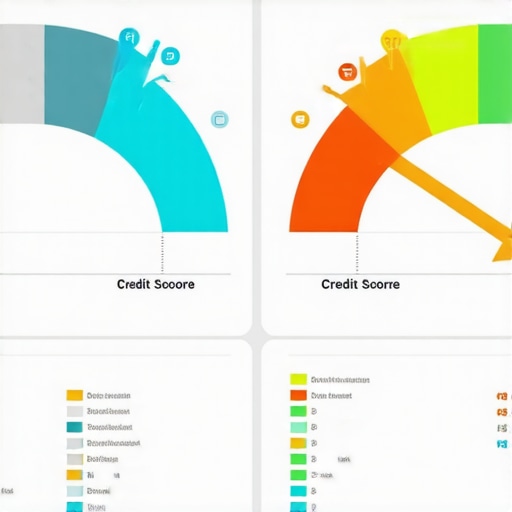
The Difference Between a Charge-Off and a Write-Off on Your Report
I’ll never forget the cold sweat that broke out when I saw the words ‘Charge-Off’ in bold red on my credit report for the first time. At that moment, I actually felt a tiny, misguided spark of hope. I thought, ‘Hey, if they wrote it off, that means it’s gone, right?’ I was dangerously wrong. I spent the next six months dodging collection calls and watching my score tank because I didn’t understand that accounting terms and credit scores don’t speak the same language. If you’re staring at your screen wondering if you’re finally free or just entering a new level of financial purgatory, I’ve been exactly where you are. Today, I’m going to pull back the curtain on these terms so you can actually start fixing the damage without the guesswork.
Stop Panicking Over That Charge-Off Label
When a bank ‘charges off’ your debt, they aren’t doing you a favor or forgiving your balance. It simply means they’ve moved your account from the ‘assets’ column to the ‘loss’ column on their internal ledgers for tax purposes. I made the massive mistake of thinking this was a get-out-of-jail-free card. In reality, it’s often just the beginning of a more aggressive phase where your debt is sold to third-party buyers. You might find yourself needing debt management secrets to tackle debt before it takes over because that ‘charged-off’ debt is still legally valid. According to the Consumer Financial Protection Bureau, a charge-off does not mean you are released from your responsibility to pay the debt; it is merely a declaration by the creditor that they do not expect to be paid.
Is a write-off just a fancy way of saying I am off the hook?
This is the specific question that kept me up at night back then. The short answer is no. A ‘write-off’ is essentially the same thing as a charge-off—it’s a clerical move. The confusion happens because we hear the word ‘write-off’ and think of a clean slate. I wish I had known some effective credit repair tips to boost your score today before I let that misunderstanding lead to a lawsuit from a debt buyer. We’re going to look at how to navigate this status and what steps actually move the needle on your score. Have you ever looked at your credit report and felt like you needed a law degree just to understand a single line item? You aren’t alone, and it’s not as permanent as it looks.
Audit Your Reports Like a Professional
Before you spend a single dime or make a phone call, you have to see exactly what the bureaus are saying about you. Most people assume their credit report is an objective truth, but it’s more like a messy game of telephone. I used to think the numbers were set in stone until I learned how to get your credit report for free without hidden fees and realized three different agencies were reporting three different balances for the same old credit card. You need to look for dates that don’t match or accounts that should have aged off. Treat this like a crime scene investigation where you are the lead detective.
Stop Taking Their Word for It
Once you find that charge-off, your first instinct is probably to call and apologize. Don’t. Your first move should be demanding proof. This is where you use the method of verification letter every credit repair diyer needs to force the creditor to show their work. If they can’t produce the original contract or a proper accounting of the debt, they legally cannot report it. I remember a specific time I applied this to a $400 medical bill. I sent a crisp, professional letter asking for verification, and it turned out the collection agency didn’t even have the original intake form from the doctor’s office. Because they couldn’t verify the debt within 30 days, the law forced them to delete it entirely. That’s why it is vital to know how to dispute a debt when the creditor has no proof. 
Turn the Tables with Strategic Negotiation
If the debt is verified and accurate, you still have leverage. Debt buyers purchase these charged-off accounts for pennies on the dollar. If you owe $1,000, they might have bought it for $50. This gives you massive room to negotiate. You want to aim for a ‘pay for delete’ agreement. This is the holy grail of credit repair where you agree to pay a portion of the debt in exchange for them removing the negative entry from your report. I’ve seen people settle for 30% of the original balance and get the black mark scrubbed clean. You can learn how to negotiate a pay for delete deal with scrappy debt buyers to make sure you aren’t just throwing money away for a ‘paid’ status that still hurts your score.
Keep Your Mouth Shut During the Call
When you finally do talk to them, be extremely careful with your wording. Admitting the debt is yours can actually restart the statute of limitations in some states, essentially ‘resetting’ the clock on how long they can sue you. You need to learn how to handle collections without admitting ownership of the debt. It feels awkward at first, like you’re being a bit of a lawyer, but it’s the only way to protect your financial future.
Start Building While You Are Still Cleaning
While you are fighting the old ghosts on your report, you have to plant new seeds. You can’t just delete the bad; you have to add the good. Think of your credit score like a garden: pulling weeds (disputing errors) is great, but if you don’t plant flowers (new credit), you just have a patch of dirt. One of the most effective ways I found to do this without getting into more trouble was using a credit builder loan. You can how to use a credit builder account to save and build score simultaneously. It’s like a forced savings account that reports to the bureaus every month. Within four months of opening mine, my score jumped 45 points just from the consistent ‘on-time’ payment history appearing next to those old charge-offs.Even when you’re doing everything ‘right,’ there are nuances that most ‘experts’ on social media completely ignore. One of the biggest myths is that paying off a collection account immediately boosts your score. I’ve seen people flush thousands down the drain only to see their score drop by 20 points the next week. Why? Because many lenders still use FICO Score 8 or older models. When you pay an old, dormant collection, the ‘date of last activity’ updates to today. To the algorithm, it looks like a brand-new negative event instead of a three-year-old mistake. This is where top credit repair myths busted by experts in 2025 come into play—you have to know which version of FICO your lender is looking at before you make a move.
The Debt Consolidation Trap No One Mentions
Everyone talks about consolidation like it’s a magic wand. ‘Take one loan, pay off five cards!’ It sounds great until you realize you haven’t fixed the spending habit that got you there. In fact, a study by the Federal Reserve Bank of Cleveland found that many consumers who use a consolidation loan to pay off credit cards actually end up with significantly higher total debt within two years because they keep the original cards open and run them back up. I call this the ‘phantom limit’ effect. If you’re going this route, you need to be aware of the secret to spotting credit counseling scams early so you don’t end up in a program that charges massive upfront fees without actually changing your financial behavior.
Does settling an old account always lead to a higher score?
Not necessarily. If you don’t secure a ‘pay for delete’ agreement, a settled account stays on your report for seven years from the original delinquency date. While ‘Paid’ looks better to a human mortgage underwriter, it does very little for the math behind your automated credit score. Instead of blindly paying, I recommend using how to remove a paid collection from your credit history techniques to ensure the record is gone for good. 
Master the Math of Timing
Another nuance is the ‘statement closing date’ versus the ‘due date.’ Most people pay on the due date and wonder why their utilization is still through the roof. If your statement closes on the 15th, but your due date is the 10th, the balance you carry on the 15th is what gets reported to the bureaus, even if you paid the full bill five days earlier. You can use the logic behind the 15-15 rule for credit card payments to effectively ‘hack’ the reporting cycle. By making two smaller payments a month, you ensure that the balance reported is always at its lowest. Have you ever fallen into this trap of paying on time but seeing no score movement? Let me know in the comments.The real secret to staying out of the credit repair loop isn’t a fancy app; it’s a simple, manual feedback loop. While everyone else is busy syncing their bank accounts to buggy third-party apps, I found that the best way to track monthly expenses without stress is a basic, custom spreadsheet. Why? Because when you have to type the number 54.00 for a takeout meal, your brain processes the impact differently than an automated notification. This manual awareness is what builds the discipline needed for mastering credit building proven strategies for a strong financial future. I personally use a simple three-column ledger—Date, Amount, and Impact—to keep my eyes on the prize. 
How do I maintain my credit momentum over time?
Maintenance is actually harder than the initial repair because the emergency is gone. To stay on top, you need to implement smart debt management practices for maintaining financial health that run on autopilot. This means setting your minimum payments to auto-pay while manually pushing extra funds toward the principal. According to FICO’s technical brief on the Resilience Index, lenders are shifting their focus; they aren’t just looking at your score anymore, but at how resilient you are to market shifts. By keeping your total available credit high and your balances near zero, you signal to their algorithms that you are a safe bet even in a recession.
Why the Future of Credit Belongs to the Data-Rich
Looking ahead to the next few years, I predict we will see Alternative Data becoming the new standard. Your utility bills and even your Netflix subscription are already starting to count toward your profile. You can jump ahead of this curve by learning credit building hacks fast track your credit score using these unconventional reporting methods. The the ultimate credit repair blueprint for 2025 is less about fighting old ghosts and more about building a data-rich profile that proves you are a responsible spender in the digital age. If you want to see a real jump in the next 30 days, I challenge you to try a targeted strategy. You can learn how to use a credit builder account to save and build score and commit to one full month of manual expense tracking. It’s the combination of the right tools and the right mindset that changes everything for the long haul.
The Hard Truth About My Five-Year Credit Recovery Journey
Looking back, the biggest lightbulb moment wasn’t finding a loophole; it was realizing that credit bureaus are just data aggregators, not judges. I wasted years feeling guilty when I should have been focused on credit repair as a business transaction. I learned that the ‘Date of Last Activity’ is the most dangerous date on your report; one wrong phone call can accidentally refresh it and keep the damage visible for another seven years. Physical mail remains the only way to ensure a human actually reviews your documentation—digital portals are often just filters designed to keep you in the system.
My Personal Gear for Slaying Debt Monsters
To really get ahead, you need more than just hope. I highly recommend diving into the ultimate credit repair blueprint for 2025 to see how the landscape is shifting toward digital verification. I also personally trust the specific workflows found in effective credit repair techniques for a fresh financial start when I need to draft a formal dispute. If the math feels overwhelming, looking into credit counseling secrets for smarter debt management in 2025 can provide a structured roadmap that removes the emotional guesswork from the process. #IMAGE_PLACEHOLDER_E#
Your Path to a Clean Slate Is Closer Than It Looks
You’ve already done the hardest part: you’ve stopped ignoring the problem. Whether you are dealing with a fresh charge-off or an old write-off, remember that these are just temporary entries in a digital ledger. By staying consistent and learning how to avoid the most common credit repair mistakes, you are taking back control of your financial narrative. Credit repair isn’t an overnight miracle, but it is a guaranteed result if you follow the rules of the Fair Credit Reporting Act. Don’t let a mistake from three years ago dictate where you live or what you drive three years from now.
Have you ever successfully removed a charge-off from your report using a verification letter? Let me know your experience in the comments below!