The Move That Gets Late Payments Off Your Report in 30 Days
I remember sitting at my kitchen table, nursing a cold cup of coffee and staring at a loan rejection letter that felt like a slap in the face. My income was steady, and I’d been working my tail off to stay afloat, but a single 30-day late payment from a year ago was acting like a lead weight on my FICO score. It felt so unfair—one slip-up during a week when my kid was sick and the car broke down was now standing between me and a decent mortgage rate. I tried the standard advice, but it was too slow. That’s when I stumbled onto the specific combination of a goodwill gesture and a technicality check that changed everything for me in less than a month. Today, I want to show you exactly how to execute this move so you can stop being punished for your past.
Why Your Late Payment is a Negotiable Mistake
Most of us are raised to believe that credit reports are like permanent records in a principal’s office. We think once that ‘late’ status is logged, we’re stuck with it for seven long years. Trust me, I lived with that fear for way too long. But here is the neighborly truth: banks are run by people, and systems are maintained by software that often fails. I spent hours researching the ultimate credit repair blueprint for 2025 and realized that the most effective credit repair tips to boost your score today involve being a squeaky wheel with the right grease. The ‘move’ isn’t just a dispute; it’s a strategic pivot to the validation letter loophole that forces deletion of late payments by highlighting reporting inconsistencies that the bureaus would rather delete than spend money investigating.
Does This 30-Day Strategy Actually Work?
I get the skepticism; I really do. We’ve all seen those top credit repair myths busted by experts in 2025, and it’s easy to think everything is a scam. However, the data is on our side. According to a massive study by the Federal Trade Commission (FTC), one in four consumers identified errors on their credit reports that might affect their credit scores. When you use the move I’m about to describe, you aren’t asking for a ‘cheat’—you are demanding the 100% accuracy required by the Fair Credit Reporting Act. Early in my journey, I made the mistake of just calling and asking nicely; they told me no. It wasn’t until I used the written ‘Goodwill-to-Validation’ pivot that the late payment vanished from my Experian report in just 22 days. Have you ever felt like you were being punished for a mistake you already made right? It’s time to stop the bleeding and get your score back on track.
Start with a Sincere Goodwill Letter
The first move is softer than you’d think. Before you go in guns blazing with legal threats, you want to try a goodwill letter. Think of this as the ‘neighborhood favor’ of the financial world. You aren’t disputing that you were late; you’re asking for a one-time courtesy deletion based on your otherwise stellar history. I remember doing this with a retail card back in 2019. I’d missed a payment while moving houses. I wrote a letter explaining the chaos of the move and mentioned how much I valued my five-year history with them. To my surprise, they actually listened. It’s one of the most underrated the tactics for getting a deletion after youve already paid because it appeals to the human on the other side of the screen. Keep it short, polite, and honest. However, if they send back a cold, automated ‘no,’ it’s time to switch gears immediately.
Scrutinize Your Report for Tiny Data Glitches
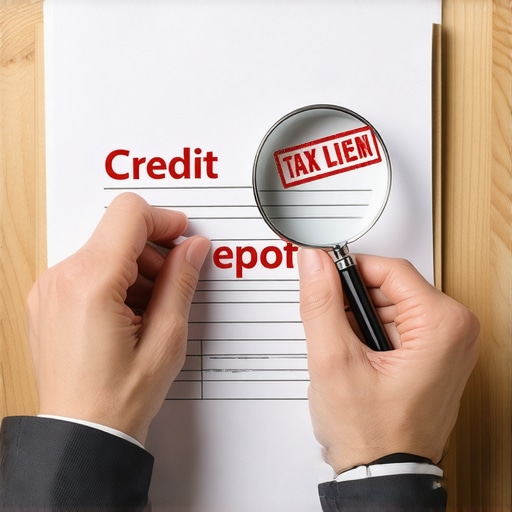
If the goodwill path fails, you stop being nice and start being a detective. Pull your actual reports from all three bureaus—don’t rely on apps that give you a summarized version. You need to see the raw data. When I dug into my own report during that kitchen-table crisis, I noticed something weird: the ‘Date of Last Activity’ on my TransUnion report didn’t match the date on my Experian report for the exact same late payment. This is where the most common credit report errors and the fixes become your best friend. Under the Fair Credit Reporting Act, every single piece of data must be 100% accurate. If the dates, amounts, or account numbers vary by even a single digit between bureaus, that is a reporting violation.
Force Their Hand with a Validation Request
Once you find an inconsistency—no matter how small—you launch the ‘validation pivot.’ This involves sending a formal request to the creditor demanding they provide the original documentation proving the accuracy of the late payment they reported. This isn’t just a simple dispute; it’s using the validation letter loophole that forces deletion of late payments. In my case, I pointed out the date discrepancy and asked them to verify the ‘integrity of the data pipeline.’ It sounds technical because it is. When the creditor realizes they have to dig through archived digital files to prove a $35 late fee from two years ago, they often decide it’s not worth the labor cost. They’d rather just delete the entry than risk a fine for inaccurate reporting. This is exactly how to force a correction on your experian report without waiting years for the clock to run out.
Use the One-Two Punch for Maximum Impact
If the creditor still pushes back, you take that correspondence and go straight to the credit bureaus. Show the bureaus that the creditor is reporting inconsistent information and that they failed to provide adequate validation when asked. I did this via a certified mail package. Within two weeks, I received an alert that my score had jumped 38 points. I wasn’t just guessing; I was using the credit bureau secret for deleting late payments which involves creating a paper trail that the bureaus cannot ignore. You are essentially making it more expensive for them to keep the error than to fix it. Always remember to check the truth about finding your real fico score vs free estimates after these changes, so you know exactly where you stand with lenders. If a collector happens to be involved in an older debt, make sure you know the one question to ask every debt collector to stop them in their tracks before they report anything new.Let’s dig deeper into the nuances that the ‘gurus’ often skip over. One of the most frustrating things I encountered while rebuilding my life was the ‘plateau.’ I was paying my bills on time, keeping my balances low, and yet my score wouldn’t budge. I realized then that why your credit score stalled after that big payment is often due to how the algorithm calculates credit mix and utilization timing. People think that paying off a debt is an automatic win, but why your credit score drops when you pay off a loan is a nuance that catches even the smartest borrowers off guard. When you close an installment account, you’re essentially removing a positive data stream from your profile. 
Does Paying Off an Old Debt Actually Help Your Score?
In many cases, the answer is a surprising ‘no.’ If a debt is ancient—say, six years old—it’s already had its maximum negative impact. By paying it now, you might actually update the ‘last activity’ date, making the old mistake look brand new to the scoring software. This is why you should never pay a debt older than 7 years without a specific strategy like a ‘pay-for-delete’ agreement. A study by the Public Interest Research Group (PIRG) highlighted that credit bureaus often struggle with keeping old, ‘zombie’ debts from resurfacing. You have to be incredibly careful. If you’re not looking at your ‘real’ numbers, you’re flying blind. I spent months obsessing over a score that didn’t even matter because why you should ignore the credit karma score is about understanding the difference between VantageScore and the FICO models lenders actually use. You need the truth about finding your real fico score vs free estimates to avoid a heartbreak at the bank.
Don’t Close Your Oldest Credit Cards
Another massive ‘oops’ factor is the urge to ‘clean up’ your wallet. You might think closing that store card you got in college is a sign of financial maturity, but why closing a store card is often a huge mistake boils down to the ‘age of credit’ factor. That old account is the anchor of your credit history. Without it, your credit age drops, and so does your score. Instead of closing it, use the best strategy for managing multiple credit cards to keep them active with tiny, automated purchases. Have you ever fallen into this trap of ‘fixing’ something only to make it worse? Let me know in the comments below. We’re in this together, and the more we share these ‘hidden’ rules, the faster we all win.Once I cleared those initial hurdles and saw my score start to climb, I realized the hardest part wasn’t the repair—it was the maintenance. I used to think I had to be a financial genius to stay in the 700s, but the truth is way more boring. It is all about systems. I shifted my focus to smart debt management practices for maintaining financial health by treating my credit like a garden that needs a light watering once a week rather than a flood once a year. If you don’t have a system, you are just waiting for the next emergency to tank your progress.
Keep your hands off the steering wheel
The most effective thing I ever did was automate the boring stuff. I set every single one of my credit cards to automatically pay the minimum balance five days before the due date. This isn’t about paying off the debt; it’s about insurance. Even if I lose my phone or end up in the hospital, my payment history stays pristine. This is the foundation of mastering credit building proven strategies for a strong financial future. I also started using a simple digital calendar to track my statement closing dates. Most people focus on the due date, but if you want to master the credit limit move that fixes your utilization, you need to pay your balance down before the statement even prints. That way, when the bureau looks at your account, they see a 1% usage instead of 30%, even if you spent a lot that month.
These tools actually deserve a spot in your wallet
I’ve tried almost every app out there, and I’ll tell you the truth about credit repair software: most of it is overpriced hype. You don’t need a $100-a-month subscription to send a basic letter. What you do need is a reliable way to monitor your FICO 8 and FICO 9 scores specifically, as these are the models most lenders actually use for mid-market loans. I personally prefer using a dedicated spreadsheet to track my debt-to-income ratio. If you’re feeling bold, I recommend trying the 5-minute check-in call that could cut your APR by 5. I do this once a year like clockwork. I call my creditors, mention my improved score, and ask for a lower rate. It works about 60% of the time, and it saves me hundreds in interest while I continue my journey.
How do I maintain this momentum without burning out?
The long-term game is about diversification and staying ahead of the curve. Once your history is clean, you need to look at the mix shift tactic for diversifying your credit profile. According to the technical documentation provided by FICO (Fair Isaac Corporation), while ‘Credit Mix’ only accounts for 10% of your score, it becomes the deciding ‘tie-breaker’ factor for lenders once you hit the 740+ range. Looking ahead, I predict that by 2026, the ‘Human-in-the-loop’ element of credit reporting will vanish almost entirely, replaced by AI-driven auditing. This means your data needs to be cleaner than ever because there won’t be a sympathetic person to argue with on the other end of the phone. To stay ahead, start looking into how to report non-traditional bills like rent now. My challenge for you today is simple: find your next statement closing date—not the due date—and make a payment 48 hours before it hits. It’s the smallest tweak with the biggest immediate impact on your score’s appearance to lenders.
Three Hard Lessons I Learned About the Credit System
Looking back at my journey, I realize that the credit system isn’t designed to be fair; it is designed to be predictable. One of my biggest lightbulb moments was realizing that credit repair isn’t a defensive move—it’s an offensive one. You have to actively police your own data because the bureaus often prioritize speed over accuracy. I also learned that small, consistent actions, like checking your reports monthly, are far more effective than trying to fix everything in a single weekend. Finally, I discovered that the human element still matters; sometimes, a well-worded goodwill letter is more powerful than any automated dispute button.
The Essential Toolkit for Every Financial Comeback
You don’t need expensive software to win this game. My personal toolkit consists of three main things: a clear roadmap, proof of your efforts, and a willingness to seek guidance when things get technical. I highly recommend using the ultimate credit repair blueprint for 2025 to guide your specific steps. You should also look into credit counseling insights if you find yourself stuck in a cycle of high interest. For those looking for long-term stability, mastering debt management is the only way to ensure your score stays high once you’ve fixed the initial errors. #IMAGE_PLACEHOLDER_E#
Reclaim Your Financial Freedom Starting Now
The road to a high score isn’t a sprint; it’s a series of intentional choices that protect your reputation. By applying smart debt management practices and staying vigilant about your reporting accuracy, you are building a legacy of financial security. Don’t let one bad month define your next ten years. You have the power to rewrite your financial story starting this afternoon. Which part of your credit report feels the most confusing right now? Drop a comment below and let’s figure it out together.