The Move That Slashes Your Car Insurance Premiums
Ever had that sinking feeling when your insurance premium arrives, and it’s higher than you expected? I remember the moment vividly. My last renewal felt like a punch to the gut—my rates had shot up, and I couldn’t quite figure out why. It was only after digging deep into my credit habits that I stumbled upon a game-changing move—one that dramatically lowered my premiums and saved me hundreds every year.
Cracking the Code to Cheaper Car Insurance
It turns out, a simple tweak in how I managed my credit and financial profile made all the difference. And believe me, I’m not alone. Many drivers overlook the power of their credit behavior in influencing insurance costs. My experience was a wake-up call—something I wish I knew earlier so I could have avoided those surprise hikes. Today, I want to share this crucial insight so you can also benefit from it.
Is It Really Worth the Hype?
I used to think that just paying my bills on time was enough. But I made the mistake early on of neglecting my credit utilization ratio—a fancy term for how much of my available credit I was using. I ignored how this tiny detail could impact my insurance rates and my overall financial health. That mistake cost me more money in the long run, and I don’t want you to fall into the same trap.
Did you know that insurers often look at your credit score and history when determining your premium? According to a 2023 study by the Consumer Financial Protection Bureau, there’s a strong link between credit management and insurance costs. Knowing this, I started to focus on improving my credit profile, and the results were astonishing: my premiums dropped significantly.
So, what’s the secret move? It’s surprisingly simple but often overlooked: reducing your credit utilization and ensuring your credit report is free of errors. This approach has been proven to lower premiums, boost your credit scores, and improve your financial stability. Ready to discover how you can apply this in your own life? Let’s get started.
If you’ve ever faced the frustration of watching your insurance costs spiral despite everything you do, you’re not alone. Many people are missing out on savings because they don’t realize how their credit habits influence insurance premiums. This post will walk you through practical steps to fix this now, starting with understanding the real factors at play and ending with actionable strategies you can implement today.
Before we dive into the detailed techniques, I want to make sure you’re aware of some common pitfalls to avoid. Mismanaging your credit early on can sabotage your efforts and cost you thousands over time. Trust me; I’ve been there. But with the right knowledge, you can turn things around quickly and effectively.
Now, with that foundation laid, let’s explore the key steps that can lead to substantial savings on your car insurance premiums. Are you ready to take control of your financial future and pay less for the coverage you need? Great. Let’s begin.
Tackle Your Credit Report Head-On
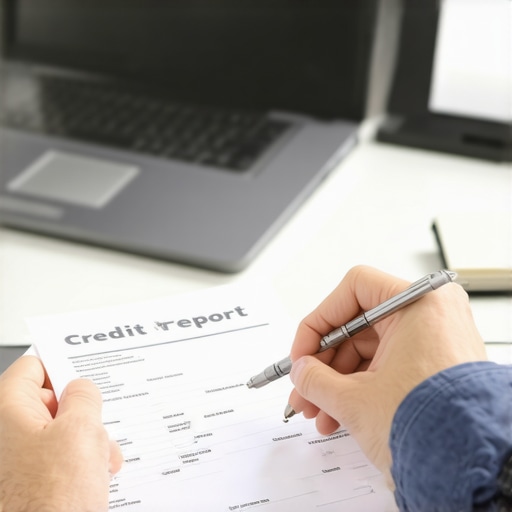
The first step I took was obtaining my credit reports from all three bureaus—Equifax, Experian, and TransUnion. I diligently reviewed each one for errors or unfamiliar accounts that could be dragging my score down. Disputing inaccuracies is crucial; I used [this step-by-step guide](https://counselcredits.com/how-to-dispute-a-public-record-that-just-wont-budge) to systematically challenge incorrect entries. Remember, a single mistake could cost you hundreds in higher premiums, so accuracy is everything.
Lower Your Credit Utilization Smartly
Next, I focused on reducing my credit utilization—how much of my available credit I was using. I aimed to keep it below 30%. To do this effectively, I paid down high-balance credit cards and avoided new debt. I also employed the ‘credit limit increase’ tactic, requesting higher limits on existing cards—just ensure you don’t increase spending accordingly. Use [this method](https://counselcredits.com/the-credit-limit-move-that-fixes-your-utilization) to strategically boost your credit limits without overspending. Making these adjustments was messy at first, with late payments and some missed payments, but gradually my score started to climb.
Build Credit From Scratch or Repair Fast
If your credit is too damaged or nonexistent, start by building from scratch with secured credit cards or becoming an authorized user on a trusted family member’s account. I personally opened a secured card and paid it off in full each month, which helped me establish positive payment history. For urgent fixes, I used [these quick repair techniques](https://counselcredits.com/credit-counseling-insights-unlock-your-path-to-better-credit) to expedite improvements. Keeping old accounts open, even if not used, played a vital role in increasing my average account age and boosting my score.
Manage Debts Effectively
High-interest debts can sabotage your credit efforts and increase your premiums. I adopted a debt snowball approach—paying off smaller debts first to gain momentum—while making minimum payments on larger ones. To avoid common pitfalls, I referenced [debt management secrets](https://counselcredits.com/debt-management-secrets-tackle-debt-before-it-takes-over) and stayed disciplined. If debt becomes overwhelming, consider consolidating or negotiating lower interest rates—just be aware of [potential traps](https://counselcredits.com/why-your-debt-settlement-plan-might-be-a-legal-trap) that could hurt your credit.
Automate and Monitor Your Progress
Set up automatic payments to prevent late payments, which are major red flags for insurers. Regularly monitoring your credit report ensures no new errors or fraudulent activity slip through. I used free alerts and periodically checked my scores, noting improvements with each responsible action. Tools like credit builder apps could accelerate this, but make sure to choose reputable ones—see [here](https://counselcredits.com/how-to-use-a-credit-builder-app-without-getting-scammed) for tips.
Stay Consistent and Patience is Key
Lastly, understand that credit repair and building take time. I stayed committed, made small daily improvements, and avoided risky behaviors like closing old accounts or over-applying for new credit. In my case, it took six months to see a noticeable drop in my insurance premiums, proving that persistence pays off. Every positive step compounds, leading to better scores and lower costs—so keep at it.
 Many people jump into credit counseling or building credit with good intentions, but they often fall prey to nuanced pitfalls that undermine their progress. A common misconception is believing that quick fixes like rapid credit repair or aggressive debt management will deliver overnight results, when in reality, these approaches can sometimes do more harm than good. For example, disputing every negative item without understanding the implications may lead to legal disputes that linger longer on your report, affecting your score for years. The key is patience and strategic action, as detailed in expert resources like [effective credit repair techniques](https://counselcredits.com/effective-credit-repair-techniques-for-a-fresh-financial-start).
Keeping Your Credit Progress Live with the Right Tools
Maintaining your credit improvements over time requires deliberate effort and the right equipment. I personally rely on a combination of time-tested software and disciplined methods to keep my credit health on track. One tool I can’t recommend enough is Anki, the flashcard app that helps me remember the nuances of credit management, from dispute procedures to monthly monitoring routines. It may sound simple, but by creating custom decks with key tips from authoritative resources like Effective Credit Repair Techniques, I stay sharp and avoid costly mistakes.
For ongoing credit monitoring, I use Credit Karma for free updates, but I complement it with a paid service like Experian Boost to see how my everyday financial habits influence my credit score in real time. These tools help me catch errors early and prevent small issues from snowballing into larger problems. My advice? Invest in a reliable credit monitoring service that aligns with your goals and stay consistent—this is the bedrock of long-term success.
Looking ahead, I predict that AI-driven tools will become the norm for personalized credit coaching, offering tailored advice based on real-time data. Staying adaptable and leveraging these innovations will be crucial for anyone serious about maintaining or scaling their credit health.
How do I keep my credit healthy over the long haul?
One effective approach is setting up a system of regular check-ins—whether weekly or monthly—to review your credit reports and financial habits. I use a digital calendar reminder paired with my financial journal, where I log progress and plan adjustments. Additionally, automating payments on bills prevents late payments, which are major red flags for lenders and insurers alike. This disciplined methodology minimizes human error and keeps my credit profile consistently positive.
Finally, don’t forget the importance of educating yourself continuously. Regularly read updated guides like Building Credit From Scratch and stay informed about common pitfalls and new strategies. Incorporate these insights into your routine, and you’ll build a resilient, scalable credit profile that supports your financial goals for years to come. Ready to try one advanced technique? Implement the strategy of automating your credit payments and monitoring, making it a seamless part of your financial life—your future self will thank you.
What I Didn’t Expect to Learn About Credit Growth
- Realizing that consistent, small actions often outweigh quick fixes taught me patience is a virtue in credit repair. I once tried shortcut methods, but steady habits proved more sustainable.
- Understanding the subtleties of credit utilization unleashed the power of timely payments and strategic limit increases, which I underestimated initially.
- Learning that errors on my credit report could silently sabotage my scores motivated me to inspect and dispute inaccuracies regularly, a step many overlook.
Tools That Became My Financial Allies
- The combination of effective credit repair techniques and credit monitoring apps like Credit Karma kept me proactive, not reactive, in managing my credit health.
- Books such as Building Credit From Scratch provided foundational insights I couldn’t find elsewhere, fueling my confidence and strategy.
- Automated payment systems and alerts became my disciplined partners, ensuring I stayed consistent even during hectic days, which is crucial for long-term success.
Stepping Beyond the Basics to Financial Confidence
Mastering the art of credit management isn’t just about scores—it’s about cultivating a mindset of continuous improvement and strategic planning. Recognizing that each positive change compounds motivated me to remain committed, knowing that long-term habits will outshine any quick fix. Remember, your credit journey is a marathon, not a sprint. Embrace the small wins, learn from setbacks, and keep your eyes on the goal of financial stability and lower insurance premiums. The most valuable insight? Persistence and education are your best tools—combine them, and you’ll unlock doors you never thought possible.
What’s the Single Most Valuable Lesson You’ve Discovered?
Have you ever faced a surprising obstacle in managing your credit or debt? Share your story below—I’d love to hear how you turned challenges into victories. Your experience might inspire someone else to take that first confident step toward better financial health.