
The Script to Use When a Debt Collector Calls Your Workplace
My desk phone rang at 10:15 on a Tuesday morning, right in the middle of a team meeting. When I answered, hoping it was a client, a cold, aggressive voice asked for me by my full name and immediately demanded payment on an old medical bill. My heart dropped. I could feel my face burning as my coworkers sat just feet away, pretending not to listen. In my panic, I made a massive mistake: I started arguing with the collector right there at my desk, trying to explain my side. It was embarrassing, unprofessional, and entirely preventable. I didn’t know back then that I had the legal right to shut that conversation down in seconds. Today, I am going to share the exact, stress-free script you can use to protect your job and your dignity the moment a collector breaches your workspace. You do not have to endure the anxiety of having your personal financial struggles put on display for your boss and colleagues.
Why Your Workplace Is a Debt Collector’s Favorite Playground
Debt collectors do not call your job by accident. They do it because it works. They know that the sheer embarrassment of a workplace call is a powerful lever to make you pay, even if you cannot afford it. However, the federal government actually protects you from this specific type of harassment. Under the Fair Debt Debt Collection Practices Act (FDCPA), collectors are strictly prohibited from contacting you at work if they know your employer forbids it. According to the Consumer Financial Protection Bureau, a simple verbal statement from you is often enough to put a legal barrier between a collector and your office phone line. Once you state that you cannot receive these calls at work, continuing to call you there becomes a direct violation of federal law.
Is this script actually going to make them stop, or will it just make them angry?
I get the skepticism. When you are dealing with aggressive agencies, it feels like any pushback will just make them dial your number more often. But debt collectors are running a business, and they absolutely hate lawsuits. When you use the right words, you signal that you know your rights, and they will quickly back off to avoid costly legal penalties. If you are tired of living in fear of the next ring, you can also learn how to legally stop debt collectors from contacting your job permanently. Have you ever had your phone ring at work and felt that sudden surge of panic? Let me know in the comments below, because you are definitely not alone in this fight.
The Exact Script That Shuts Down Workspace Calls
The next time your office line rings and you hear that familiar, aggressive tone, do not panic and do not argue. Under federal law, you do not need to prove your employer has a written policy against personal calls; you simply need to state that your employer does not permit them. Here is the exact, word-for-word script I used to reclaim my peace of mind: “I am at work right now and my employer does not allow me to receive personal or collection calls here. Do not call me at this number or my place of employment again.” Do not wait for a response, do not confirm your mailing address, and do not discuss the underlying debt. Hang up immediately.
How I Handled the Collector’s Attempt to Push Back
When I first used this script, the collector tried to talk over me, saying, “We just need to verify your address to send some documents first.” My natural instinct was to comply just to get them off the phone, but I held my ground. I repeated the script once more, clearly and slowly, and then clicked end call. It felt incredibly messy, and my hands were shaking so hard I spilled my coffee. But you know what? The phone did not ring again that day, or the next. By asserting your rights clearly, you are not just stopping a nuisance; you are setting a boundary that allows you to address the root issue on your own terms. For those looking to clean up their files permanently, utilizing effective credit repair techniques for a fresh financial start can help prevent these collection agencies from ever having a reason to call you in the first place.
Protect Yourself by Creating a Written Paper Trail
While a verbal warning is legally binding under the FDCPA, debt collection agencies often operate in grey areas, and a rogue agent might still try their luck a week later. To prevent this, you must back up your verbal statement with a physical paper trail. Think of this step as your personal shield. Write down the exact date and time of your call, the name of the agent you spoke with, and the phone number they called from. Write a brief letter referencing the call and explicitly stating that your employer prohibits you from receiving personal calls at work. Send this letter via certified mail with a return receipt requested. This receipt is your golden ticket—it serves as concrete proof that the agency received your directive. If you are currently feeling overwhelmed by multiple creditors, learning about debt management secrets tackle debt before it takes over can help you organize your bills and stop the constant barrage of collection attempts.
What to Do If They Violate Your Written Request
If a collector violates your written notice and calls your workplace again, they have crossed into illegal territory. This is where you transition from defense to offense. Every single call they make after receiving your written notice can carry statutory damages of up to $1,000 per violation under the FDCPA. Keep a detailed log of every violation, including screenshotting your call history and saving any office voicemail messages. You can leverage these violations to negotiate or even dismiss the account. For those dealing with older debts, understanding the low stress strategy for closing an old collections account can provide a clear roadmap to settle the matter permanently without destroying your mental health or your credit score.
The Deceptive Trap of Quick-Fix Dispute Strategies
Let’s dig deeper into what happens after you silence those aggressive phone calls. When people finally decide to clean up their financial profiles, they usually flock to the internet and find the same tired advice: dispute everything on your report and hope the bureaus fail to respond in 30 days. Most financial gurus claim this is the ultimate hack. In my experience, however, blindly firing off dispute letters is a recipe for disaster. This lazy approach often backfires because credit bureaus have sophisticated automated systems designed to flag repetitive or frivolous disputes. If you rely on templates you found online, you will likely find that your dispute letter got rejected by the credit bureau without a second thought. You cannot simply copy-paste your way to a perfect credit score. True credit rehabilitation requires identifying specific inaccuracies and backing them up with solid proof, rather than trying to game the system with blanket denials.
Is there a difference between paying a collection agency and actually fixing your credit score?
This is the ultimate question that separates beginners from experts. Most people assume that paying off a collection agency immediately heals their credit score. This is a massive, costly myth. The harsh reality of the credit scoring model is that a paid collection remains on your credit report as a negative mark for up to seven years unless you negotiate its removal beforehand. When you pay a collector without securing a written agreement to delete the entry, you are essentially giving away your leverage. In fact, a study by the National Consumer Law Center highlights how consumers frequently pay off old debts only to find their credit scores completely unchanged because the negative history remains. Before handing over a single dollar, you must understand the hidden dangers of pay for delete agreements you should know so you do not waste your hard-earned money. If you are struggling to make headway, looking into credit counseling insights to avoid common pitfalls in debt management can save you years of trial and error.
The Re-Aging Nightmare and How to Stop It
Another major trap that catches well-meaning consumers is the phenomenon of debt re-aging. When you engage with a collector—even just by making a tiny ‘good faith’ payment or verbally acknowledging that the debt is yours—you can inadvertently restart the statute of limitations on that old debt. Suddenly, an old medical bill that was about to fall off your credit report is legally revived, giving the collection agency a brand-new window to sue you or keep reporting the negative account. To avoid this nightmare, you must learn how to verify debt without getting sued. Understanding these legal nuances is what separates those who successfully rebuild their lives from those who remain trapped in a cycle of endless collections. Have you ever fallen into this trap or had a collector try to restart the clock on you? Let me know in the comments below.
The Exact Toolkit I Use to Maintain My Score Without Stress
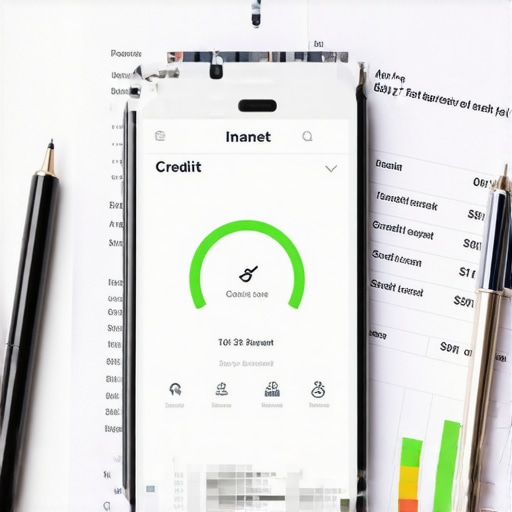
Once you clear the hurdle of stopping aggressive calls and correcting inaccurate items, the real challenge begins: maintaining your pristine credit report. I do not believe in spending hours tracking every penny on spreadsheets. Instead, I rely on a highly specific set of automated tools. My favorite foundational tool is a simple recurring calendar system paired with MyFICO alerts. While free monitoring services are tempting, they often use vantage scores which lenders ignore. I personally pay for professional monitoring to track actual FICO 8 and FICO 9 scores across all three bureaus. This ensures I see exactly what a lender sees before applying for any new line of credit.
For those managing active debts, automated budgeting apps are essential. I personally use YNAB (You Need A Budget) because it forces you to allocate every dollar to a specific job rather than just looking at past spending. Combining this structured methodology with smart debt management practices for maintaining financial health will safeguard your score from sudden drops. If you want a hands-off approach to score preservation, setting up automatic minimum payments on all active accounts is your best safety net against accidental late payments.
How do I maintain my credit score over time without constant monitoring?
The secret to effortless maintenance is structural automation. Set your credit card payment dates to align with your payday. I recommend paying your balances twice a month to keep your revolving utilization artificially low. This strategy is incredibly powerful because credit bureaus only capture your balance on a specific reporting date each month. By keeping your balances low through bi-weekly micro-payments, you ensure your report always reflects excellent utilization. If you are starting completely from scratch, checking out a step-by-step guide to credit building for new borrowers can help you establish the correct habits early on.
The Future of Credit Underwriting and Predictive AI
The credit landscape is changing rapidly. According to a recent report by the Fair Isaac Corporation (FICO), traditional scoring models are slowly being enhanced by trended data and artificial intelligence. In the very near future, static monthly snapshots will be replaced by real-time cash flow analysis. Lenders will look closely at your savings habits, utility payment history, and even rent payment consistency. This means that building credit is no longer just about managing credit cards; it is about proving overall financial stability. Utilizing mastering credit building proven strategies for a strong financial future is the best way to ensure your profile is ready for these modern underwriting systems.
If you want to stay ahead of the curve, I highly recommend trying one advanced tip today: contact your utility and streaming providers and opt into credit-reporting programs. Adding these positive, non-traditional payment lines to your profile right now is the easiest way to buffer your file against future changes in credit scoring models.
What Experts Won’t Tell You About the Realities of Debt Collection
Behind closed doors, collection agencies rely heavily on your psychological exhaustion. The biggest secret they keep is that they are deeply risk-averse when it comes to regulatory litigation. When you stand up for your rights, you shift the dynamic instantly. During my journey, I discovered three major truths about managing these high-stress situations. First, your employer is almost always more sympathetic than you think; they want you focused on your work, not dodging phone calls. Second, keeping a physical, dated notebook of every single interaction is more powerful than any expensive legal counsel. Third, ignoring the problem never makes it go away, but a systematic, calm approach will dismantle their pressure tactics every time. By adopting proactive smart credit counseling to rebuild your financial life, you take back the narrative and force collectors to play by the rules.
My Essential Toolkit for Financial Defense and Rebuilding
You do not have to navigate this stressful journey with just a phone script. Over the years, I have curated a highly specific toolkit that helps keep collectors at bay and builds credit safely. For tracking your real standing, I highly recommend bypassing the free, ad-heavy apps and using MyFICO to monitor your actual lender-used scores. When it comes to managing monthly cash flow so you never miss a payment, the envelope-budgeting philosophy of YNAB (You Need A Budget) is unmatched. If you are struggling with complex credit histories, utilizing effective credit repair techniques for a fresh financial start will serve as your blueprint. Finally, I always recommend keeping a template of a cease-and-desist letter handy; sending this via certified mail is the ultimate legal shield for your peace of mind.
Take Back Control of Your Workspace and Your Future
No one should have to sit at their desk in fear of the next phone ring. Reclaiming your peace of mind is not just about stopping a nuisance; it is about establishing your worth and protecting your career. By implementing structured smart debt management practices for maintaining financial health, you create a buffer between your personal life and your professional workspace. You have the legal tools, the exact scripts, and the right to demand respect from these agencies. Take a deep breath, write down your plan of action, and step into a future where you dictate the terms of your financial recovery.
Have you ever had a debt collector call your job or try to intimidate you at work? Let me know in the comments below, because sharing our stories is how we break the stigma and help each other win.