Why Every YouTube ‘Credit Repair’ Video Is Steering You Wrong
I remember the moment clearly—after spending hours watching YouTube videos promising quick credit fixes, I found myself more frustrated than ever. I tried a suggested method, only to see my score dip further. That lightbulb moment made me realize: not everything you see online is designed to help you. In fact, many credit repair videos can steer you wrong, leading to wasted time and even potential damage to your financial health.
The Real Reason You Should Be Wary of That Viral Credit Hack
As someone who’s been there, I understand how tempting it is to latch onto those easy solutions—after all, who doesn’t want a fast fix? But the truth is, credit repair is a nuanced process, and rushing can backfire. Countless individuals fall for common myths, like disputing every negative item on their report or attempting to delete accounts without understanding the consequences. Early on, I made the mistake of believing that all negative marks could be simply erased with a disputing letter—that’s a mistake I now know better and is a perfect example of the pitfalls that lurk in online advice. Did you know that some common credit repair tactics can actually harm your score in the long run? According to experts, attempting to remove accurate negative items without a valid reason can lead to disputes being marked as frivolous, which might limit your options for genuine corrections down the line.
So, what do you need instead? Since navigating credit repair can feel overwhelming, I want to share real, effective strategies that are backed by experts. But first, let’s address a persistent worry many of us have: “Is this even worth my time?” Keep reading to discover the truth behind the hype and learn how to truly improve your credit score without falling victim to scams or misleading advice.
Start by Checking Your Credit Report Thoroughly
The first step is to obtain your credit reports from all three bureaus—Experian, Equifax, and TransUnion—to get a clear picture of your current situation. Review each report meticulously, looking for any inaccuracies, outdated information, or fraudulent activity. To avoid missing any details, consider using a trusted service like credit counseling insights that can guide you through the process. Whenever you find discrepancies, dispute them formally, ideally via certified mail, to ensure your correction requests are documented and processed efficiently.
Dispute Negative Items and Clear Old Debts
Once you’ve identified inaccuracies, dispute them as soon as possible. For legitimate negative entries, evaluate whether they qualify for removal or if their impact can be mitigated through other means. For example, paid collection accounts may be removed by providing proof of settlement, while outdated derogatory marks might qualify for removal under the seven-year rule. Be aware that frivolous disputes labeled by bureaus can hinder your progress, so focus on legitimate errors. Remember, settling old debts can prevent collection agencies from further damaging your score, especially if they are nearing the seven-year mark.
Utilize Secured Credit and Become a Responsible Borrower
If you’re starting from scratch or rebuilding, consider opening a secured credit card—by depositing a small amount as collateral, you can demonstrate responsible usage. Make small purchases and pay them off in full each month to build a positive payment history. This practical approach is similar to planting seeds in a garden; consistent care yields healthy growth. To optimize your efforts, refer to building credit from scratch for a detailed step-by-step plan that aligns with your situation. Over time, your credit will become more resilient and your score will improve as long as you maintain good habits.
Reduce Your Credit Utilization Immediately
Your credit utilization ratio—the amount you owe versus your credit limit—has the most significant impact on your score. Aim to keep this ratio below 30%, but ideally under 10% for optimal results. If you have high balances, pay them down as quickly as possible, even if it means making extra payments within the billing cycle. Using a balance transfer card with a promotional low rate can help consolidate debt temporarily. Think of this as clearing the clutter on your desk to improve your workflow—less clutter, better results. Check your accounts regularly to ensure that payments are processed promptly, and avoid maxing out your cards in the first place.
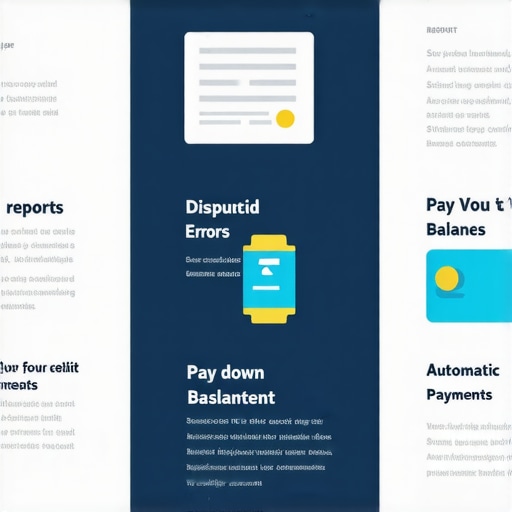
Image: Visual representation of credit utilization ratios with a focus on keeping balances low relative to credit limits.
Set Up Automated Payments for Consistency
One of the most reliable ways to maintain a good credit profile is by automating your payments. Late payments are among the top reasons for score drops and can stay on record for up to seven years. Setting up auto-payments for at least the minimum amount ensures timely payments, fostering positive credit history and avoiding unnecessary fees. Think of it like setting an alarm—you won’t forget to pay your bills when it’s automatic. Confirm that your bank processes these transactions on time, and adjust as your financial situation changes.
Build Credibility with Alternative Credit Data
If your traditional credit history is limited or thin, explore avenues like reporting on rent, utilities, or streaming subscriptions to augment your credit profile. Some services can report these payments to bureaus, enhancing your creditworthiness similarly to adding layers to a security system. This method is especially useful for new borrowers or those with disrupted credit histories. For detailed strategies, review building credit from scratch that can help you leverage alternative data sources effectively.
Many believe that the path to financial health is paved with quick fixes and universal rules. However, as an expert, I can tell you that such assumptions often lead you astray. One common misconception is that paying off debt quickly always improves your credit score. While reducing debt is beneficial, aggressively paying down certain types of debt without considering the impact on your credit mix can sometimes lower your score temporarily. For example, closing older credit accounts after paying them off might shorten your credit history, adversely affecting your score. Instead, focus on maintaining diverse credit types and a long credit history, as emphasized in our building credit from scratch guide.
Another myth is that disputing every negative item will instantly enhance your credit report. Many get caught up in the hope that every error is fixable; however, legitimate accounts—such as timely paid loans or consensual delinquencies—should be carefully reviewed before disputing, as frivolous disputes can backfire by damaging your credibility with bureaus. This aligns with expert insights found in our recent myth-busting article.
A common trap is the overreliance on debt consolidation loans. Although they can lower your interest rate, taking on new debt to manage existing debt can sometimes entrap you in a debt cycle if not done judiciously. The key is strategic debt management practices, like those discussed in smart debt management.
For those building credit, many assume that opening multiple new accounts in a short period will hasten score improvement. Conversely, opening several accounts too rapidly can signal risk and trigger hard inquiries, temporarily decreasing your score. Patience and measured growth are more effective, as outlined in our step-by-step approach.
Finally, be cautious of the myth that closings old credit cards will benefit your score. While it might reduce your available credit, it also shortens your average account age, which can reduce your score. The best strategy is to keep long-standing accounts open unless there’s a compelling reason to close them, explained comprehensively in our credit counseling secrets.
Navigating credit and debt management requires understanding these nuances and avoiding the common pitfalls. Don’t fall into these traps—every mistake can cost you time and financial opportunities. To deepen your knowledge and refine your approach, check out our detailed guides linked here. Have you ever fallen into this trap? Let me know in the comments.Keeping your credit healthy over the long run demands more than just initial effort; it requires the right tools, consistent maintenance, and a proactive mindset. One highly effective method I’ve personally adopted is leveraging specialized credit monitoring software like Experian’s CreditWorks Premium. This service not only provides real-time alerts on changes to your report but also offers detailed insights into your credit profile, helping me spot any unusual activity before it impacts my score. I also rely on budgeting apps such as YNAB (You Need A Budget), because they empower me to allocate funds precisely, ensuring I never miss a payment, which is crucial for maintaining a stellar credit history. Moreover, automating payments through my bank’s auto-debit feature has been a game-changer; it guarantees bills are paid on time, preventing late fees and score deductions, aligning with smart practices discussed in smart credit counseling. Looking ahead, the trend of integrating AI-driven financial advisory tools promises even more personalized and predictive maintenance strategies, making long-term credit health more accessible.
Ever Wonder How to Keep Credit Building Efforts Steady and Effective?’
Consistency is key. Regularly review your reports using the tools mentioned, dispute any inaccuracies promptly, and set automated reminders for milestone reviews. For those starting fresh or rebuilding, I recommend diving into building credit from scratch to tailor your strategy to your evolving needs. Ready to elevate your financial game? Try setting up an automated payment system today and observe how your credit score stabilizes and grows over time.
The Hardest Lesson I Learned About Credit Building and Repair
One of the most profound lessons was realizing that quick fixes often come with hidden pitfalls. Falling for viral hacks initially seemed convenient, but they frequently did more harm than good, emphasizing the importance of patience and informed strategies.
My Top Secrets for Staying Grounded During Credit Rebuilding
Consistency and education are my main tools. Regularly reviewing my credit reports, understanding the laws like the seven-year rule, and avoiding impulsive disputes helped me build genuine trust with my credit profile. These real-world habits are what make a lasting difference.
Why I Now Emphasize Strategic Habits, Not Quick Wins
Prioritizing responsible borrowing—like maintaining low credit utilization and automating payments—has transformed my approach. I’ve learned that sustainable progress involves building credibility over time, not just aiming for instant boosts. For guidance tailored to your journey, check out building credit from scratch.