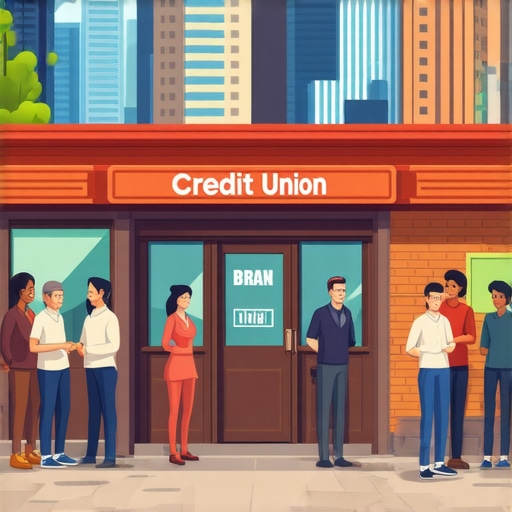
Why Most Credit Unions Beat Big Banks for Loans
It was a familiar scene for many: I sat at my kitchen table, staring at a pile of rejection letters from big banks, feeling that sinking frustration that comes with being turned down for a loan I desperately needed. I had always assumed that the size of the bank meant better rates and more approval power, but the harsh reality was quite different. That lightbulb moment hit me hard—big banks often prioritize their profits over helping regular folks secure loans. Since then, I’ve discovered a secret weapon that many overlook: credit unions.
Why Smaller Financial Institutions Sometimes Win the Race
For years, I believed that big banks were my best shot at favorable loan terms because of their resources and reputation. But slowly, I realized that credit unions, which are nonprofit entities, tend to offer lower interest rates, fewer fees, and more personalized service.
Studies have shown that credit unions often beat big banks by several percentage points on loan rates, saving borrowers hundreds or even thousands over the life of a loan. These differences might seem small at first glance but can significantly impact your financial health. The reason? Credit unions are member-focused and prioritize member success rather than shareholder profit. This focus means they’re often more willing to work with you, especially if your credit isn’t perfect. If you’ve faced rejection from large banks, don’t assume you’re out of options; a credit union might be your overlooked advantage.
In my own journey, I made the critical mistake of sticking only with the big banks, unaware that I was foregoing better options. Once I opened my eyes to credit unions, everything shifted. I was able to secure a loan with a lower interest rate, saving me money each month and making repayment less stressful. It’s a game-changer that I want you to experience too. Curious how to make this switch work for you? Keep reading, because I’ll guide you through practical steps to leverage the power of credit unions and unlock better loan conditions.
What if your credit score is holding you back? Many misconceptions surround approval chances and rates, but there are strategies worth exploring.
Start with a Clear Credit Assessment
The first step is understanding your current credit situation. Gather all your recent credit reports—you’re entitled to free copies annually from each of the major bureaus. Carefully review them for errors or unfamiliar accounts. Think of this as cleaning out a cluttered closet—identifying what needs fixing first makes the whole process manageable.
When I did this, I found an old medical bill that had gone to collections over a year ago. I hadn’t realized it was still unfixed, which negatively impacted my score. Disputing and removing outdated or incorrect entries is crucial; you can learn effective techniques for this at this guide. Proceed to request a copy of your report from annualcreditreport.com and cross-reference it with your records.
Prioritize High-Impact Items
Identify which negative items are dragging your score down—late payments, collections, or new inquiries. Focus on the ones you can realistically fix first. For instance, late payments can often be disputed if they weren’t your fault, especially if you recently made payment. Strategies for effectively disputing inaccurate information are detailed at this page.
As an example, I disputed a late payment on an old account that had been mistakenly reported. After following their dispute process, it was removed within a few weeks, giving my score a noticeable boost. Consistency and patience are key here—disputes take time, but the results are worth it.
Negotiate and Reduce Balances
Your credit utilization ratio—the amount of credit you’re using compared to your total limit—greatly influences your score. Aim to keep your balances below 30%. If your debt feels overwhelming, call your creditors with a clear plan of repayment or negotiate a settlement on outstanding balances. Remember, many lenders prefer working with cooperative borrowers, especially if you can demonstrate income or a plan for repayment.
I once called a credit card issuer to ask for a temporary hardship program. Through persistent communication, I secured a reduction in my monthly payment, which allowed me to pay down balances faster while avoiding late payments—this approach can be more effective than simply ignoring the debt.
Build and Sustain Good Credit Habits
Consistency is your best friend. Set up automatic payments to avoid late payments, and consider diversifying your credit mix with responsible use of secured or credit-builder products. Small, regular payments carry a lot of weight—think of it as watering a plant daily rather than sporadically flooding it.
For example, I used my monthly Netflix subscription as a tool; reporting regular utility or subscription payments can help build credit when reported to bureaus. Check out this article for more insider tips.
Leverage Credit Building Resources
If you’re unsure where to begin or have a complex credit history, professional counseling can provide targeted advice. A good starting point is this step-by-step guide, which breaks down strategies tailored for beginners. Consulting with credit experts can also help you avoid common pitfalls, like the misconception that closing old credit accounts boosts your score—that’s often a myth.
Remember, improving credit isn’t an overnight fix; it requires consistent action and strategic planning. Keep focused, review your progress regularly using free tools, and stay committed to better financial habits. As you implement these steps, you’ll gradually build a stronger credit profile—unlocking better loan terms and financial independence.
For further insights on managing debt smartly, explore smart debt management practices.
Many assume that debt management and credit repair are straightforward processes—simply pay off what you owe and wait for your scores to improve. However, this oversimplification often leads to misconceptions and costly mistakes. Let’s dig deeper, because understanding the nuanced realities can be the game-changer in your financial journey.
One common myth is that paying off collections or charged-off accounts will immediately boost your credit score significantly. In reality, quick fixes like this may not yield instant improvements, especially if those accounts are reported as settled or paid as agreed. The truth is that the method of resolving these debts matters just as much as the resolution itself. Sometimes, negotiating a pay-for-delete agreement can help, but beware—if not handled correctly, it can harm your credit profile or be flagged by credit bureaus as questionable.
Another misconception revolves around credit counseling. Many view it solely as a sign of financial failure or desperation. In fact, professional credit counseling can be a strategic move, especially when paired with a tailored debt management plan. Experts agree that guided support prevents borrowers from falling into common traps, like taking out high-interest payday loans or consolidating debt ineffectively. The key is choosing reputable counselors who prioritize your long-term health, not just quick fixes.
Now, let’s address the ‘Oops’ factor in debt management. Many people fail to recognize the danger of over-relying on debt consolidation loans. While they can temporarily reduce interest rates, they often prolong debt payoff periods and mask underlying spending habits. Worse yet, misusing consolidation loans can worsen your financial situation, leading to even more debt over time. This trap is particularly insidious because it creates a false sense of security while the debt slowly accrues again.
Why does momentum matter more than just paying down debt?
Advanced debt management isn’t just about reducing balances; it’s about building behavioral momentum. Small, consistent actions—like setting up automatic payments—compound over time, creating a virtuous cycle of credit improvement. Conversely, neglecting these nuances often leads to inconsistent payments and protracted debt cycles, eroding your credit health rather than building it. A study by the credit experts reveals that sustained behavioral changes outperform quick fixes in long-term credit rebuilding.
Have you ever fallen into this trap? Let me know in the comments. The more you recognize these hidden nuances, the better equipped you’ll be to craft a resilient, effective debt management strategy tailored to your unique situation. Remember, strategic patience and informed action are your best allies on this path to financial freedom.
Maintain Your Gains with Dedicated Tools
Staying on top of your credit health requires more than just initial efforts; it demands consistent monitoring and strategic adjustments. I personally rely on Credit Karma and Experian’s free tools because they offer real-time updates on your credit report and score, enabling me to track fluctuations and spot potential issues early. These platforms alert you to changes in your credit profile, like new inquiries or account updates, which helps prevent surprises and keeps your progress transparent. For advanced users, integrating credit counseling insights can guide you through nuanced strategies tailored to your evolving financial situation.
How do I keep improving my credit over time?
One secret I’ve found effective is setting up automated payments for all recurring bills. This simple habit ensures you never miss a due date and helps maintain a positive payment history. Additionally, I recommend periodically reviewing your credit reports from the three bureaus—using annualcreditreport.com—to verify accuracy and dispute any errors promptly. As your score improves, consider gradually increasing your credit limits through responsible use; this not only boosts your overall credit utilization ratio but also demonstrates growing financial stability. Embracing tailored tools like budgeting apps that alert you when balances reach a certain threshold can prevent over-utilization and help sustain healthy credit levels.
Scaling Your Credit Efforts As You Grow
When your financial situation allows, exploring secured credit cards or credit-builder loans can accelerate your credit growth. These instruments are designed to help borrowers establish or rebuild credit responsibly. Personally, I found that using a small secured card, paid in full each month, rapidly enhanced my credit score—this aligns with step-by-step guides on strategic credit building.
Predicting the future of credit maintenance, I believe technological innovations like AI-driven monitoring and real-time alerts will become standard. These tools will provide even more personalized and proactive suggestions, enabling borrowers to adapt quickly to changes and avoid pitfalls.
What is the best way to keep credit healthy long-term?
Invest in continuous education and habitual checking. Automated systems, combined with periodic reviews, ensure your credit remains on a positive trajectory. For instance, implementing a recurring review of your credit report and score every quarter can catch issues before they escalate and keep you focused on your goals.
To solidify your approach, consider consulting professionals through reputable services like this contact page. Consistency, combined with smart tool use, will make maintaining your credit an effortless part of your financial life. I encourage you to try setting up automated alerts on your chosen credit monitoring platform today—it’s a small step that yields big rewards in long-term credit health.
The Hidden Truths I Wish Someone Had Shared About Credit Rehab
- It’s easy to overlook small negative items like old medical bills, but they can hold your score hostage longer than you think. Disputing these inaccuracies can be a game-changer, as I learned the hard way when a mistake on my report was costing me hundreds in interest.
- Closing old accounts might seem like a good idea, but in reality, it shortens your credit history and can ding your score. Maintaining age-old cards open and active holds more benefit than most realize, a lesson I discovered through trial and error.
- Timing your credit applications matters. Multiple inquiries in a short span can harm your score, yet strategic spacing and pre-approvals can minimize this impact—something I figured out after a couple of costly, unnecessary dings.
- Sometimes, less is more when it comes to credit utilization. Keeping balances low is crucial, but negotiating payment plans and settling debts can also drastically boost your score faster than waiting out the 7-year decline of old accounts.
- Debt management is not just about paying down balances; it’s about changing your habits and mindset. Automated payments and regular check-ins kept me on track, proving that consistency is the secret sauce for long-term success.
Tools That Became My Secret Weapons for Credit Growth
- Credit Karma and Experian’s free tools became invaluable for tracking my progress and catching issues early. Their alerts prevented surprises and helped me stay proactive with my financial health.
- Reputable apps like those recommended at this resource offer tailored insights that fast-track your credit building journey.
- Books like “The 7 Principles of Effective Debt Management” transformed my approach and gave me practical, actionable steps to regain control over my finances.
- Connecting with professionals through this trusted contact page allowed me to get personalized advice, avoiding common pitfalls and saving time and money.
Just Start—Your Future Self Will Thank You
Building good credit and managing debt is a journey of continuous learning and action. Every step you take today—whether it’s disputing an error or setting up automatic payments—brings you closer to the financial independence you deserve. Don’t wait for perfect conditions; the right time is now. Remember, the habits you cultivate today will shape your credit story for years to come. Are you ready to take that first step toward a stronger financial future? Let me know your plan or concerns below—your journey might inspire someone else to begin theirs.