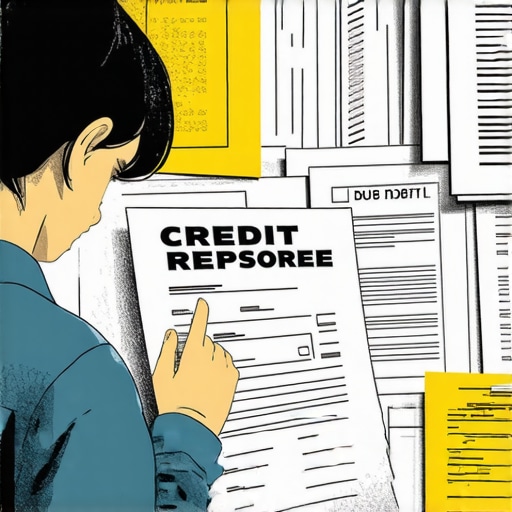
Why Most Debt Management Plans Actually Damage Your Credit
I vividly remember the sinking feeling in my stomach when I realized that the debt management plan I had been relying on was actually hurting my credit instead of helping it. I had thought I was taking the right steps toward financial freedom, but my score wasn’t budging—and sometimes, it even declined. That lightbulb moment left me questioning everything I knew about debt relief and credit repair.
The Hidden Trap in Debt Management Plans
Many people, myself included early on, believe that enrolling in a debt management plan (DMP) is the quick fix to debt problems. You make a single monthly payment, the plan negotiates lower interest rates, and eventually, you’re debt-free. Sounds perfect, right? But behind the scenes, these plans can silently sabotage your credit progress.
I’ve seen firsthand how a well-intentioned strategy can turn into a long-term setback. The truth is, most debt management plans involve closing accounts or consolidating debts in a way that can lower your overall credit score—not improve it. And what many don’t realize is that these plans can also create false negatives on your report, making it look like you’re a higher risk to lenders.
Understanding this nuance is critical. If you’re considering a DMP, it’s vital to know how it impacts your credit and what alternative strategies can actually boost your score while you reduce your debt. Don’t worry—I’ve been through the confusion and frustration, and I’ve learned that there are smarter ways to approach debt and credit rebuilding. To discover proven techniques, check out this guide on mastering debt management.
Do You Feel Like You’re Stuck in a Debt-Relief Maze?
If you’ve ever faced the dilemma of choosing between a quick fix or a sustainable credit strategy, you’re not alone. I made the mistake early on of blindly trusting a debt management plan without understanding its actual impact, and it cost me valuable time. This common misstep underscores the importance of getting the facts before diving into solutions that might do more harm than good.
Stay tuned, because in the next sections, I’ll share practical, research-backed steps you can take to rebuild your credit and gain control over your financial future—without falling into these common traps.
}#END#}#Begin with a Full Credit Review
Kickstart your credit rebuilding journey by obtaining your credit reports from all three bureaus—Experian, TransUnion, and Equifax. Review each report meticulously for errors, outdated information, or fraudulent accounts. Think of this as tidying up your financial house; the more clutter you remove, the clearer your path forward.
For example, early in my process, I discovered a medical bill that was paid but incorrectly reported as unpaid. Correcting this mistake instantly boosted my score by several points. Use the credit building hacks to identify and dispute inaccuracies effectively.
Dispute and Correct Errors Strategically
Utilize the Evidence-First Method
Leverage the evidence-first approach; gather supporting documents such as payment confirmations, bank statements, or letters from creditors before filing disputes. This tactic pressures credit bureaus to investigate thoroughly and speeds up error resolution. I once disputed a late payment that was actually on time, attaching my bank statement. The bureau verified my claim, and the error was deleted, improving my score.
Remember, the goal is to make it as easy as possible for bureaus to verify your claims. Use tools like the dispute tactics that prioritize evidence collection.
Optimize Your Credit Profile with Smart Moves
Build Credit from Scratch When Starting Fresh
If you’re new to credit or have a poor score, consider secured credit cards. For instance, I used a $500 secured card, making small purchases and paying on time. Over six months, my score increased enough to qualify for unsecured cards. Visit building credit guides to discover tailored strategies for your situation.
Manage Existing Accounts Wisely
A common mistake is closing old accounts, which can reduce your credit age and lower your score. Instead, keep them active by making small, regular purchases and paying in full. For example, I maintained a longstanding credit card that I rarely used, but it significantly contributed to my credit age. This strategy requires discipline but pays off in long-term score stability.
Balance Debt Reduction and Credit Utilization
Focus on lowering your balances, especially on cards with high utilization rates. Use the balance-shifting trick—transfer high-interest debt to lower-interest accounts, or pay down balances before the statement date to reduce reported utilization. I was able to cut my utilization from 50% to under 10% by paying down balances just before my statement cut-off. This step yields quick boosts in your score, as high utilization dramatically drags it down.
For more advanced techniques, check out balance-shifting strategies.
Establish Positive Payment Habits
Set reminders or automate payments to avoid late payments, which have a severe impact on credit scores. I linked my payments to my bank account to ensure consistency, avoiding costly late marks. This habit is fundamental—score improvements from timely payments are often the fastest gains you can make.
Learn more about establishing reliable payment routines here: smart credit counseling.
Leverage Credit Opportunities Carefully
From authorized users to credit limit increases, every opportunity can boost your score if used responsibly. I added my spouse as an authorized user on a well-managed account, which helped improve her score. Be cautious; techniques like this should be employed strategically, as improper use can backfire. For nuanced tactics, consult credit-building hacks.
Many believe that boosting credit scores is simply about paying bills on time or reducing debt, but this oversimplification masks deeper nuances that can significantly impact your progress. One prevailing myth is that closing old credit accounts always harms your credit; in reality, closing accounts can sometimes lower your score by reducing your credit history length and increasing utilization on remaining cards. This misconception often leads to premature account closures, undermining centuries of established credit building principles.
Why do so many credit strategies backfire even when you follow the basics?
Most people rely on superficial tactics like rapid credit repair or aggressive debt repayment without understanding how credit scoring models respond to various actions. For instance, repeatedly applying for new credit cards to increase available credit can trigger hard inquiries that temporarily lower your score, especially if done excessively. According to FICO, multiple recent inquiries within a short period can cause a score dip of several points—yet many users aren’t aware of this and end up in a cycle of applying and deleting accounts, which damages their credit over the long term.
Furthermore, the allure of quick fixes often leads consumers toward debt settlement or relying solely on debt management plans (DMPs), unaware that such approaches can sometimes decrease their credit scores or leave negative marks for years. While DMPs can manage debt effectively, many mistakenly believe they will always improve credit; however, as discussed in this article, they often involve account closures and reduced credit diversity, which can hinder score growth.
Advanced credit repair isn’t just about eliminating negatives—it’s about optimizing your entire credit profile. For example, leveraging authorized user status or strategically timing credit pulls can maximize positive impacts without triggering penalties. A common misconception is that increasing your credit limit always improves your score, but if new credit lines are obtained recklessly or involved in multiple inquiries, the net effect may be negative. It’s essential to approach credit opportunities with strategic planning, which you can master by reading this guide.
Mastering the nuances of credit building and repair involves knowing when certain actions help or hinder your progress. Many fail to recognize that the timing and context of actions like inquiries, account closures, or debt repayment can mean the difference between score gains and setbacks. Recognizing these subtleties is vital for advanced strategists seeking long-term financial freedom. Remember, each move potentially impacts your credit profile for years, so making informed decisions is crucial.
Have you ever fallen into this trap? Let me know in the comments. For a comprehensive approach that combines expert insights and proven tactics, visit this resource.
Why Consistent Monitoring Matters for Your Credit Health
Staying on top of your credit requires more than just periodic checks; it demands a systematic approach. I personally utilize Experian’s CreditWorks because it provides real-time updates, alerts for suspicious activity, and detailed reports that help me spot errors early. Additionally, following effective credit repair tips regularly keeps my score on track, but leveraging technology accelerates the process.
Employing Automation for Payment Consistency
One of my favorite methods to maintain positive payment habits is setting up automated payments through my bank’s online portal. This simple step ensures I never miss an due date, which is critical because timely payments are the backbone of good credit. I recommend using your bank’s bill-pay feature to schedule payments at least a few days before the deadline, providing a buffer against unexpected delays. This proactive approach preserves your credit integrity over the long term.
Using Dispute Tools Effectively and Safely
Errors on your credit report can be corrected efficiently using Credit Calm’s online dispute platform, which guides you through gathering evidence and submitting disputes. I’ve used this service to quickly resolve incorrect late payments and outdated information, which saved me hundreds of points over time. Remember, the key is to act swiftly once discrepancies are noticed—don’t let inaccuracies linger. For specifics on dispute tactics, see this guide.
Forecasting the Future of Credit Management Tools
As technology advances, predictive analytics and AI are poised to play larger roles in credit management. I predict a shift toward personalized dashboards that provide tailored action plans, much like how financial apps now suggest spending adjustments in real time. Staying adaptable and embracing these innovations will be crucial for those committed to preserving and improving their credit scores in the coming years.
How Do I Maintain My Credit Success Over Time?
The secret lies in consistent review and smart automation. Regularly checking your reports—ideally once a quarter—using tools like Experian’s platform prevents surprises and Fair Credit Reporting Act compliance violations. Automating bill payments keeps you from late marks, and using dispute tools swiftly corrects errors before they cause permanent damage. Remember, credit building isn’t a one-time effort; it’s a continual process that benefits immensely from the right combination of technology, discipline, and expert knowledge. To deepen your understanding, I recommend exploring credit counseling insights for a comprehensive approach.
The Hard-Earned Lessons That Changed My Approach to Credit Building
One of the most profound lessons I learned was that sometimes, the obvious solutions—like quick-fix plans or rushing to close old accounts—can actually set you back. I once believed that clearing debt fast was the priority, but I overlooked how certain actions, like over-applying for new credit, triggered hard inquiries that temporarily tanked my score. Real progress came when I shifted focus to strategic moves like maintaining old accounts for their age and optimizing utilization instead of taking shortcuts. Additionally, I discovered that monitoring reports regularly prevented costly surprises, and automation became my ally in avoiding late payments. That realization — understanding complex scoring nuances — truly transformed my credit growth journey. If you’re ready to go beyond surface tactics, I recommend exploring this comprehensive blueprint.
My Toolbox for Building and Repairing Credit
Over the years, I found certain tools and resources invaluable. The credit-building hacks guide helped me discover quick wins, like strategic utilization and authorized users, that boosted my score faster. For overseeing my progress, I trust real-time credit monitoring services, which alert me to any suspicious activity or errors. When disputing inaccuracies, I rely on the evidence-first approach, which streamlines corrections and saves time. Additionally, reading books like Mastering Debt Management expanded my understanding beyond basic principles. These resources collectively form my ideal toolkit for achieving and maintaining a strong credit profile.
Encouragement for Your Credit Ambitions
Making the decision to improve your credit is a bold step, and every effort counts. You might face setbacks or confusing advice, but remember that consistent action—paired with the right knowledge—can lead to financial freedom. Embrace the learning process, use tools wisely, and stay vigilant through regular monitoring. Your credit journey is uniquely yours, and with patience and persistence, you can build a resilient financial foundation. I encourage you to start today, knowing that each small step brings lasting change. If you’re eager to deepen your understanding, visit this resource for expert insights that can accelerate your progress.
What’s the biggest challenge you’ve faced in building or repairing your credit? Share your experience below—I’d love to hear your story and support your journey!
,