Why Small Collections Hurt Your Score More Than Large Ones
I remember the exact moment I realized how tiny unpaid medical bills—those seemingly insignificant collections—could drag down my credit score more than some of my larger debts. It was frustrating. I had larger debts in the past, yet my score bounced back quickly. But those small, forgotten collections lingered like a dark cloud, preventing me from reaching better credit heights. If you’ve ever felt overwhelmed by minor collections that seem to have no reason to hurt so much, you’re not alone.
Small Debts Can Hit Your Score Harder Than You Expect
It sounds counterintuitive, right? We tend to think that bigger debts—like a sizable car loan or a hefty student loan—would have a more significant impact. But in reality, credit scoring models especially scrutinize small collections due to their impact on your creditworthiness. These tiny accounts often stay on your report longer, or worse, they might be overlooked but still affect your score negatively—particularly because of how scoring systems treat unpaid, outdated, or unaddressed accounts.
Is the Myth of the Big Debts Always Leading to Major Score Drops True?
Early on, I made the mistake of assuming that paying off only my large debts would dramatically boost my credit. That was a mistake. Small collections, even if seemingly insignificant, continue to weigh on your report because they signal to lenders that you might be unreliable with smaller financial commitments. According to a recent study by FICO, unaddressed small collections can reduce your score more than you might expect, especially if they appear as recent or unresolved entries. So, ignoring those minor charges often backfires in the long run.
Have you ever postponed paying a small debt, thinking it wouldn’t matter? If so, you’re not alone, but here’s the truth: overlooking these small collections can severely limit your progress in repairs and improvements. Clearing them is crucial, and I’ll walk you through the strategies to do just that in the upcoming sections.
Now, let’s look at common mistakes I made early on — mistakes that I see many folks repeat — and how you can avoid them. For more detailed tips on repairing credit quickly, visit this comprehensive guide.
Start with a Complete Credit Assessment
Before taking action, obtain a free copy of your credit report from all three bureaus to identify every small collection and outdated item. Use reputable services or visit your free report. Cross-check for inaccuracies or duplicates. Think of this step as a mechanic inspecting all parts before fixing your car—knowing exactly what needs repair saves time and money.
Dispute Errors and Outdated Collections
If you find inaccuracies or outdated debts (typically over 7 years old), file disputes directly with the bureaus. Use the online dispute process or certified mail to request validation. This is like a detective gathering evidence—correcting or removing false entries can immediately boost your score. Remember, a clean report is your first step toward better credit.
Negotiate Pay for Deletion of Small Debts
Contact the collection agencies managing your small debts to negotiate a payment-for-deletion agreement. Offer to pay a lump sum or arrange a payment plan in exchange for deletion from your report. Get all agreements in writing before paying. Picture this as bargaining at a flea market—strategic offers can lead to the removal of negative marks, making your profile more attractive to lenders.
Set Up Payment Reminders and Automations
For debts you intend to keep, set reminders for upcoming due dates or automate payments to prevent future collections. This proactive approach avoids late payments that turn small debts into damaging collections. Think of it as setting your alarm clock—preparation prevents last-minute mistakes and maintains your credit health.
Remind Yourself Why Small Matters
While larger debts are critical, don’t neglect small collections—they can be the difference between a good score and an excellent one. They act as red flags signaling financial inconsistency. Take my experience: I once ignored a $50 medical bill and paid the price with a 20-point drop. Clearing these quickly and strategically is vital. For detailed tactics, check this guide.
Keep Monitoring Progress Regularly
Use free or affordable credit monitoring services to track your improvements. Seeing positive changes motivates you to stay disciplined and address other issues promptly. Think of it as a fitness tracker—monitoring your steps leads to better results over time. Consistent oversight ensures small collections don’t reappear and that your credit rebuilds steadily.
LeverageTools and Resources to Accelerate Repair
Consider consulting with credit experts or using reputable credit repair services for targeted assistance. They can help dispute tricky entries and negotiate on your behalf. Remember, knowledge is power. Browse this comprehensive resource to learn proven techniques tailored for rapid improvement.
 Many people believe that simply paying off big debts or avoiding small ones will instantly fix their credit scores, but this misses nuanced realities. One widespread myth is that credit scores improve linearly as you reduce debt—however, experts like those at FICO highlight that the *factors influencing your score are complex and often counterintuitive*. For example, paying off all your accounts might temporarily lower your score due to reduced credit utilization and mix, so understanding the *timing* and *type* of debt paydowns is essential. Additionally, some assume that ‘good’ credit counseling involves debt consolidation or aggressive tactics, but such approaches can backfire if they overlook your unique financial landscape. Instead, personalized strategies—like those outlined in [this detailed guide](https://counselcredits.com/how-to-repair-credit-fast-essential-tips-for-better-scores)—are more effective. An advanced mistake many make is underestimating the importance of credit mix and account age: closing older accounts to ‘clean up’ your report can actually diminish your score, which counters the common advice to declutter your credit file. Recognize that credit repair isn’t just about erasing negatives, but managing the *elements that influence your credit profile over time.* Curious about the subtler aspects? When should you consider *disputing outdated items*, and when is it better to let them age out naturally? According to a [study by FICO](https://counselcredits.com/top-credit-repair-myths-busted-by-experts-in-2025), understanding these nuances leads to more sustainable credit health. The biggest risk is falling into traps set by bad advice—like relying on quick fixes or disputing every negative entry without understanding its context—results that can set you back even further. Remember, **credit building** and **debt management** are marathons, not sprints, demanding smart, informed moves rather than misconceptions-based shortcuts. If you’re interested in mastering these subtleties, explore [these proven techniques](https://counselcredits.com/effective-credit-repair-tips-to-boost-your-score-today). Have you ever fallen into this trap? Let me know in the comments.
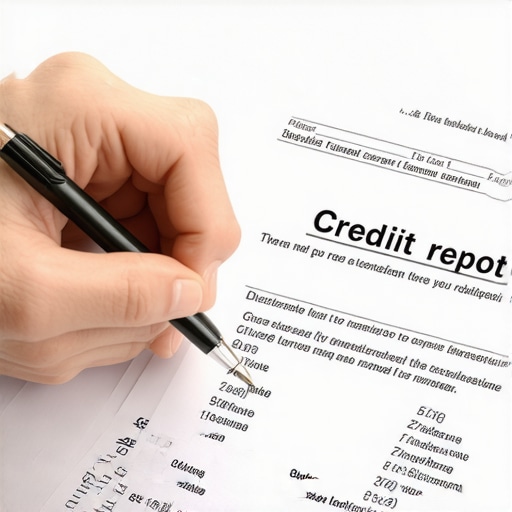
  Alt: A person analyzing their credit report with a confident expression, emphasizing informed credit management.
Maintaining your credit health is an ongoing process, and having the right tools at your disposal makes all the difference. Personally, I swear by a combination of dedicated software and disciplined routines that ensure I stay on top of my credit status continually. One essential tool I rely on is Credit Karma, not just for checking my scores but for detailed reports that highlight changes in real-time, allowing me to react swiftly to any unexpected drops. Its user-friendly interface and free access make it a staple for my monthly review.
Another game-changer is Experian’s CreditWorks. It offers comprehensive credit monitoring, alerts for new inquiries, and personalized tips based on your credit profile. I set up automatic alerts through this platform, which notify me immediately of any significant changes, helping me spot potential issues beforehand—and preventing damaging surprises.
For dispute management, I use eBureau’s Dispute Portal. This tool simplifies the process of disputing inaccuracies—saving me time and ensuring I follow the correct procedure every time. Regularly reviewing outdated accounts and promptly addressing discrepancies reduces the chances of negative marks lingering on my report longer than necessary.
How do I keep my credit profile growing stronger over time?
Beyond tools, disciplined habits are vital. I automate payments for all my bills using a budgeting app like Mint. Automation prevents late payments, which can undo years of progress. Additionally, I keep my credit utilization low—preferably under 30%—by setting alerts and adjusting my spending accordingly. This proactive approach not only boosts my score but also sustains it in the long run.
Looking ahead, the future of credit management is increasingly digital and AI-driven. Newer platforms are integrating predictive analytics so you can anticipate credit impacts before they occur. For example, apps leveraging artificial intelligence can suggest optimal debt repayment strategies personalized for your specific profile, reducing the risk of inadvertent mistakes.
If you’re serious about maintaining and improving your credit, I highly recommend trying the advanced management techniques I’ve outlined. Starting with automating your payments and setting up continuous monitoring can safeguard your progress and set you on a path to lasting financial health.

Imagine a dashboard where every aspect of your credit status is transparent and up-to-date—this is where tools like Credit Karma and Experian’s CreditWorks truly shine, providing insights that enable you to act swiftly and confidently. Regular use of these platforms ensures that your credit profile remains resilient and ready for new opportunities, whether it’s applying for a mortgage or negotiating better loan terms.
What I Didn’t Expect About Small Debts and Their Power
I once believed that focusing solely on large debts was enough to improve my credit score. It wasn’t until I faced a tiny $50 medical bill that I realized even small, overlooked collections could have a significant impact. This lightbulb moment taught me that neglecting small debts can keep you from reaching your full credit potential. Paying attention to every penny owed became a game-changer in my credit journey.
How My Approach to Credit Tools Transformed My Results
I discovered that leveraging smart tools like reliable credit monitoring services and dispute platforms drastically accelerated my progress. Automating payments and setting up alerts helped prevent future collections and late payments. These tools made me proactive rather than reactive, giving me the confidence to manage my credit health effectively.
Lessons That No One Tells You About Building Lasting Credit
I realized that closing older accounts or trying to ‘clean’ my report could backfire if I wasn’t strategic. Keeping aged accounts active and maintaining a diverse credit mix actually helped my score grow over time. It’s a delicate balance—knowing when to dispute, when to pay, and when to let time work in your favor. This nuanced understanding made my credit rebuild sustainable and resilient.
My Secret Weapon for Consistent Progress
Discipline became my best ally. Automating bill payments through apps like step-by-step guides and budgeting tools ensured I never missed a payment. Regularly reviewing my credit report kept me alert to any discrepancies, allowing me to address issues swiftly. Small, consistent actions compounded into powerful credit growth over time.
Moving Forward: The Journey Continues
If you’re feeling overwhelmed by the path to better credit, remember that every small step counts. Implementing smart strategies, staying disciplined, and using the right resources can turn your credit story around just like it did mine. The key is to stay proactive and keep learning—your financial future depends on it.
What’s Your Next Move in Your Credit Journey? Share Your Thoughts Below!
Have you ever encountered a small debt that unexpectedly impacted your score? Let me know your experiences and what strategies worked for you in the comments below. Your insights could inspire someone else to take the next step toward financial confidence.