How to Get Your Credit Back on Track After a Sabbatical
I remember sitting in a dimly lit coffee shop, clutching a lukewarm latte, staring at a rejection email for a simple apartment lease. I had just returned from a glorious nine-month sabbatical—a time of personal growth, travel, and absolute freedom—but my credit report looked like a battlefield. I thought I had everything under control, but the reality was that my score had plummeted into the low 600s while I was busy ‘finding myself.’ It was a visceral, sinking feeling in my chest. If you are currently staring at a screen wondering how your financial reputation vanished while you were off the grid, I have been exactly where you are. Today, we are going to walk through the messy, honest process of fixing the damage so you can reclaim your financial life without the shame.
The Day I Realized My Sabbatical Cost Me 100 Points
My biggest blunder wasn’t the travel expenses or the lack of income; it was a simple, stupid $35 utility bill I forgot to automate. That one tiny oversight turned into a collection account that haunted my report for months. This is why why your late payments are still hurting you more than you think—they are the silent killers of sabbatical dreams. I learned the hard way that the credit bureaus don’t care about your spiritual journey or your need for a mental health break. According to FICO data, a single 30-day late payment can cause a score of 780 to drop by as much as 90 to 110 points. That is a massive price to pay for a moment of forgetfulness. Have you ever checked your score after a long break only to find a ‘surprise’ collection waiting for you? It is more common than people realize, and it is usually the first hurdle in how to get your credit back on track after job loss or an extended leave of absence.
Does a career break actually have to destroy your financial future?
The short answer is no, but it requires a level of intentionality that most of us (myself included) lack when we are planning our escape from the 9-to-5. Many people fear that the mere act of not having a steady paycheck is what tanks the score, but your credit report doesn’t actually show your salary. The real danger is the shift in habits. When I was on my break, I stopped checking my mail and ignored my banking apps. That ‘out of sight, out of mind’ mentality is a trap. To fix this, you need to look into smart credit counseling to rebuild your financial life. It isn’t just about paying bills; it is about rewriting the narrative you’ve accidentally created with lenders. We are going to dive into the specific steps to prune those errors and get you back to a place of power.
Sweep the Floor Before You Paint
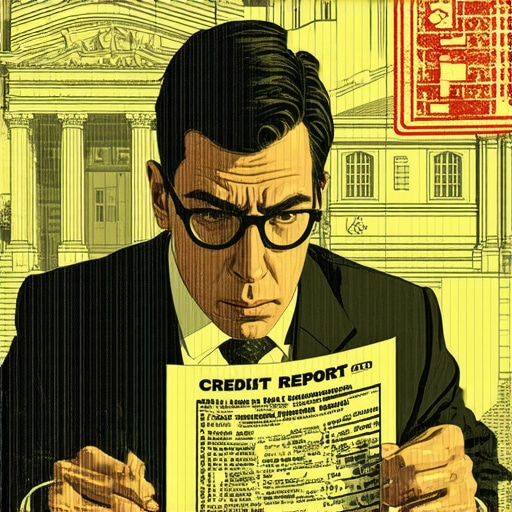
Think of your credit report like a garden that you’ve neglected for nine months. You can’t just plant new flowers (apply for new cards) and expect it to look great if it’s still choked with weeds. The first thing I did was pull my reports from all three bureaus. I didn’t just glance at the score; I looked for the ‘weeds’—those tiny inaccuracies that shouldn’t be there. I discovered that a medical bill I had already settled was listed as an active collection. This is one of the most common credit report errors and the fixes you need to master before you do anything else. If you don’t scrub the report for errors first, any new positive activity will be weighed down by old, false data.
How to Force a Creditor to Prove the Debt
When I saw that $35 utility bill in collections, I didn’t just pay it. Paying a collection often does nothing to help your score; in fact, it can sometimes keep the negative mark on your report for longer. Instead, I used a validation letter. I challenged the agency to prove they had the legal right to collect that specific amount. I remember the sweaty palms I had while dropping that envelope into the blue mailbox. I was convinced they’d just ignore me, but by law, if they can’t provide the paperwork, they have to delete the entry. This is the validation letter loophole that forces deletion of late payments and collections. Within 30 days, that black mark was gone, and my score jumped 45 points overnight. It was the first time I felt like I was back in the driver’s seat.
Stop the Bleeding by Preserving Your History
One of my biggest temptations during my sabbatical was to close my oldest credit card because I wasn’t using it. I thought I was being ‘financially clean.’ That would have been a catastrophic mistake. Your credit age is like a resume; the longer the history, the more reliable you look to lenders. You should understand why you should never close a credit card account, especially your oldest one, as it provides the foundational ‘age’ for your profile. If you close it, your average account age drops, and so does your score.
Diversify Your Profile Without Taking on New Debt
Lenders want to see that you can handle different types of credit—not just credit cards. This is known as your ‘credit mix.’ After my break, my mix was heavily skewed toward old student loans and one credit card. To balance it out, I looked into credit-builder loans, which function more like a forced savings account than a traditional loan. This is the move that fixes your credit mix score without requiring you to actually spend money you don’t have. It’s like adding a different muscle group to your workout routine; it makes the whole system stronger and more resilient to future shocks.Most ‘gurus’ will tell you that the quickest way to fix your credit is to simply pay off every negative item you see on your report. In my experience, that is often the worst thing you can do. If you have an old debt that is nearing the seven-year mark, making even a tiny payment can reset the statute of limitations, effectively turning a dying ‘zombie debt’ into a fresh nightmare. This is where the tactics for getting a deletion after you’ve already paid come into play. You have to realize that the credit bureaus prioritize recent activity above almost everything else. By paying an old collection without a deletion agreement, you are essentially shouting to the system, ‘Hey, look at this mistake I made! It is relevant again!’ Instead of a boost, you might see your score stay flat or even dip because you updated the ‘date of last activity’ on a negative record.
Why did my score tank after I finished my loan payments?
It feels like a total betrayal, doesn’t it? You work hard for years to pay off a car loan or a personal loan, expecting a celebration from the credit bureaus, but instead, your score drops 20 points the following month. This happens because of a nuance in your credit mix. When you close an installment account, you lose the active diversity of your profile. This is exactly why your credit score drops when you pay off a loan—the algorithm sees one less active, positive account contributing to your history. According to a study by the Consumer Financial Protection Bureau (CFPB), consumers often see these fluctuations because FICO models reward open, active accounts more than closed ones, even if those closed accounts were paid perfectly. The ‘Oops’ factor here is rushing to settle everything without a specific deletion strategy. If you are looking at effective credit repair techniques for a fresh financial start, you need to prioritize ‘Pay-for-Delete’ agreements above all else. Never send a dime until you have a written letter from the collector stating they will completely remove the entry from all three bureaus upon receipt of payment. If you do not get that in writing, you are just giving them money for a ‘Paid Collection’ status, which is still a negative mark that lenders hate to see.
How to handle legitimate debts when you cannot pay in full
This is where people get stuck in the ‘honesty trap.’ You want to do the right thing, but the system is not built for your integrity; it is built for specific data patterns. If you are dealing with legitimate debt that you simply cannot clear, consider the truth about paying your debt via credit counseling. A legitimate non-profit counselor can sometimes negotiate lower interest rates without the same level of score-destruction that comes from a standard debt settlement. However, be wary of any ‘settlement’ firm that tells you to stop paying your bills entirely—that is a fast track to a lawsuit. Have you ever fallen into this trap where doing the ‘right’ thing actually hurt your score? Let me know in the comments, and let’s figure out the next move together. For those in unique regional situations, understanding the reality of securing a privatkredit schweiz despite an active betreibung can provide context on how different international systems handle persistent negative marks.Building the score back was the hard part, but keeping it there is where most people trip up because they treat credit repair like a one-time deep clean rather than daily hygiene. For me, the game-changer wasn’t a fancy app with a monthly subscription—it was a simple, manual Google Sheet. I track my ‘Statement Closing Dates’ instead of just ‘Due Dates.’ If you want to master the best strategy for managing multiple credit cards, you have to realize that the balance reported to the bureaus is usually what’s on your statement the day it closes, not what you owe on the due date. By paying my balance down to 1% a few days before the statement ends, I manipulate my utilization ratio to look perfect every single month. This is one of the most smart debt management practices for maintaining financial health that I’ve integrated into my post-travel life.
How do I keep this momentum going without it becoming a second job?
I spend exactly fifteen minutes on the first Sunday of every month doing a ‘Financial Temperature Check.’ I don’t use those popular budgeting apps that scrape your data; I find that why most popular budgeting apps fail to change real habits is because they automate the awareness right out of your brain. Instead, I manually log into my two primary accounts. I check for any ‘skip-a-payment’ lures which are actually the hidden financial cost of skip-a-payment lending promos that can mess up your interest trajectory. According to technical documentation from the National Consumer Law Center (NCLC), staying proactive with your own data is the only way to catch ‘re-pollution’—when a deleted negative item accidentally crawls back onto your report.  I also keep a ‘Credit Bible’—a physical folder with every validation letter and deletion confirmation I’ve ever received. Looking ahead, I predict we are moving toward a ‘Cash-Flow Score’ era. Lenders are starting to look at real-time bank data rather than just 30-day-old FICO snapshots. This means your daily coffee habit and utility consistency will soon matter as much as your mortgage. If you’re just starting, check out the ultimate credit repair blueprint for 2025 to see where these trends are heading. My best advice for right now? Don’t just sit on your current rates. Pick up the phone today and try the 5-minute check-in call that could cut your APR by 5. It sounds too simple to work, but it’s the exact move that saved me thousands in interest the year I returned from my sabbatical. Reclaiming your power starts with that one uncomfortable phone call.
The Hardest Lesson from My Year Off the Grid
Looking back at that latte-clutching version of myself in the coffee shop, I realize I made the recovery process much harder than it needed to be because of fear. The most important realization I had was that credit is simply a data-driven language of trust, and I had just stopped speaking it for a while. First, I learned that my self-worth had absolutely nothing to do with my three-digit score. A low number didn’t mean I was a failure; it just meant I was out of practice with the algorithm. Second, I realized that the “set it and forget it” mentality is actually a vital survival skill for anyone who values their freedom. If you do not automate your basic life functions, those small oversights will eventually come for your peace of mind. Finally, I understood that the ultimate credit repair blueprint for 2025 is built on consistent, boring patience. You cannot undo nine months of silence in nine days, but you can absolutely trigger the turnaround in nine minutes by sending your first validation letter.
My Personal Survival Kit for Credit Recovery
I did not get my score back by accident; I used a few specific resources that I still swear by today. First, I highly recommend spending time on the Consumer Financial Protection Bureau (CFPB) website. It is the ultimate authority for understanding your rights when a collector gets aggressive or refuses to follow the law. Second, I transitioned my primary banking away from national giants. I found that why your local credit union is better for building credit is because they actually look at the human being behind the paperwork, which is essential when you have a gap in your employment history. Third, I keep a digital copy of the Fair Credit Reporting Act (FCRA) on my phone. Knowing exactly what a bureau can and cannot do gave me the confidence to push back on legitimate errors without feeling intimidated. Lastly, I committed to smart debt management practices for maintaining financial health by using simple calendar alerts for my statement closing dates, ensuring my utilization always looks perfect to the bureaus.
Your Sabbatical Wasn’t a Mistake and Neither Is Your Recovery
Please do not let the stress of a temporary score drop diminish the value of the life-changing time you took for yourself. The travel, the rest, and the personal growth you experienced are permanent investments in your soul; your credit score is just a temporary reflection of recent data and is highly repairable. By using effective credit repair techniques for a fresh financial start, you are simply tidying up the administrative side of your life. You have already done the hard work of living authentically; now, we are just getting the numbers to reflect that you are a responsible, capable adult who happened to go on an adventure. You have the tools, the scripts, and the strategy to reclaim your status. Rebuilding after a break is a marathon, not a sprint, but every step counts. Did you ever have a ‘phantom’ bill or a forgotten utility charge pop up and wreck your score while you were away? Let me know in the comments below!