How to Manage Debt When Your Income Suddenly Changes
I sat at my laminate kitchen table, the silence of the house echoing the emptiness of my inbox. The layoff wasn’t personal, they said, but my credit card company didn’t care about corporate downsizing. I felt that cold, prickly heat of panic rising up my neck as I looked at a pile of bills that suddenly outweighed my bank balance. I’ll be honest: my first instinct was to hide. I tucked the envelopes under a stack of magazines and didn’t look at them for a month. That was my biggest mistake. By the time I finally faced the music, I was staring at late fees and a credit score that had taken a nosedive. Today, we are going to stop that from happening to you. We are going to build a survival plan that keeps the debt collectors at bay while you figure out your next move.
Stop the Bleeding Before Your Credit Score Plummets
When your income drops, your natural reaction is to prioritize everything at once. But you can’t. I learned the hard way that you have to be surgical about what gets paid and what waits. You need to implement smart debt management practices immediately to prevent long-term damage. According to the Consumer Financial Protection Bureau, nearly one in ten consumers have debt in collections, and a sudden income shock is the most common trigger. I was almost one of them. The trick isn’t just about cutting coupons; it’s about how to navigate a financial crisis without burning your financial future to the ground.
Is it even possible to stay afloat without a steady paycheck?
You might be thinking, that’s great, but I literally have zero dollars coming in right now. I get it. It feels like trying to put out a forest fire with a squirt gun. But even with a low balance, you have options like forbearance, interest rate negotiations, or even the strategy for managing debt on a fluctuating income that can give you breathing room. Have you ever felt that paralyzing fear of opening your banking app after a job loss? You aren’t alone, and you aren’t stuck. We are going to walk through the exact steps to triage your bills so you can sleep tonight. [image]
The First 48 Hours of an Income Shock
The moment the money stops flowing is the moment you need to become your own CFO. Most people wait until the bill is due to act. Don’t do that. Reach out to your creditors before you miss a payment. Trust me, they are much more willing to work with you when you are proactive than when you are thirty days late. This is the time to look into debt management tips that actually work when the pressure is on.
Triage Your Bills Like an Emergency Room Doctor
When your income disappears, your budget needs to go into a ‘medical triage’ mode. In an ER, doctors don’t treat a broken finger while the patient next to them is having a heart attack. Your finances are the same. Your ‘heart and lungs’ are your housing, utilities, and food. Everything else, including that high-interest credit card, is a ‘broken finger.’ I remember when I first lost my job, I made the mistake of paying off a $300 department store bill just because I hated seeing the balance. Two weeks later, I didn’t have enough for rent. I was focusing on the wrong wound. You must implement mastering debt management techniques that prioritize your survival over your vanity. If you find yourself in a position where the math simply doesn’t add up, you need to know the move to make when your monthly debt exceeds your income so you don’t end up homeless just to satisfy a billionaire bank.
Pick Up the Phone Before the Late Fees Hit
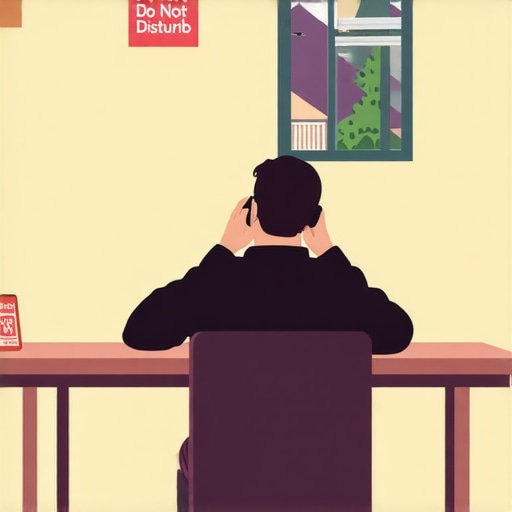
One of the most effective credit counseling secrets for smarter debt management in 2025 is the ‘proactive hardship’ call. Lenders have specific departments for people in crisis, but they won’t find you—you have to find them. I once sat on the phone for forty minutes waiting to speak to a supervisor at my bank. My voice was shaking as I explained my situation. To my shock, they moved my next two payments to the end of the loan and waived the interest for ninety days. That single phone call saved my credit score from a 100-point drop. This is the core of debt management secrets: banks would rather get paid later than never get paid at all. If you wait until you are already sixty days late, they lose their appetite for negotiation. 
Protect Your Future Assets From Today’s Panic
When you are scared, you start looking at your 401k or IRA as a piggy bank. Stop right there. There are very specific reasons you should never use your retirement fund to pay debt. In many states, retirement accounts are protected from creditors even in bankruptcy. If you drain your future to pay for a past mistake, you are losing twice. Instead, you should look into smart debt management practices that focus on cash flow preservation. Think of your savings as a life raft; you don’t chop it up for firewood just because you’re cold. You stay on the raft until you see land.
Stop the Automatic Bleeding
Go into your banking app right now and turn off every single auto-pay. When you’re in a crisis, you need to be the one to ‘release’ every dollar. I once had an auto-pay for a gym membership I hadn’t used in six months trigger an overdraft fee that spiraled into $120 in bank charges. This is essential for how to navigate a financial crisis effectively. By taking manual control of your payments, you ensure that you are the one deciding who gets paid and when, based on your current survival needs, not a schedule you set when times were good.Most people think that the ultimate goal of debt management is simply reaching a zero balance. While that’s great for your peace of mind, it’s a dangerous oversimplification for your credit score. I’ve seen people scrape together their last pennies to pay off an old collection account, expecting their score to jump fifty points, only to see it stay exactly where it was—or even drop. This happens because most lenders still use the FICO 8 model, which doesn’t give you extra points for paying off a collection; it only cares that the collection happened in the first place. This is one of the top credit repair myths busted by experts in 2025. If you want to actually see a score increase, you often need to negotiate a ‘pay-for-delete’ agreement. Without it, you’re just giving away cash that could have been used for your survival fund.
Don’t Accidentally Resurrect Zombie Debt
There is a specific trap I need you to avoid: the ‘good faith’ payment. When you’re in a crisis, debt collectors will call and ask for ‘just $20’ to show you’re serious. Stop. In many states, making even a tiny payment on a debt that is past the statute of limitations can legally ‘re-age’ the debt, giving the collector a brand-new window of time to sue you. A report by the National Consumer Law Center highlights that ‘zombie debt’ buyers rely on consumers not knowing these rules. Before you send a dime, you need to understand how to negotiate a pay-for-delete deal with scrappy debt buyers so you don’t accidentally restart a clock that was already winding down. This is the difference between basic advice and credit counseling secrets for smarter debt management in 2025. 
Why does my score drop right after I finally pay off a loan?
It feels like a slap in the face. You work hard to pay off a car loan or a personal credit line, and your score dips. This happens because you’ve closed an active account, which can reduce your ‘credit mix’ and the average age of your accounts. This is exactly why closing old accounts destroys your score instantly. To avoid this, focus on keeping your oldest cards open, even with a zero balance. If you are struggling with the nuances of different scores, remember why you should ignore the VantageScore and watch your FICO, as FICO is what 90% of top lenders actually use to judge you. Mastering these effective credit repair tips to boost your score today requires looking past the surface-level advice you find on social media.
Avoid the Fake Fix of Predatory Repair Companies
Another sophisticated mistake is falling for the ‘guaranteed’ fix. I’ve seen people pay hundreds to ‘credit repair’ companies that promise to delete bankruptcies or late payments overnight. Here is the nuance: they aren’t doing anything you can’t do yourself for free. In fact, many of these companies use ‘jamming’ techniques—sending dozens of frivolous disputes—that can eventually lead the credit bureaus to flag your account as frivolous, making it harder to fix real errors later. You are much better off following the ultimate credit repair blueprint for 2025 that focuses on legitimate disputes. Be sure to learn how to avoid the most common credit repair mistakes like paying for services before they’ve actually performed the work, which is often a violation of federal law. Have you ever fallen into this trap where you paid a bill only to see your score go down? Let me know in the comments.
Once you’ve stopped the immediate bleeding and cleaned up the worst of the wreckage, you enter the hardest phase of the journey: the long haul. I call this the ‘Financial Post-Crisis Hangover.’ The adrenaline of the emergency has worn off, the collectors have stopped calling, and it is incredibly easy to slip back into old habits. To keep my sanity and my score, I had to move away from reactive panic and toward a system that actually worked for a real person who hates spreadsheets.
Build a command center that actually sticks
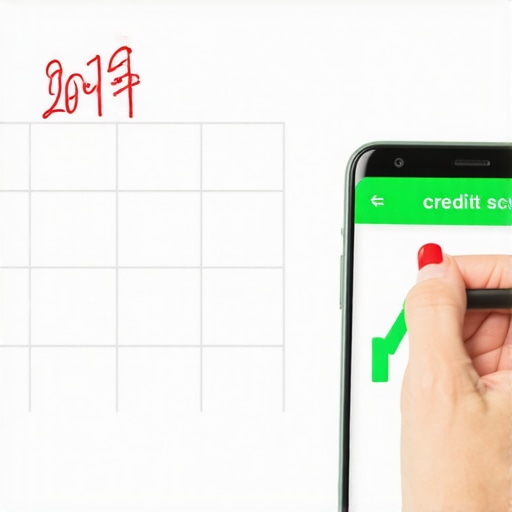
I realized that digital apps often made me feel more detached from my money, not more connected. That’s why I swear by a hybrid system. I use a physical wall calendar specifically for bills—nothing else goes on it. Seeing a ‘Credit Card Due’ note in red ink staring at me from the kitchen wall is much more effective than a tiny push notification I can swipe away and forget. This is the best way to organize your bills without an app because it forces a moment of physical accountability every time you walk past it. I combine this with the easy way to set up a budget that you will actually stick to, focusing only on three ‘buckets’ of spending rather than tracking every single cup of coffee. Authority in this space isn’t about complex software; it’s about reducing the friction between you and your financial truth.
Automate your defense against future shocks
While I turned off auto-pay during my crisis, I turned it back on for the *minimum* amounts once my income stabilized. This is a critical nuance of smart debt management practices. By automating the minimum, you ensure you never suffer a late payment penalty again, even if you forget to make the full manual payment you intended. To keep an eye on things without becoming obsessed, I learned how to use credit monitoring services without hurting your score by setting up ‘alert thresholds.’ If my score drops by more than 5 points, I get a text. Otherwise, I ignore it. According to the National Foundation for Credit Counseling (NFCC) technical data, consumers who participate in structured counseling see an average debt reduction of 25% within the first two years, primarily because they move from chaos to consistent, automated systems.
Where credit scores are heading by 2030
I predict we are moving toward a world where ‘Alternative Data’ becomes the primary driver of creditworthiness. Soon, your FICO score won’t just be about credit cards; it will be about your consistent Netflix payments and utility bills. We are already seeing the start of this, and it means the systems you build today to handle small bills will be the foundation of your future mortgage approval. This transition makes credit counseling secrets for smarter debt management in 2025 more relevant than ever, as the bureaus look for more ‘lifestyle’ signals of stability.
How can I stay consistent when the financial pressure finally lets up?
Consistency comes from lowering the stakes of the ‘review.’ If checking your bank account feels like a trip to the dentist, you won’t do it. My trick? I do my weekly financial review while listening to my favorite podcast or eating a snack I love. I’ve associated the ‘boring’ work of debt maintenance with a positive reward. It sounds simple, but it is the only way I moved from a 540 to a 780. If you want to scale your results, start small: go ahead and set a ‘Financial Date Night’ on your calendar for this Sunday—just fifteen minutes to review your balances and celebrate the fact that you are still in control.
The Brutal Truths I Learned While Rebuilding My Life
Looking back at my laminate kitchen table days, I realized three things that no banker will ever tell you. First, the phone is your greatest weapon, but only if you pick it up before they call you. Silence is essentially a consent to late fees. Second, I discovered that credit scores are less about your character and more about your ability to follow a specific set of digital rules. Third, the absolute most expensive mistake I made was trying to fix everything at once. You have to be okay with letting some things wait while you protect your ‘four walls’ (food, shelter, utilities, and transport).
I also learned that even if you feel like you are starting from zero, the system is designed to respond to consistent, small actions. It wasn’t the big settlement that saved me; it was the boring, weekly habit of checking my balances while eating a sandwich. If you are currently in the thick of it, remember that how to repair credit fast usually starts with stopping the current damage rather than trying to erase the past overnight.
The Personal Toolkit That Kept Me Sane
I don’t believe in fancy, expensive software when you’re already broke. Here is what I actually used to climb out of the hole:
- The NFCC: I always recommend starting with the National Foundation for Credit Counseling because they provide a bridge to smart credit counseling without the predatory fees of ‘repair’ companies.
- AnnualCreditReport.com: It is the only federally authorized site for your free reports. I used it to hunt down every single error that was dragging me down.
- The ‘Cash Only’ Reset: When I felt like I was losing control of my spending, I forced myself into a cash-only week. It was a sensory shock that reminded me what money actually felt like.
- A Physical Calendar: Apps are easy to ignore; a red circle on a wall calendar in your kitchen is not.
Your Financial Comeback Starts with One Move
You didn’t get into this situation in a day, and you won’t get out of it in one either. But the moment you decide to take control, the power dynamic shifts. You are no longer a victim of a bad economy or a corporate layoff; you are a manager of your own recovery. By using effective credit repair techniques and staying proactive with your creditors, you can turn this crisis into the foundation of a much more resilient financial life. This journey into **debt management** isn’t just about numbers on a screen; it’s about reclaiming your sleep and your self-worth. Have you ever tried calling a creditor to negotiate a hardship plan? I’d love to hear how they responded in the comments below.