The ‘Cash Only’ Week: A Reset for Overspenders
I remember standing in the checkout line at my favorite grocery store, feeling like a total pro with my cart full of organic greens and expensive artisan bread. Then, the tap-to-pay failed. Twice. I had to leave the cart behind, face burning, all because I’d lost track of my digital spending. It was my visceral lightbulb moment. I realized that swiping a piece of plastic or tapping my phone didn’t feel like spending money; it felt like playing a video game where the points didn’t matter. That is until the bill came. If you’ve been caught in that cycle of ‘tap now, panic later,’ you need a hard reset. We’re going to talk about the ‘Cash Only’ week—a simple, somewhat painful, but incredibly effective way to reconnect with your bank account. Have you ever reached for your card and felt that tiny spike of anxiety, wondering if it would actually go through? That’s your gut telling you it’s time for a change.
Get Your Hands on Real Money to Stop the Digital Bleeding
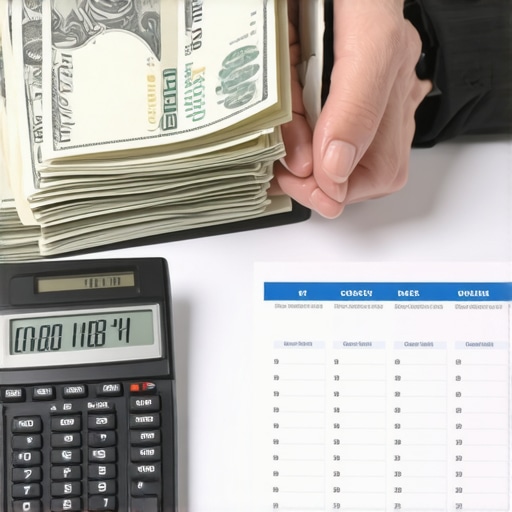
The problem is digital amnesia. When we use cards, our brains don’t register the loss of resources the same way they do when we hand over a physical twenty-dollar bill. A famous study by MIT researchers found that people are willing to pay up to 100% more for the same item when using credit cards instead of cash. I was a prime example of this. Early on, I made the massive mistake of thinking a high credit limit meant I had a high net worth. I wasn’t practicing smart debt management practices, and I was paying for it in high-interest charges. By switching to cash for just seven days, you force your brain to acknowledge every single cent leaving your pocket. It’s the ultimate no-math way to budget your monthly income because once the envelope is empty, the party is over. This isn’t just about saving a few bucks; it’s about mastering debt management by changing your physical behavior toward money.
Will Carrying Paper Money Make Me Feel Like a Financial Dinosaur?
I get it. In an age of crypto and instant transfers, carrying a wad of bills feels ancient. You might worry about losing it or just the sheer inconvenience of not being able to use a kiosk. But that inconvenience is exactly the point. When you have to physically count out bills for a ‘want’ versus a ‘need,’ you start to see the gaps in your spending. It’s the first step toward tackling debt before it takes over your life. If you can survive seven days without the convenience of plastic, you’ll gain a level of clarity that no banking app can provide. This practice is the bedrock for credit building for new borrowers because it teaches the most important lesson: you cannot spend what you do not have. We’re going to dive into how to set up your ‘cash envelopes’ and which categories you should never put on plastic if you want to protect your financial future.
Divide Your Spending into Real-World Envelopes
To stop the leak, you have to find the holes. Before you even touch an ATM, look at your last thirty days of transactions. Identify the variable expenses—the things that change every month, like groceries, gas, and that Friday night takeout. These are the danger zones where digital spending runs wild. I recommend starting with three or four physical envelopes. This is the best way to organize your bills without an app because it removes the abstraction of a screen. Think of your credit card like a high-pressure hose; without a nozzle, the water just sprays everywhere. The envelope system is your nozzle. It forces every dollar to have a specific job. If you are currently struggling with high balances, this is the best strategy for eliminating high-interest credit card balances because it stops the bleeding instantly.
Withdraw Your Weekly Allowance in One Go
On Monday morning, go to the bank and withdraw the exact amount you’ve budgeted for these variable categories. Do not go back to the ATM for the rest of the week. This is the ‘hard reset.’ When I first did this, I felt an actual physical weight in my pocket, and for the first time in years, I was conscious of my money. I remember one Tuesday afternoon, I was starving and pulled into a drive-thru. I opened my ‘Food’ envelope and realized I only had fifteen dollars left for the next five days. I didn’t buy the meal; I drove home and made a sandwich. That moment of friction is exactly what effective credit repair techniques for a fresh financial start are built upon—replacing impulse with intention. 
Label Your Envelopes to Visualize the Limits
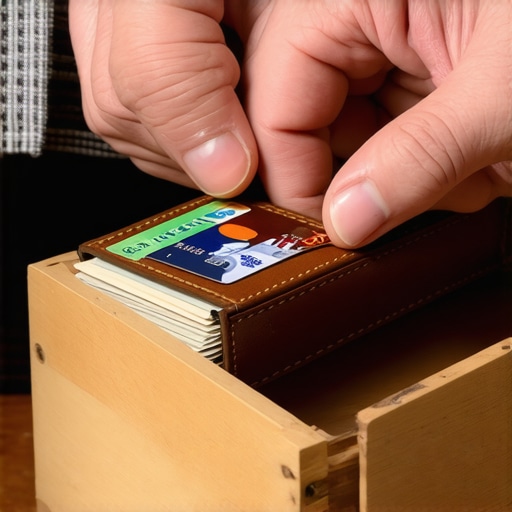
Grab a Sharpie and write the category name and the total amount on the front of each envelope. Every time you spend, write the new balance on the back. This manual tracking is the easy way to set up a budget that you will actually stick to because the math is staring you in the face. You aren’t checking an app that updates three days late; you are looking at the reality of your resources. This practice is a masterclass in credit building hacks to fast-track your credit score, as it naturally lowers your credit utilization by keeping your cards tucked away in a drawer.
How to Survive When the Cash Runs Dry
There will be a moment, usually around Thursday, where you want to cheat. You’ll justify ‘just one swipe’ for a small purchase. Don’t do it. If the grocery envelope is empty, you eat what’s in the pantry. If the gas envelope is low, you combine your errands. This discipline is the foundation for mastering credit building. It proves to you—and eventually to the banks—that you are in control of your capital, rather than your capital being in control of you. By the end of the week, you’ll likely find that you didn’t actually ‘need’ half the things you usually tap for without thinking.While the cash-only week provides an immediate ‘hard reset’ for your brain, it is vital to understand the sophisticated nuances that most financial advice skips over. Everyone tells you that debt is a monster to be slain, but in reality, the structure of your credit report is more like an ecosystem than a simple balance sheet. You see, understanding why your credit score is not a reflection of your wealth is the first step toward true financial literacy. You can have an 800 score while living paycheck to paycheck, or a modest score while sitting on a million dollars in assets. According to data from the Consumer Financial Protection Bureau (CFPB), many consumers are penalized not for the existence of debt, but for the specific way they manage the limits they are given. This is why the discipline you learn with physical envelopes is so powerful—it forces your utilization into a healthy range naturally, without you needing to obsess over a spreadsheet every day.
Does Zero Debt Actually Mean a Perfect Credit Score?
Surprisingly, the answer is no. This is one of the top credit repair myths busted by experts in 2025. If you pay off every single penny and never touch a credit card again, your score can actually stall or even drop significantly. Lenders want to see that you can handle the temptation of available credit responsibly. The nuance lies in the ‘credit mix’—the healthy balance between revolving accounts like cards and installment loans like mortgages or car payments. I’ve seen countless people make the ‘oops’ mistake of thinking they are winning by moving all their high-interest debt to a single zero-interest card. However, the truth about balance transfers and their impact on your score is that if you max out that new card to 99% of its limit, your score will likely tank despite your lower interest rate.
The Sneaky Trap of Closing Your Oldest Accounts
Here is a critical warning for those who finish their cash-only week feeling empowered: do not start closing your accounts in a fit of excitement. Knowing why closing your oldest credit card is a massive mistake is essential for protecting your FICO score long-term. Closing a card, especially your oldest one, instantly shortens your average age of accounts and reduces your total available credit. This makes any small remaining balance elsewhere on your report appear much more significant to the credit bureau algorithms. 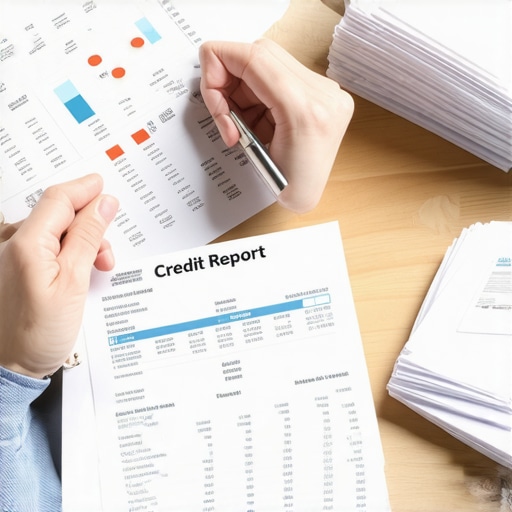 Instead of closing the account, keep it open with a zero balance to act as a scoring buffer. If you feel you need more professional guidance to navigate these complexities, look for credit counseling insights to avoid common pitfalls in debt management. This high-level strategy ensures that your ‘cash only’ period doesn’t accidentally sabotage your future borrowing power. You are transitioning from a victim of the system to a master of it. It’s also important to remember the reporting lag; most creditors only report once a month, so your progress won’t be instant. Have you ever fallen into the trap of closing an account only to see your score drop the next month? Let me know in the comments.Once you’ve mastered the physical envelope system, the real challenge is scaling that discipline back into the digital world without losing your mind—or your progress. I’ve found that the ‘graduation’ phase is where most people stumble. To avoid that, I recommend moving your physical envelopes into a dedicated zero-based budgeting tool like YNAB. I use it because it doesn’t just track where your money went; it forces you to decide where it goes before you spend it. This is the easy way to set up a budget that you will actually stick to because it keeps the scarcity mindset alive in a digital format.
How do I keep my credit healthy without carrying cash forever?
Maintenance is about automation and observation. I personally set up ‘micro-subscriptions’ on my oldest cards—think a $5 Spotify or iCloud bill—and then put those cards on autopay from my checking account. This ensures the card stays active and continues to age, which is a core part of mastering credit building. According to the technical documentation provided by FICO regarding their scoring models, ‘amounts owed’ accounts for roughly 30% of your total score. By automating small payments, you prove consistent reliability without risking high utilization. 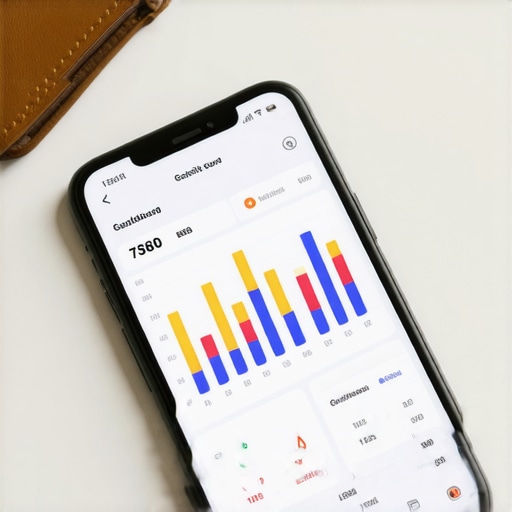
The One Tool That Actually Predicts Your Financial Future
While keeping an eye on your dashboard is great, you need to make sure you’re watching the right numbers. I always tell my readers to ignore the ‘educational’ scores provided by many free apps and instead watch your FICO score specifically. As we move into 2025 and beyond, I predict we’ll see a massive shift toward AI-driven credit ‘co-pilots’ that will automatically move money to optimize your debt-to-income ratio in real-time. Until then, you are the pilot. To stay ahead, implement the 5-minute habit that protects your credit score from sudden drops: check your banking app every single morning for 60 seconds. It removes the fear of the unknown. If you’re aiming for the top tier, check out my guide on how to get your credit score to 800 and beyond. Start today by choosing one card you haven’t touched in months and setting up a $1.99 recurring charge—it’s the simplest way to keep that account alive and kicking.
The Truth About Why My First Cash-Only Week Almost Failed
I realized that the hardest part of this reset wasn’t the math; it was the unexpected social pressure. Saying ‘I’m only using cash this week’ felt like admitting a secret struggle, but it was actually my first real win in months. Another lightbulb moment was seeing how much I spent on micro-conveniences—that $4 gas station snack or the extra $2 for a slightly faster shipping option. These tiny leaks were drowning my budget. Finally, I learned that the initial anxiety of carrying cash was actually a healthy respect for my labor. When you realize a fifty-dollar bill represents hours of your life, you treat it with more dignity than a digital digit on a screen.
My Personal Survival Kit for Staying Debt-Free
Transitioning back to the digital world after your cash week requires a few solid guardrails. I swear by the official FICO app because you need to watch your FICO score like a hawk, not the ‘educational’ numbers that don’t match what lenders actually see. I also recommend a physical desk calendar to track ‘No Spend’ days; there is something incredibly satisfying about marking a big ‘X’ through a day where you didn’t spend a dime. If you are doing this with a partner, I suggest reading up on how to talk to your spouse about debt without starting a fight, as alignment is your strongest asset. For a deep dive into the long-term game, the ultimate credit repair blueprint for 2025 is my go-to guide for navigating the changing financial landscape.
Take Back the Steering Wheel of Your Financial Life
This seven-day experiment is about more than just paper bills; it’s about proving to yourself that you are the boss of your bank account. You’re building the mental muscles needed for credit counseling insights to unlock your path to better credit. Don’t be afraid if you stumble on day three or four—the point is to simply start again the next morning. Your financial future isn’t written in stone; it’s written in the small, intentional choices you make every single day. Mastering credit building starts with the discipline you’ve shown this week. What was the one purchase you didn’t make today because you had to count out physical bills? Let me know in the comments below.