Why Personal Loans Can Be a Trap for Chronic Overspenders
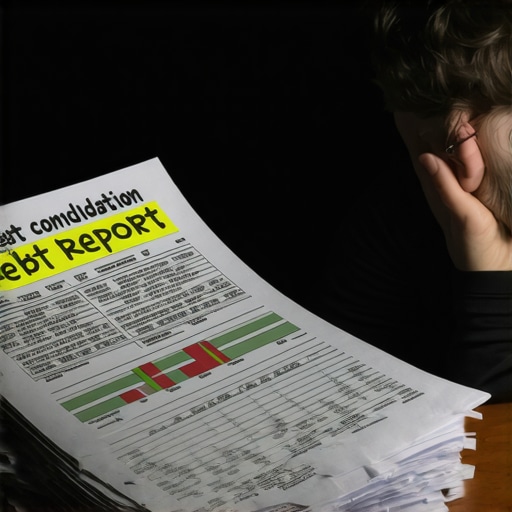
I remember the exact moment I thought I had ‘solved’ my money problems. I sat on my living room floor, staring at a laptop screen that showed my credit card balances had all dropped to zero. I’d just been approved for a $15,000 personal loan, and I felt like a financial genius. I finally had that clean slate I’d been dreaming about. But six months later, the pit in my stomach returned. Those cards were maxed out again, and now I had a massive monthly loan payment to juggle on top of them. It was a visceral realization: I hadn’t fixed my finances; I had just doubled my debt capacity. If you have a habit of reaching for your wallet when things get stressful, a personal loan can be like throwing gasoline on a hidden fire. Today, I’m going to share the hard truths about why these loans often backfire and how you can actually protect your future before signing on the dotted line. [image_placeholder]
The Dangerous High of a Fresh Start
The rush of a ‘reset’ is incredibly addictive. When you use a loan to wipe out your balances, your brain treats it like a victory. But for someone struggling with chronic overspending, those empty credit limits don’t feel like a responsibility—they feel like an invitation. I made the classic mistake of keeping my accounts open ‘just for emergencies,’ which we all know is the biggest lie we tell ourselves when we want a new pair of shoes or a tech upgrade. This is exactly why debt consolidation is often just moving your problems around rather than solving the underlying habits. Without a behavioral shift, you are simply clearing the deck for a bigger disaster.
Is consolidating debt actually worth the risk?
You might be skeptical because the math seems so simple: lower interest equals less debt. But the math rarely accounts for the ‘spending itch.’ According to data from the Federal Reserve, total consumer credit continues to reach record highs even as personal loan originations surge, suggesting that many borrowers simply add new debt on top of their consolidation loans. Before you sign anything, you need to understand the truth about consolidation loans and your wallet. If you haven’t mastered the cash-only week as a way to reset your brain’s reward system, you’re likely headed for a trap. Have you ever found yourself back in the red just months after a ‘fresh start’? You aren’t alone, but it’s time to stop treating the symptoms and start looking at the cause. We are going to dive into why most people fail at debt consolidation so you can finally break the cycle for good.
Stop the Debt Cycle Before It Starts
Think of a consolidation loan like a high-powered vacuum. It is excellent for cleaning up the immediate mess, but if you do not stop the source of the dirt, you are just going to fill the bag and be right back where you started. To win this game, you have to treat the loan as a tool, not a cure. The first order of business is implementing hard boundaries on your spending before the funds even hit your account. I learned this the hard way during my second attempt at consolidation. I did not just hide my credit cards; I put them in a Tupperware container, filled it with water, and stuck it in the back of my freezer. It sounds ridiculous, but having to wait for my ’emergency’ money to thaw gave me the cooling-off period I desperately needed to realize that a new pair of sneakers was not an emergency. This type of mental friction is essential for mastering debt management. 
Cut the Cards Before the Cash Hits Your Account
The moment you are approved, your focus must shift from ‘getting the money’ to ‘protecting the money.’ If you leave your high-interest credit cards in your wallet, the zero balance will look like an open invitation the next time you have a bad day. You need to know how to use a personal loan for debt consolidation the right way, which usually involves having the lender pay your creditors directly. This removes the temptation to ‘borrow’ a few hundred dollars from the loan for a weekend trip. When I managed my debt this way, it felt like I was outsourcing my discipline. By the time I saw the money, it was already gone—to the right places.
Hunt for Better Rates at Credit Unions
Do not just take the first offer that pops up on a credit monitoring app. Big banks are often rigid, but why your local credit union is better for debt consolidation comes down to their flexibility and lower overhead. I once saved 4% on an APR just by walking into a local branch and explaining my situation to a real human being. This single move can save you thousands over the life of the loan. While you are there, ask about the 5-minute call that slashes your credit card APR instantly for any balances you aren’t consolidating.
Keep Your Credit Age Intact
A common mistake is closing every card you just paid off. While it feels satisfying, why closing old accounts destroys your score instantly is due to the sudden drop in your average age of credit. Instead, keep the accounts open but inaccessible. You can apply the logic behind the 15-15 rule for credit card payments to keep the accounts active with tiny, automated charges like a $5 subscription, ensuring you continue building credit from scratch or maintaining what you’ve already built.
Focus on the Math and the Habits Simultaneously
Once the loan is active, your work is only half-done. You need to apply effective credit repair tips to clean up any lingering errors on your report that might be dragging your score down despite your new lower utilization. I spent thirty minutes every Sunday morning reviewing my transactions. It was messy at first, and I realized I was still spending way too much on takeout, but that data allowed me to pivot before I maxed out the cards again. Consolidating is the bridge, but your daily habits are the destination.Let’s dig deeper into the mechanics of the credit system that most borrowers never see. While a personal loan addresses the immediate fire of high interest, it doesn’t address the structural integrity of your financial profile. Everyone says you need to hire a professional to fix a damaged history, but one of the biggest top credit repair myths busted by experts in 2025 is the idea that companies have special ‘backdoors’ into the credit bureaus that you don’t. In my experience, paying a firm hundreds of dollars a month often yields the same results as persistent, educated self-advocacy. You need to understand why you don’t need a credit repair lawyer for simple disputes and instead focus on the quality of your evidence. 
The Dispute Letter Trap Most People Fall Into
When you start cleaning up your report, the temptation is to ‘shotgun dispute’ every negative item at once. This is a massive mistake. According to a report by the Consumer Financial Protection Bureau (CFPB), the majority of credit report disputes are handled via automated systems like e-OSCAR. If you send a generic, templated letter you found online, the system will likely flag it as ‘frivolous’ before a human ever sees it. To bypass this, you need to use the bureau tactic that forces a manual review without a lawyer. This involves providing specific, secondary evidence that contradicts the data on the screen, forcing a real investigator to pick up the phone or check the archives. This is also why the method of verification letter every credit repair diyer needs is so much more effective than a simple ‘not mine’ dispute.
Why Your Score Hits a Ceiling After the First Round of Fixes
It is common to see a quick 30-point jump after consolidating debt, only to have your progress stall for months. I call this the ‘utilization plateau.’ You have paid off the cards, but the lack of positive payment diversity is holding you back. This is why your credit score hits a plateau and how to break it. You must balance the removal of negative items with the strategic building of positive history. However, be wary of the ‘oops’ factor: many people fall for predatory ‘credit building’ services that charge exorbitant monthly fees. You must know how to spot an illegal credit repair fee before you pay, as any upfront fee for credit repair services is technically a violation of the Credit Repair Organizations Act (CROA).
Will Enrolling in Credit Counseling Flag You as a Risk?
This is a sophisticated concern for anyone looking to buy a home soon. While credit counseling is a responsible move, some lenders look at a Debt Management Plan (DMP) as a sign that you were close to default. It is vital to get credit counseling insights to avoid common pitfalls in debt management. Before you sign anything, you should have the 5 questions to ask before hiring a credit counselor ready to ensure they won’t force you to close accounts that are essential to your credit age. By knowing how to avoid the most common credit repair mistakes, you ensure that your journey toward a 750+ score is efficient rather than a series of expensive lessons. Have you ever fallen into this trap where you thought you were fixing things but just plateaued? Let me know in the comments.Maintaining that ‘new credit’ smell isn’t about luck; it’s about the boring systems you build when no one is watching. I personally stopped relying on flashy, all-in-one banking apps that promise to ‘organize’ my life automatically. Instead, I went back to a manual Google Sheet where I log every transaction. It sounds tedious, but it is actually the best way to track monthly expenses without stress because it eliminates the ‘set it and forget it’ mental laziness that got me into trouble in the first place. This high-touch approach is the cornerstone of smart debt management practices for maintaining financial health.
How do I keep my score climbing without paying interest?
The secret to long-term growth is keeping your accounts active without carrying a single cent of interest-bearing balance. I use how a 5-dollar subscription can fix your credit mix instantly as my go-to maintenance strategy. By putting a small recurring charge on an old card and setting up an auto-pay from my checking account, I ensure the bank doesn’t close my account for inactivity, which would otherwise crush my credit age and total limit. If you really want to scale your profile, you need to master the ghost account trick for lowering your utilization overnight. This involves using a specific account as a buffer that lenders see as high-limit but low-usage, effectively ‘padding’ your score against small fluctuations in your daily spending habits. 
The Spreadsheet That Saved My Sanity
I also keep what I call a ‘Credit Calendar.’ On the 1st of every month, I check for any reporting errors. Even after you’ve used effective credit repair tips to boost your score today, new errors can pop up like weeds in a garden. I once found a random medical bill from a lab I never visited, and catching it early saved me from a 50-point drop. According to the National Foundation for Credit Counseling (NFCC), individuals who engage in consistent financial self-monitoring are 40% more likely to maintain their debt-free status over a five-year period. This isn’t just about math; it’s about staying awake at the wheel while everyone else is on financial autopilot.
Prepare for the AI-Driven Credit Shift
Looking ahead, the way we build credit is changing rapidly. I predict that by 2025, traditional FICO scores will be heavily supplemented by ‘alternative data’ like your real-time utility and rent payment history. This is why building credit from scratch a step-by-step guide now includes reporting your Netflix and cell phone bills via specialized services. The system is moving toward a 360-degree view of your reliability, rather than just your borrowing history. If you want to join the elite club, start researching how to get your credit score to 800 and beyond by focusing on credit mix and payment precision. My challenge for you this week: pick one old, unused credit card and set up a tiny $5 automated payment on it. It’s the easiest way to protect your score’s longevity without spending a dime on interest.
What I Wish Someone Told Me Before My First Consolidation
Looking back at my journey, there are three things that would have saved me years of stress if I’d known them from the start. First, the zero balance on a credit card is a psychological trigger for most of us; it feels like permission to spend rather than a job well done. You must have debt management secrets to tackle debt before it takes over your logic. Second, a loan is simply a restructuring of math, not a change in character. I had to learn to forgive myself for the initial debt before I could stop the cycle of creating new debt. Finally, the best way to move forward is to stop looking at the total number and start looking at the daily habit. This shift is the core of credit counseling secrets for smarter debt management in 2025.
The Tools That Kept Me Honest
I do not believe in fancy, expensive software that does the work for you because that work is where the true learning happens. I trust a few specific sources for staying on track. I constantly check the Consumer Financial Protection Bureau database to stay updated on my rights as a consumer. I also suggest keeping a close eye on your FICO reports rather than the estimates you see in free apps. Lastly, I use my own manual tracker because it forces me to see where every dollar goes. When you combine these with how to repair credit fast with essential tips, you become your own best advocate and financial protector.
Your Financial Future Is Not Written in Stone
Taking out a loan or starting a repair plan can feel like you are just trying to keep your head above water, but I promise the view gets better. You are not defined by a three-digit number or a past-due notice from a year ago. By focusing on mastering credit building and staying disciplined with your daily habits, you are laying a foundation that will support your dreams, not just your bills. You have the power to break the cycle and build a legacy of financial freedom that lasts for decades. Have you ever felt that reset high only to fall back into old habits? Let me know in the comments below—I would love to hear your story and how you are fighting back. [image_placeholder]