The Best Debt Consolidation Loans for People With Fair Credit
I still remember the cold sweat that broke out on my neck when I clicked submit on a loan application three years ago, only to see the words “Declined: Credit Score Unsatisfactory” flash across my screen. My credit score was sitting right around 640—squarely in the “fair” territory. I was swimming in high-interest credit card debt, paying hundreds of dollars a month in interest alone, and desperately trying to find a way to merge those payments. I made a massive mistake early on by applying for four different loans in a single afternoon, not realizing that applying for too many financial products at once would tank my score even further. It was a classic rookie blunder, but it taught me exactly how the system treats those of us who aren’t perfect but are trying our best to pay our bills.
The Fair Credit Trap and How We Break Out of It
When you have fair credit, you are caught in a frustrating financial purgatory. You do not have bad credit, so you do not deserve predatory interest rates, but you also do not qualify for the absolute best tier-one rates. Today, we are going to cut through the noise and figure out exactly how to secure the best debt consolidation loans for your specific range. I will show you how to identify lenders who actually look at your income and employment stability rather than just a three-digit number. We are going to find a way to stop the bleeding of high APRs so you can actually start making progress on your balances.
Are these loans just a marketing trap to keep us in debt?
It is incredibly easy to feel skeptical, and honestly, you should be. Many lenders promise easy debt consolidation but pack their offers with hidden origination fees that eat up your savings before you even start. If you do not change your spending habits, you might end up running those credit cards right back up again. According to a study by the National Foundation for Credit Counseling, consumers who consolidate debt without addressing root spending behaviors often see their debt levels increase within two years. However, when used correctly to replace 24% credit card APRs with a single 12% personal loan, debt consolidation is one of the fastest paths to financial breathing room. Have you ever been turned down for a consolidation loan just because your score was a few points shy of “good”? Let me know in the comments below, because your experience is way more common than you think. Let’s look at how we can use options like credit union personal loans to bypass traditional big bank rejections.
First, Build Your Debt Shield and Prep Your File
Before you apply anywhere, you need to clean up your profile so lenders see a low-risk borrower, even with a fair credit score. I learned this the hard way: I once applied for a consolidation loan with a credit utilization rate sitting at 82%. I was rejected instantly. What I should have done first was use the the utilization hack that boosts your score by 30 points. This simple adjustment lowers your reported debt-to-income ratio before the new lender runs your credit. Think of your credit profile as a house you are trying to sell; you wouldn’t invite buyers inside while your living room is cluttered. You must sweep up your utilization and check for errors on your report. Take an hour to conduct the 3-step review for your annual credit report to catch duplicate collections or incorrect balances that make you look like a riskier borrower than you actually are.

Compare APRs and Calculate the Real Math
Never accept the first offer that lands in your inbox. Many people jump at the first approval because of relief, but they end up trapped by massive origination fees. When you are looking at different loans, you must understand how to compare APRs without getting confused. A loan with a lower interest rate but a massive 5% upfront fee might actually cost you more than a slightly higher interest loan with zero fees. When I consolidated my own retail cards, I manually calculated the total interest over the life of a three-year loan versus keeping my cards active. I realized that using a personal loan to clear my high-interest accounts was saving me over two thousand dollars in interest alone. If you are struggling with retail debt, learning how to use a personal loan to pay off high interest store cards is your ticket to escaping the 29.99% interest trap.
The Two-Step Execution Plan for Your New Funds
Once your consolidation loan is approved and the funds hit your bank account, you must act fast. Do not let that cash sit in your checking account where temptation can creep in. When I received my funding, I sat down immediately and paid off my three highest-rate credit cards in a single evening. It felt like a massive weight was lifted off my shoulders. However, the real test of smart debt management practices for maintaining financial health starts the very next day. You must change how you use those newly cleared credit cards, or you will end up in twice as much debt within a year.
Keep Your Oldest Accounts Open to Protect Your Score
A common mistake after consolidating is immediately closing all the newly emptied credit card accounts. Doing this will actually destroy your credit score by reducing your average age of accounts and slashing your overall available credit limit. Make sure you understand why closing your oldest card is a massive mistake. Instead, keep those cards open, put them in a drawer, and focus on long-term mastering credit building proven strategies for a strong financial future to keep your score moving upward.
Now that you have the basic blueprint for consolidating your debt, we need to talk about the psychological and structural traps that lie just beneath the surface. Lenders want us to believe that moving our balances from credit cards to a single loan is a magic cure-all. But if you have ever looked closely at your credit file, you already know the financial system is never that simple. Let’s dig deeper into the subtle mechanics that separate those who successfully break the debt cycle from those who end up right back where they started.
Why does my score flatline even after I have paid off all my credit cards?
It is incredibly frustrating to pay off thousands of dollars in high-interest debt only to watch your credit score barely budge, or worse, actually drop. The secret lies in how credit bureaus calculate your utilization versus your payment history. If you are experiencing this exact plateau, you should read about why your credit score flatlined despite monthly payments. The reality is that credit scoring models treat installment loans (like your new consolidation loan) and revolving credit (like your credit cards) very differently. When you pay off a credit card, you free up revolving credit, which helps your score. But when you take on a new installment loan, the system views it as a brand-new risk until you establish a track record of six to twelve on-time monthly payments.
Furthermore, a massive myth pushed by mainstream financial gurus is that you should immediately dispute everything on your credit report using automated tools. In my experience, relying on the automated systems built into credit monitoring apps is actually a trap. When you use those platforms, you often unknowingly waive your rights to a manual investigation. You need to understand why you should never use the easy dispute button on credit apps if you want real, permanent corrections. A study by the Federal Trade Commission (FTC) revealed that automated disputes are frequently dismissed as frivolous by credit bureaus, leaving consumers stuck with damaging errors that could have been resolved through physical, certified mail.
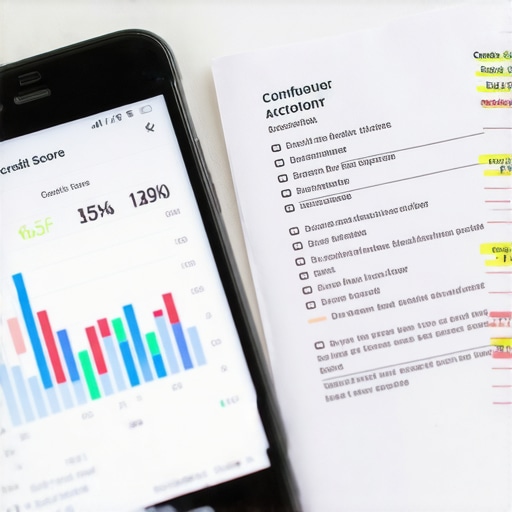
Another nuance that catches people off guard is the difference between credit monitoring scores and the scores lenders actually use to make decisions. You might be celebrating a 720 score on your phone, only to walk into a bank and have them pull a 660. To keep your expectations realistic, you must learn why you should ignore the credit monitoring score you see online. Lenders almost exclusively look at specific FICO versions rather than the VantageScore models shown on free tracking apps. Have you ever fallen into this trap where your real score was lower than your app score? Let me know in the comments below, because sharing these specific setbacks helps all of us navigate the system more effectively.
If your credit profile has deep structural issues beyond just high utilization, simply consolidating won’t be enough. You have to actively rebuild your profile from the ground up. Take some time to explore the ultimate credit repair blueprint for 2025 to fix historical payment errors. Combined with consistent, smart habits, you can transition from a fair credit score to a pristine profile that commands the lowest interest rates on the market.
Once you navigate the initial hurdle of consolidating your debt and stabilizing your payments, the real work shifts from recovery to maintenance. In my early financial days, I mistakenly believed that getting out of immediate danger meant I could put my finances on autopilot. It was a massive mistake. I quickly realized that without the right systems in place, it is incredibly easy to slip back into old habits that compromise your progress. To keep your credit healthy, you need concrete tools and daily practices rather than vague resolutions.
How do I maintain my credit profile over time without getting overwhelmed?
The key to maintaining your progress is automation combined with active, monthly micro-audits. Personally, I use a dedicated spreadsheet connected to my bank accounts via Tiller to track every single transaction automatically. This completely eliminates the manual friction of budgeting. I also highly recommend using a strategy like the 15-15 rule for paying off credit card balances effectively, which ensures my revolving balances are reported as close to zero as possible each month. This level of consistency is exactly how you move from a temporary score boost to permanent financial stability.
As we look to the future, the credit landscape is shifting rapidly. With the rise of alternative data reporting, your daily living habits are becoming more influential than ever. We are already seeing credit bureaus incorporate utility, cell phone, and rental history directly into scoring algorithms. To stay ahead of these systemic changes, you should consider learning the truth about rent reporting services and your FICO score to ensure your monthly housing payments are actively building your history. According to a report by the Consumer Financial Protection Bureau (CFPB), consumers who opt into rental and utility reporting see an average increase of 13 points on their credit files within the first six months. This trend toward holistic data means that simply paying off your loans is no longer the only way to build a stellar profile.
If you really want to take control of your financial trajectory, do not just read this advice—act on it today. Start by applying one advanced strategy: set up your calendar for a monthly review and find out the best time of month to pay your balance for a score boost. Making this single adjustment will dramatically lower your reported utilization and fast-track your path to excellent credit.
What Experts Won’t Tell You About Debt Consolidation Pitfalls
Reflecting on my own financial pivot point, I realized that getting approved for a consolidation loan is actually the easiest part of the process. The real challenge is surviving the immediate aftermath without repeating the same behaviors. First, understand that a zero balance on your credit card is a psychological trigger; it tricks your brain into thinking you have suddenly acquired wealth, which often leads to fresh spending. Second, many commercial lenders count on you running up those balances again—it is how they secure repeat business. To combat this, you need to master mastering debt management proven strategies for financial freedom. Lastly, remember that your credit score is a lagging indicator. Even if you do everything right today, it can take up to three billing cycles for the credit bureaus to update your file and reflect your true progress.
My Essential Toolkit for Financial Recovery
You do not have to navigate this overwhelming process alone. Over the years, I have curated a specific selection of resources that provide honest, practical guidance rather than marketing fluff. For structural credit repair, I highly recommend leveraging the ultimate credit repair blueprint for 2025 to help spot systemic reporting errors. If you find yourself overwhelmed by multiple collection agencies, look into credit counseling insights unlock your path to better credit to learn how certified professionals negotiate with creditors on your behalf. Additionally, tracking your true FICO scores through official bureau portals—rather than relying on free VantageScore apps—is critical to knowing exactly where you stand before applying for any future financing.
Take Back Control of Your Financial Future
Breaking the cycle of high-interest payments requires patience, but the rewards are life-changing. By consolidating your balances, protecting your oldest accounts, and committing to smart debt management practices for maintaining financial health, you are laying down a foundation that will support you for decades. Do not let one bad credit score define your potential. Take the first step today, automate your bill payments, and watch your financial profile transform.
Have you ever struggled to keep your credit card spending under control after paying off your balances with a consolidation loan? Let me know in the comments below.