
The Best Way to Handle Student Loans During a Career Change
I sat on my kitchen floor three years ago, surrounded by half-packed boxes and a cold cup of coffee, feeling like a total fraud. I had just handed in my resignation at a stable insurance firm to jump into the unpredictable world of freelance design. It was exhilarating until I saw the six-hundred-dollar student loan notification pop up on my phone. My stomach dropped. I realized I’d planned for my rent and my groceries, but I’d completely forgotten how those monthly payments would eat my tiny startup budget alive. I was terrified that my dream move would end in a financial nightmare. [image_placeholder_1]
Don’t Let Your Debt Dictate Your Professional Happiness
The truth is, most of us feel like we’re stuck in jobs we hate because we’re shackled to our degrees—literally. But I’m here to tell you that you don’t have to stay miserable just to keep the loan servicers happy. Today, we’re going to walk through exactly how to pivot your career without watching your credit score take a nose dive into the pavement. I made a massive mistake early on: I thought if I just ignored the mail for a month or two, I could catch up once my first big client paid. Spoiler alert: that’s the fastest way to need serious credit repair later on. Instead of hiding, you need a proactive strategy. According to the U.S. Department of Education, millions of borrowers are in some form of delinquency simply because they didn’t know their options changed when their income did. We are going to make sure you aren’t one of them.
Is this actually worth the hassle or should I just tough it out?
You might be thinking, why not just work two jobs and keep paying? You could. But the burnout is real, and your new career needs your full focus. If you’re stressed about missing a payment, you aren’t going to perform well in that new role. The landscape of student debt is shifting fast, especially with new income-driven repayment plans that can drop your payment to zero dollars if your new salary is lower during the transition. This isn’t about getting out of your responsibilities; it’s about smart debt management that fits your current reality. Have you ever felt like your student loans were the only thing stopping you from quitting a job you hated? We need to talk about the why behind this. Why does this matter right now? Because your credit is your reputation. If you mess it up during this transition, it’ll cost you more in interest on everything else for years. By using professional credit insights, you can protect your future self while the present self builds a better life. Let’s look at the actual moves you can make this week.
Look Your Current Debts Square in the Face
I remember staring at my laptop screen, my palms sweating because I knew I had exactly $1,400 in my checking account and $900 in total bills due within the next ten days. My first step wasn’t a spreadsheet; it was a simple list on a yellow sticky note. You need to start with the no-math way to budget your monthly income. This isn’t about complex accounting; it’s about knowing which fires are the hottest. When I quit my job, I realized my student loans were the biggest fire. If you’re in that same boat, the move to make if you can’t afford your student loan payments is to call your servicer immediately. Don’t wait until you’re late. I spent forty-five minutes on hold—which felt like an eternity—only to find out I qualified for a $0 payment plan because my income during the transition was technically zero.
Cut Your Monthly Bill Before You Miss a Single Due Date
Think of your debt like a backpack. If you’re hiking up a mountain (your new career), you want that pack to be as light as possible. Instead of just paying the minimums and hoping for the best, look at mastering debt management to see if you can consolidate or restructure. I once ignored a $12 utility bill from an old apartment during my move, and it nearly tanked my mortgage application two years later. You must learn the best way to handle a collection for a tiny amount before it grows into a monster that ruins your peace of mind. 
Keep Your Score High Even When Your Cash Is Low
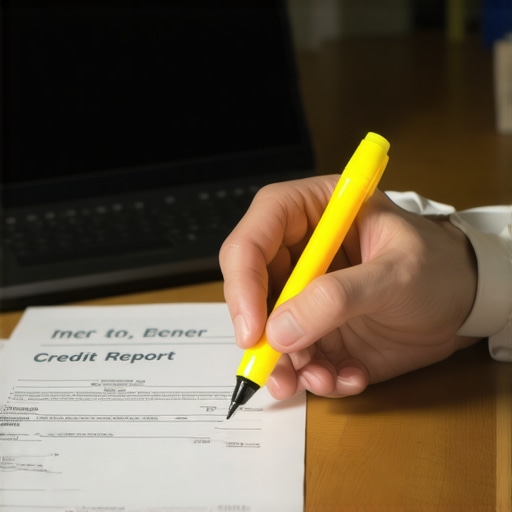
Your credit score is like a garden. If you stop watering it by missing payments, or let weeds like late marks grow, the whole thing withers. If you’ve already seen a dip because of the transition stress, you need to know how to remove negative items from your credit report fast. While I was rebuilding my design business, I used credit building hacks to fast-track my score by simply asking for a credit limit increase on a card I didn’t use often. It didn’t cost me a dime, but it lowered my utilization ratio instantly. This is the difference between a proactive move and a reactive panic. You should also check for the most common errors found in credit reports because, honestly, the bureaus make mistakes more often than we think. Handling these admin tasks now means that when your new career finally starts paying the big bucks, you won’t be stuck paying high-interest penalties for old mistakes.
I learned the hard way that the common advice you hear on social media is often dangerously incomplete. Most gurus tell you that paying off your old debts is the fastest way to a perfect score. While that sounds logical, it’s actually one of the top credit repair myths that can backfire. In my experience, paying off a collection that has been sitting untouched for five years can sometimes actually lower your score temporarily because it updates the ‘last active’ date. It’s counterintuitive, right? This is why you need to understand why your credit score drops when you pay off a loan before you send that final check. You are playing a game with specific rules, and the house doesn’t always play fair.
The Trap of Closing Old Accounts Out of Habit
Another massive ‘oops’ factor I see people fall for is the urge to clean house. You’ve just pivoted your career, you’re feeling organized, and you decide to close those three store cards you haven’t used since college. Stop right there. Why closing your oldest credit card is a massive mistake comes down to the math of credit age. When you delete that history, your average account age shrinks, and the bureaus see you as less experienced. It’s better to let those cards gather dust in a drawer. If you’re worried about identity theft, just freeze your reports instead of nuking your history. Have you ever fallen into this trap of ‘cleaning up’ only to see your score tank? Let me know in the comments.
Why does my score look different depending on where I check it?
This is where most people get frustrated. You check one app and see a 720, but the car dealership says you’re a 680. The nuance here is the model being used. Why VantageScore might be giving you false hope is a reality for millions because most mortgage and auto lenders still rely on FICO versions. According to a report by the Consumer Financial Protection Bureau (CFPB), differences in scoring models can lead to significant variations in the interest rates offered to consumers. You aren’t just one number; you are a collection of data points interpreted by different algorithms.
The Secret to Handling Debt Collectors Who Keep Selling Your Account
If you’re dealing with old balances, you might notice the name of the company changes every few months. This is ‘zombie debt,’ and it’s a nightmare for your mental health. You need to know the move to make when your debt collector sells your account to prevent them from reporting the same debt twice. This is a common error that ruins many credit-building efforts. By mastering debt management, you can learn to demand validation for every single transfer. If they can’t prove they own it, they have to remove it. It’s about being more annoying than the debt collector is persistent. If you’ve already paid but the mark is still there, look into the tactics for getting a deletion after you’ve already paid. It isn’t enough to settle the debt; you have to ensure the ‘ghost’ of that debt stops haunting your credit report.
I used to think I needed a subscription to every credit monitoring service on the internet to stay safe. I was wrong. My ‘survival kit’ for maintaining a high score while pivoting my career actually consists of a simple recurring calendar alert and a focused spreadsheet. For me, the 5-minute habit that protects your credit score from sudden drops is more effective than any $29.99-a-month app. I set a recurring alert for the 15th of every month—not to pay a bill, but to check my utilization across all my cards. If one is creeping over 10%, I shift some of that balance before the statement even closes. This level of smart debt management practices for maintaining financial health is what keeps you in the ‘excellent’ tier once you’ve finished the heavy lifting of how to repair credit fast.

How do I keep my credit healthy for the next decade?
The secret is what I call ‘The Checklist Method.’ Whenever I’m about to apply for a major loan or if my lifestyle changes, I run through the checklist method for passing a loan application audit. It’s not just about the score; it’s about the stability of the data in your report. According to the Consumer Financial Protection Bureau (CFPB), the rise of automated dispute systems means your documentation needs to be tighter than ever. If you find an error, the bots might ignore your request unless you provide specific, non-templated proof of the mistake. To stay ahead, I recommend using effective credit repair tips to boost your score today even if your score is already decent—it’s much easier to defend a good score than to build one from the floor.
Why the Future of Credit Might Not Be Just a Number
One advanced move I’ve implemented is the mix-shift tactic for diversifying your credit profile. If your report only shows credit cards, look into a small credit-builder loan from a local credit union. It sounds redundant when you’re already doing well, but the algorithm rewards seeing that you can handle different debt structures responsibly. I predict that in the next few years, the ‘standard’ credit score will be supplemented by dynamic AI-driven risk profiles that analyze your bank account cash flow in real-time. This is already happening with several fintech lenders. To prepare for this shift, focus on mastering debt management so your daily cash flow looks pristine to any algorithm. If you’re starting from zero or need a total reboot, remember that the only way to fix your credit when you have no money is through meticulous record-keeping and time. My challenge to you: Set that calendar alert for the 15th of next month right now. Don’t wait for the servicer to tell you what happened; catch the data before it reports to the bureaus.
The Reality Check Most Gurus Forget to Mention
Looking back, the most important lesson I learned wasn’t about spreadsheets; it was about psychological bandwidth. When you are changing careers, your brain is already at max capacity. You don’t need a complex 50-step plan. You need three things to stay true: first, realize that the ‘perfect’ time to move never exists, but the ‘safe’ time to move is when you’ve secured a deferment or an income-driven plan. Second, you must learn to spot a credit repair scam in seconds because when you’re desperate for a quick fix, you’re a target. Finally, don’t view your debt as a moral failing—it’s just a math problem waiting for a solution.
A Simple Roadmap for Your New Chapter
If you’re wondering where to actually put your energy tomorrow morning, I recommend these specific touchpoints. I personally keep the ultimate credit repair blueprint for 2025 bookmarked because the laws and algorithms change every year. I also suggest checking out smart credit counseling resources if you feel like you’re drowning in options. Why? Because sometimes you need an outside perspective to see the ‘dead weight’ in your budget that you’ve grown too used to seeing. Lastly, look into why your local credit union beats your national bank for small personal loans during transitions; their human-centric underwriting can be a lifesaver when your income is in flux.
[image_placeholder_E]
Your Professional Freedom is Worth the Admin Work
Changing your life is hard work, but the administrative side of your finances shouldn’t be the thing that breaks you. By taking small, proactive steps today, you ensure that your credit score remains an asset rather than an anchor. You are building a future where your work aligns with your passion, and by using effective credit repair techniques for a fresh financial start, you are giving that future self the best possible foundation. Don’t let the fear of a three-digit number stop you from becoming who you were meant to be. Have you ever felt like your student loans were the only thing keeping you at a job you didn’t like? Let me know in the comments below!