The Cash Flow Fix for Gig Workers with Variable Income
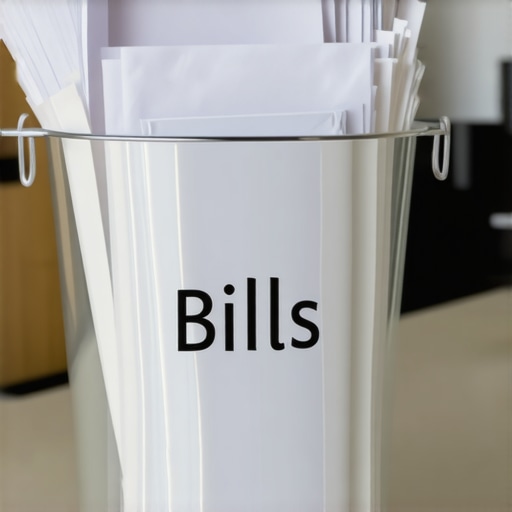
The $0.42 balance on my ATM receipt wasn’t a technical glitch; it was a screaming wake-up call after a month of ‘waiting for checks’ that simply never arrived on time. I remember sitting at my kitchen table, staring at a stack of bills and a series of polite but firm emails from clients promising that the money was ‘in the mail.’ The panic is visceral when you realize your survival depends on someone else’s accounting department. I’d spent years in the feast-or-famine cycle, convinced that my only problem was not making enough money. I was wrong. My real mistake was trying to manage my life like I had a bi-weekly paycheck when I actually had a chaotic, beautiful, and sometimes terrifying stream of gig work payments.
The Trap of Treating Your Freelance Pay Like a Salary
When I first started, I treated every big check like a lottery win. I’d pay off a chunk of debt, buy a round of drinks, and think I was finally ahead. Then, the dry spell would hit. My biggest failure was failing to realize that managing debt on an irregular income requires a totally different set of rules. You can’t just set it and forget it. I had to learn the hard way that a high-income month doesn’t mean I’m rich, and a low-income month doesn’t mean I’m failing—it just means the flow has shifted. Today, I’m going to show you how to build a cash flow buffer that actually works, ensuring you stay afloat even when clients go silent. We are going to look at smart debt management practices that protect your sanity and your credit score.
Won’t a strict budget kill the freedom of being my own boss?
Many of us chose this life for the freedom, so the idea of a ‘budget’ feels like putting on a corporate suit and tie again. But let’s be real: there is no freedom in 2 AM panic-scrolling through your bank app. A study by the Freelancers Union found that 71% of freelancers struggle with late payments at some point in their careers, which is enough to wreck any standard monthly plan. By realizing that every budget needs a guilt-free category and a flexible structure, you actually gain more control. You aren’t restricting yourself; you’re building a fortress around your lifestyle. Have you ever had a client delay a payment just when your biggest bill was due? It’s a lonely feeling, but I promise you aren’t the only one dealing with it. [IMAGE_PLACEHOLDER]
Ditch Fixed Numbers for a Percentage Firewall
Stop trying to force your life into a rigid $2,000-a-month budget when your income swings between $800 and $8,000. It is a recipe for a mental breakdown. Instead, I shifted to what I call the ‘Percentage Firewall.’ Every single check that hits my account, regardless of the size, gets sliced immediately. I learned this the hard way after blowing a $4,000 design fee on a new laptop, only to have my car’s transmission blow three weeks later during a dry spell. Now, 30% goes to taxes, 40% to living essentials, and 20% toward debt. The final 10% is vital because every budget needs a guilt-free category to keep you from burning out. By automating these percentages, you stop ‘negotiating’ with your money every time you get paid.
Pay Your Credit Card Twice a Month to Fool the Algorithm
Freelancers often lean heavily on credit cards during lean months, which can cause your credit score to tank even if you pay the full balance later. The ‘Algorithm’ doesn’t care if you’re a successful entrepreneur; it only sees high utilization. I started using the 15-15 rule for credit card payments to stay ahead. By making a payment 15 days before your statement date and another 3 days before, you artificially lower the balance that gets reported to the bureaus. This is the utilization hack that boosts your score by 30 points or more, which is crucial when you eventually need to apply for a business loan or a mortgage. 
Why the Avalanche Method Wins for High-Rate Balances
When you have multiple debts, the psychological ‘win’ of the snowball method is tempting, but for freelancers, every dollar of interest saved is a dollar of profit. I realized that the avalanche method wins for high-rate balances because it minimizes the total ‘tax’ you pay to the bank. I once had a project get delayed by three months while I was carrying a balance on a 24% APR card. The interest alone was eating my groceries for the week. Now, I prioritize the highest interest rate first, no matter how small the balance. If the interest rates are suffocating you, try a 5-minute call that slashes your credit card APR instantly. Most people don’t realize that simply asking for a lower rate based on your payment history can work, especially if you’ve been consistent.
Wipe Out Errors Before They Drain Your Buffer
Your cash flow is already tight; don’t let administrative errors make it tighter. I spent six months overpaying on a medical bill because I didn’t know the best way to handle medical bill errors before they hit collections. Now, I perform a 3-step review for my annual credit report every January. If you find a late payment from a month where a client stiffed you, don’t panic. You can often use the simple script for getting a goodwill deletion. It’s not about being ‘sneaky’; it’s about ensuring your credit profile reflects your actual financial responsibility, not a temporary hiccup in your client’s accounts payable department.
Most ‘gurus’ suggest the easy route, but let’s dig deeper into the nuances that actually move the needle for someone with a fluctuating income. First, let’s talk about the trap of the convenience dispute. We’ve all seen that shiny ‘Dispute’ button inside credit monitoring apps. It feels like a gift when you’re busy, right? Wrong. In my experience, why you should never use the easy dispute button on credit apps is simple: it often waives your right to a manual investigation and limits the evidence you can provide. Instead, the method of verification letter every credit repair diyer needs is your real weapon. It forces the bureau to actually prove they did the work, rather than just running an automated check that rubber-stamps a potential error. I’ve seen freelancers lose months of progress because they clicked a button instead of sending a letter.
Avoid the Ghost of Debt’s Past
Then there’s the ‘Zombie Debt’ trap. I once had a collector call me about a gym membership from six years ago right when I was finally starting to feel financially stable. My instinct was to pay $50 just to make them go away and keep my peace of mind. Don’t do it. Knowing how to handle a zombie debt collector calling about a 10-year-old bill is vital because a single payment can restart the statute of limitations in many states. You could inadvertently turn a ‘ghost’ into a fresh, legal nightmare that puts your business assets at risk. Always verify the age of the debt before you even acknowledge it exists.
Does a debt management plan look as bad as bankruptcy to a lender?
This is the big one I get asked all the time by people looking to buy a home while freelancing. People fear that credit counseling is a scarlet letter. Actually, a study by the Federal Reserve Bank of Philadelphia found that borrowers who completed credit counseling saw significant improvements in their credit scores within three years compared to those who tried to navigate the mess on their own. While the truth about debt management plans and your credit score involves a temporary dip, lenders often view a DMP as a sign of extreme responsibility. It shows you have a structured plan to pay back 100% of what you owe, which is why debt management plans are better than settlement programs that can leave your report looking like a battlefield for seven years. Before you sign anything, though, you must get the one document you need before signing a credit counseling agreement—a full fee disclosure. Some ‘non-profits’ hide high administrative costs in the fine print that can eat into your repayment progress.
The Pay-for-Delete Gamble
If you’re dealing with collections, remember that simply paying the balance doesn’t automatically remove the negative mark. You need to know how to negotiate a pay-for-delete with a collection agency to ensure the entire record vanishes from your history. Without this, you’re just paying for a ‘Paid Collection’ status, which still weighs down your score almost as much as an unpaid one. However, be careful because there are the hidden dangers of pay-for-delete agreements you should know, especially if the agency refuses to put it in writing.  Have you ever fallen into this trap of paying a debt only to see your score stay exactly the same? Let me know in the comments.
Setting up a system is the easy part; the real challenge is the maintenance phase when you’re three deadlines deep and the ‘Percentage Firewall’ feels like a chore. For me, the game-changer was moving away from the standard banking apps and into high-granularity tracking tools. I personally use a ‘Double-Zero’ method—where I account for every penny until my budget hits zero—combined with a custom spreadsheet that tracks my ‘Age of Money.’ If your money isn’t at least 30 days old, you’re still living on last month’s stress. Utilizing smart debt management practices for maintaining financial health isn’t a one-time event; it’s a weekly ritual. Every Sunday night, I spend 15 minutes reviewing my utilization. If I see a balance creeping up toward 10%, I don’t wait for the statement. I use the 15-15 rule for paying off credit card balances effectively to smash it down before the bureau even gets wind of it.
How do I keep this momentum going for years without burning out?
Consistency in the freelance world comes from automation, not willpower. I’ve set up my business account to auto-sweep 15% of every incoming payment into a ‘Tax & Credit Fortress’ sub-account. This ensures that even in a low-income month, my credit building hacks fast track your credit score aren’t interrupted by a lack of liquidity. If you’re worried about stagnation, remember why your credit score isn’t moving despite on-time payments—usually, it’s because your credit mix is too stagnant. I recommend checking for effective credit repair tips to boost your score today every six months to see if you can swap out high-interest traps for lower-cost credit union products. 
The Rise of Trended Data and the Future of Your Score
Looking ahead, the landscape of credit is shifting from snapshots to stories. According to Ethan Dornhelm, FICO’s Vice President of Scores and Predictive Analytics, the industry is leaning heavily into ‘Trended Data’ with models like FICO 10T. This means the banks aren’t just looking at what you owe today; they’re looking at whether your balances are trending up or down over the last 24 months. For those of us with irregular income, this is actually great news. It rewards the long-term trend of debt reduction rather than punishing a single high-utilization month. My best advice? Start using effective credit repair techniques for a fresh financial start now so your 24-month ‘story’ looks impeccable by the time you need a major loan. My challenge to you today: Pick one card that currently has a balance over 20% and use a micro-payment today—even if it’s just $25—to start that downward trend.
The $0.42 balance on my ATM receipt wasn’t a technical glitch; it was a screaming wake-up call after a month of ‘waiting for checks’ that simply never arrived on time. I remember sitting at my kitchen table, staring at a stack of bills and a series of polite but firm emails from clients promising that the money was ‘in the mail.’ The panic is visceral when you realize your survival depends on someone else’s accounting department. I’d spent years in the feast-or-famine cycle, convinced that my only problem was not making enough money. I was wrong. My real mistake was trying to manage my life like I had a bi-weekly paycheck when I actually had a chaotic, beautiful, and sometimes terrifying stream of gig work payments.
The Trap of Treating Your Freelance Pay Like a Salary
When I first started, I treated every big check like a lottery win. I’d pay off a chunk of debt, buy a round of drinks, and think I was finally ahead. Then, the dry spell would hit. My biggest failure was failing to realize that managing debt on an irregular income requires a totally different set of rules. You can’t just set it and forget it. I had to learn the hard way that a high-income month doesn’t mean I’m rich, and a low-income month doesn’t mean I’m failing—it just means the flow has shifted. Today, I’m going to show you how to build a cash flow buffer that actually works, ensuring you stay afloat even when clients go silent. We are going to look at smart debt management practices that protect your sanity and your credit score.
Won’t a strict budget kill the freedom of being my own boss?
Many of us chose this life for the freedom, so the idea of a ‘budget’ feels like putting on a corporate suit and tie again. But let’s be real: there is no freedom in 2 AM panic-scrolling through your bank app. A study by the Freelancers Union found that 71% of freelancers struggle with late payments at some point in their careers, which is enough to wreck any standard monthly plan. By realizing that every budget needs a guilt-free category and a flexible structure, you actually gain more control. You aren’t restricting yourself; you’re building a fortress around your lifestyle. Have you ever had a client delay a payment just when your biggest bill was due? It’s a lonely feeling, but I promise you aren’t the only one dealing with it. [IMAGE_PLACEHOLDER]
Ditch Fixed Numbers for a Percentage Firewall
Stop trying to force your life into a rigid $2,000-a-month budget when your income swings between $800 and $8,000. It is a recipe for a mental breakdown. Instead, I shifted to what I call the ‘Percentage Firewall.’ Every single check that hits my account, regardless of the size, gets sliced immediately. I learned this the hard way after blowing a $4,000 design fee on a new laptop, only to have my car’s transmission blow three weeks later during a dry spell. Now, 30% goes to taxes, 40% to living essentials, and 20% toward debt. The final 10% is vital because every budget needs a guilt-free category to keep you from burning out. By automating these percentages, you stop ‘negotiating’ with your money every time you get paid.
Pay Your Credit Card Twice a Month to Fool the Algorithm
Freelancers often lean heavily on credit cards during lean months, which can cause your credit score to tank even if you pay the full balance later. The ‘Algorithm’ doesn’t care if you’re a successful entrepreneur; it only sees high utilization. I started using the 15-15 rule for credit card payments to stay ahead. By making a payment 15 days before your statement date and another 3 days before, you artificially lower the balance that gets reported to the bureaus. This is the utilization hack that boosts your score by 30 points or more, which is crucial when you eventually need to apply for a business loan or a mortgage.
Why the Avalanche Method Wins for High-Rate Balances
When you have multiple debts, the psychological ‘win’ of the snowball method is tempting, but for freelancers, every dollar of interest saved is a dollar of profit. I realized that the avalanche method wins for high-rate balances because it minimizes the total ‘tax’ you pay to the bank. I once had a project get delayed by three months while I was carrying a balance on a 24% APR card. The interest alone was eating my groceries for the week. Now, I prioritize the highest interest rate first, no matter how small the balance. If the interest rates are suffocating you, try a 5-minute call that slashes your credit card APR instantly. Most people don’t realize that simply asking for a lower rate based on your payment history can work, especially if you’ve been consistent.
Wipe Out Errors Before They Drain Your Buffer
Your cash flow is already tight; don’t let administrative errors make it tighter. I spent six months overpaying on a medical bill because I didn’t know the best way to handle medical bill errors before they hit collections. Now, I perform a 3-step review for my annual credit report every January. If you find a late payment from a month where a client stiffed you, don’t panic. You can often use the simple script for getting a goodwill deletion. It’s not about being ‘sneaky’; it’s about ensuring your credit profile reflects your actual financial responsibility, not a temporary hiccup in your client’s accounts payable department.
Most ‘gurus’ suggest the easy route, but let’s dig deeper into the nuances that actually move the needle for someone with a fluctuating income. First, let’s talk about the trap of the convenience dispute. We’ve all seen that shiny ‘Dispute’ button inside credit monitoring apps. It feels like a gift when you’re busy, right? Wrong. In my experience, why you should never use the easy dispute button on credit apps is simple: it often waives your right to a manual investigation and limits the evidence you can provide. Instead, the method of verification letter every credit repair diyer needs is your real weapon. It forces the bureau to actually prove they did the work, rather than just running an automated check that rubber-stamps a potential error. I’ve seen freelancers lose months of progress because they clicked a button instead of sending a letter.
Avoid the Ghost of Debt’s Past
Then there’s the ‘Zombie Debt’ trap. I once had a collector call me about a gym membership from six years ago right when I was finally starting to feel financially stable. My instinct was to pay $50 just to make them go away and keep my peace of mind. Don’t do it. Knowing how to handle a zombie debt collector calling about a 10-year-old bill is vital because a single payment can restart the statute of limitations in many states. You could inadvertently turn a ‘ghost’ into a fresh, legal nightmare that puts your business assets at risk. Always verify the age of the debt before you even acknowledge it exists.
Does a debt management plan look as bad as bankruptcy to a lender?
This is the big one I get asked all the time by people looking to buy a home while freelancing. People fear that credit counseling is a scarlet letter. Actually, a study by the Federal Reserve Bank of Philadelphia found that borrowers who completed credit counseling saw significant improvements in their credit scores within three years compared to those who tried to navigate the mess on their own. While the truth about debt management plans and your credit score involves a temporary dip, lenders often view a DMP as a sign of extreme responsibility. It shows you have a structured plan to pay back 100% of what you owe, which is why debt management plans are better than settlement programs that can leave your report looking like a battlefield for seven years. Before you sign anything, though, you must get the one document you need before signing a credit counseling agreement—a full fee disclosure. Some ‘non-profits’ hide high administrative costs in the fine print that can eat into your repayment progress.
The Pay-for-Delete Gamble
If you’re dealing with collections, remember that simply paying the balance doesn’t automatically remove the negative mark. You need to know how to negotiate a pay-for-delete with a collection agency to ensure the entire record vanishes from your history. Without this, you’re just paying for a ‘Paid Collection’ status, which still weighs down your score almost as much as an unpaid one. However, be careful because there are the hidden dangers of pay-for-delete agreements you should know, especially if the agency refuses to put it in writing. Have you ever fallen into this trap of paying a debt only to see your score stay exactly the same? Let me know in the comments.
Setting up a system is the easy part; the real challenge is the maintenance phase when you’re three deadlines deep and the ‘Percentage Firewall’ feels like a chore. For me, the game-changer was moving away from the standard banking apps and into high-granularity tracking tools. I personally use a ‘Double-Zero’ method—where I account for every penny until my budget hits zero—combined with a custom spreadsheet that tracks my ‘Age of Money.’ If your money isn’t at least 30 days old, you’re still living on last month’s stress. Utilizing smart debt management practices for maintaining financial health isn’t a one-time event; it’s a weekly ritual. Every Sunday night, I spend 15 minutes reviewing my utilization. If I see a balance creeping up toward 10%, I don’t wait for the statement. I use the 15-15 rule for paying off credit card balances effectively to smash it down before the bureau even gets wind of it.
How do I keep this momentum going for years without burning out?
Consistency in the freelance world comes from automation, not willpower. I’ve set up my business account to auto-sweep 15% of every incoming payment into a ‘Tax & Credit Fortress’ sub-account. This ensures that even in a low-income month, my credit building hacks fast track your credit score aren’t interrupted by a lack of liquidity. If you’re worried about stagnation, remember why your credit score isn’t moving despite on-time payments—usually, it’s because your credit mix is too stagnant. I recommend checking for effective credit repair tips to boost your score today every six months to see if you can swap out high-interest traps for lower-cost credit union products.
The Rise of Trended Data and the Future of Your Score
Looking ahead, the landscape of credit is shifting from snapshots to stories. According to Ethan Dornhelm, FICO’s Vice President of Scores and Predictive Analytics, the industry is leaning heavily into ‘Trended Data’ with models like FICO 10T. This means the banks aren’t just looking at what you owe today; they’re looking at whether your balances are trending up or down over the last 24 months. For those of us with irregular income, this is actually great news. It rewards the long-term trend of debt reduction rather than punishing a single high-utilization month. My best advice? Start using effective credit repair techniques for a fresh financial start now so your 24-month ‘story’ looks impeccable by the time you need a major loan. My challenge to you today: Pick one card that currently has a balance over 20% and use a micro-payment today—even if it’s just $25—to start that downward trend.
Lessons from the ATM Receipt That Changed Everything
Reflecting on that $0.42 moment, I’ve realized that credit for a freelancer isn’t just a financial metric; it’s your ultimate survival buffer. The hardest lesson I learned is that the ‘waiting for checks’ trap is actually a form of credit gambling. When you rely on a client’s speed to pay your bills, you’re betting your entire credit history on their accounting department’s efficiency. I also learned that your score isn’t a reward for being rich—it is a tool for staying that way. Having high available credit acts as an interest-free emergency fund if you manage it with the discipline of a business owner. Finally, the shift from ‘paying bills’ to ‘managing cash flow’ is what separates those who burn out from those who build lasting wealth in the gig economy.
The Freelancer Survival Kit for Financial Sanity
To keep your head above water when the checks are late, you need tools that are more flexible than a standard bank. First, stop looking at massive national banks for your loans. I’ve found that why your local credit union is better for debt consolidation is because they often prioritize the relationship and your long-term freelance history over a snapshot score. Second, if you need to build from the ground up, choosing the right secured card for a fast deposit return allows you to build a history without the risk of high-interest traps. Lastly, always keep a folder of debt management tips to navigate financial challenges successfully handy for those quarters when the industry shifts and your biggest client goes quiet.
Stop Waiting for the Next Check and Start Building
You didn’t choose the freelance life to be a slave to interest rates or to live in fear of a 15th-of-the-month deadline. You chose it for freedom. By implementing a percentage-based firewall and mastering credit building today, you are ensuring that your future self doesn’t have to check a bank balance with a pounding heart. Consistency in the freelance world comes from your systems, not your willpower. Start today by making one tiny payment, and watch how your financial story begins to change. What is the one bill that always seems to arrive exactly when a client is late with a payment? Let me know in the comments below!