
Why Your Debt-to-Income Ratio Matters More Than Your Score
I still remember sitting across from the mortgage officer, beaming with pride. I had spent eighteen months obsessing over my credit score, nursing it from a bruised 620 up to a sparkling 765. I felt invincible, ready to sign for my dream home. Then, she ran the calculations, shook her head, and handed me a denial letter. My score was pristine, but my debt-to-income (DTI) ratio was a bloated, suffocating mess. That was the day I realized your three-digit credit score is only a small part of the financial equation.
The Day My 765 Credit Score Got Me Denied
It was a brutal reality check. I had done everything the mainstream credit building blogs told me to do. I paid my bills on time and kept old accounts open, but I was also carrying massive student loans and a hefty car payment. Sure, my payment history was perfect, but my monthly income was heavily spoken for before I even opened my wallet. Lenders don’t just want to know if you pay your bills; they need to know if you actually have room in your budget to take on a new payment. That hard truth is why your debt-to-income ratio matters more than your score when it comes to major milestones like buying a home.
Is a high credit score actually a guarantee of financial health?
Many people assume a stellar score makes them highly qualified borrowers. In reality, according to federal lending standards, even a borrower with an 800 credit score can be rejected for a mortgage if their total monthly debt obligations exceed 43% of their gross monthly income. That is why focusing solely on credit score hacks while ignoring your overall debt load is a dangerous trap. Today, we are going to look past the superficial scores and focus on the real numbers that determine your borrowing power. Have you ever been blindsided by a loan rejection despite having great credit? It is incredibly common, but once you learn how to balance your monthly obligations, you can stop this from happening to you. If you want to protect your financial future, you must practice smart debt management practices for maintaining financial health instead of just chasing a higher credit score number.
When my mortgage application was rejected, I made a classic mistake: I treated my credit profile like a trophy instead of a working engine. Your credit score measures your reliability, but lenders look at your cash flow to determine your capacity. To fix this, you must actively restructure how your monthly obligations are distributed. It starts with treating your credit report as a strategic blueprint rather than a scorecard.
How to Rebalance Your Monthly Debt Obligation Engine
To pull myself out of that financial corner, I had to stop obsessing over credit score hacks and focus on the cold math. I began mapping out every single monthly obligation to see how lenders calculated my risk. A critical first step for me was utilizing the 15-15 rule for paying off credit card balances effectively, which immediately lowered my reported debt levels before the monthly reporting cycle ended. This targeted approach reduced my visible utilization and improved my debt ratios simultaneously.
Target the lowest balances first to free up immediate cash flow
When you are looking to lower your debt-to-income ratio quickly, total debt volume matters less than the number of individual minimum payments dragging down your monthly budget. Think of your budget as a bucket with small holes leaking water. Each credit account you carry—even those with small balances—requires a minimum monthly payment that counts against your DTI. I once carried a small retail store card with a $150 balance that required a $25 monthly minimum payment, alongside a major credit card with a $2,000 balance requiring $45 a month. By wiping out the retail card immediately, I freed up $25 in monthly capacity. It seems small, but when a lender calculates your borrowing power, freeing up even $100 in monthly minimum obligations can translate to thousands of dollars in additional home loan approval limits.

Stop using personal loans as a temporary band-aid
Another trap I fell into was consolidating credit cards into a personal loan, believing it would look better on my credit profile. While consolidated debt can boost your score by lowering your credit card utilization percentage, it does not magically erase the liability from your DTI calculation. In fact, if the personal loan has a shorter repayment term, your monthly payment might actually increase, worsening your debt-to-income ratio. This is exactly why personal loans can be a trap for chronic overspenders who do not change their underlying financial habits. If you need to rearrange your debt structure, make sure the monthly cash commitment decreases, not just the interest rate.
Audit your credit report for simple errors that bloat your debt ratios
Sometimes, the debt holding you back does not even belong to you, or it is being reported incorrectly. When I dug deep into my own credit history, I found an old, closed auto loan that was still being listed as an active, open account with a monthly payment obligation. This error alone made my debt profile look far more burdened than it actually was. Identifying and correcting these issues is vital. You can learn about the 3-step review for your annual credit report to locate these subtle inaccuracies and clear them up. Regularly monitoring your official reports ensures that lenders are evaluating your actual current debts, rather than outdated or inaccurate historical mistakes.
The Dark Side of the Score: Why Clean Credit Can Still Keep You Broke
Everyone in the personal finance space repeats the same tired mantra: raise your credit score, and the financial world will bow at your feet. But in my years of dissecting credit files, I have found that a pristine score is often a beautiful mask covering up a crumbling foundation. The contrarian truth is that having a high credit score is not the same as having financial capacity. Lenders know this, even if the financial gurus do not. You can have a sparkling 790 score, but if your monthly cash flow is stretched to its absolute limit, you are actually a high-risk borrower. This is why focusing solely on superficial score boosts is a dangerous game that leaves many well-meaning borrowers locked out of the best mortgage rates and terms.
Why does my score drop after doing exactly what the experts recommended?
It is incredibly frustrating. You scrape together cash, pay down a major balance, and wait for your credit score to soar—only to watch it take an unexpected dive. This is actually a very common phenomenon, and understanding why your credit score drops after a perfect payment history can prevent you from panicking. Often, it comes down to subtle timing mismatches or how your credit utilization is calculated on the day the bureau pulls your data. If you pay off a loan entirely, you might also lose the benefit of an active installment account, which temporarily hurts your credit mix. According to data from the Consumer Financial Protection Bureau (CFPB), millions of consumers experience these counterintuitive score drops simply because they do not understand the hidden mechanics of reporting cycles.

The biggest trap I see people fall into when trying to fix their financial situation is falling for quick-fix marketing. Many consumers run straight to automated tools or sketchy agencies, but you must understand the truth about credit-repair software vs. professional services before you spend a single dollar. Automated platforms often send generic dispute letters that credit bureaus immediately flag as frivolous, which actually delays your progress. True credit rehabilitation requires customized, surgical strikes on inaccurate data, combined with credit counseling secrets for smarter debt management in 2025 that protect your cash flow while rebuilding your history. Have you ever fallen into this trap of chasing a quick score boost only to have it backfire? Let me know in the comments below, and let’s discuss how to restructure your strategy for long-term wealth.
Once you understand how lenders view your financial engine, you have to establish systems that keep it running smoothly without constant daily stress. I spent too many hours manually calculating my debt ratio on messy spreadsheets until I realized that automated, strategic routines are the only way to prevent slipping back into old habits. To truly master this, you need a streamlined approach to your monthly cash flow.
My Personal Routine for Effortless Ratio Maintenance
Today, I manage my debt-to-income profile with a simple bi-weekly routine that takes less than fifteen minutes. Rather than waiting until the end of the month when bills pile up, I align my payments directly with my income cycle. For my credit cards, I utilize why you should pay your credit card twice a month as a hard rule. By splitting my payments to match my bi-weekly paychecks, I artificially keep my reported balances incredibly low while ensuring I never miss a due date. This single habit has done more for my peace of mind and my debt ratio than any complex budgeting software ever could.
How do I maintain low debt ratios over time?
The secret to keeping your debt-to-income ratio healthy over the long haul is establishing an automated cash buffer and auditing your fixed expenses twice a year. First, set up your checking account to auto-draft a set amount into a high-yield savings account the morning your paycheck hits. This keeps you from accidentally spending cash that should be targeting your principal balances. Second, run a bi-annual review of your recurring commitments. I personally use a simple digital notepad to list my fixed monthly obligations. If my total fixed debts start creeping past 30% of my gross income, I immediately pause any new credit usage and focus on paying down the smallest active balance. Consistent, proactive boundary-setting is what separates those who temporarily fix their credit from those who build permanent wealth.
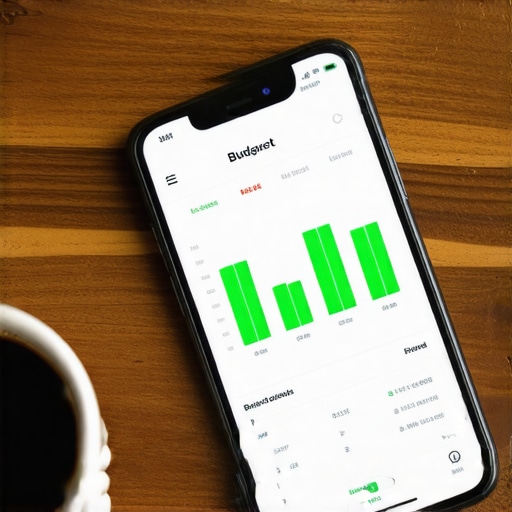
As we look toward the future, the lending landscape is shifting rapidly. I predict that within the next few years, traditional credit scores will carry even less weight as financial institutions transition to real-time cash flow underwriting. Predictive banking APIs are already allowing lenders to analyze your daily deposit-to-debt ratio directly from your primary checking account. This means having clean reports won’t be enough; actual liquid cash flow and low active debt will be the ultimate financial currency. To prepare for this shift, you should focus heavily on mastering debt management proven strategies for financial freedom today. For those looking to dive deeper into long-term financial security, the Consumer Financial Protection Bureau (CFPB) provides comprehensive public datasets on credit reporting trends that highlight the growing importance of debt-to-income ratios over simple FICO scores. I highly recommend trying my bi-weekly payment schedule this very month to see how quickly your cash flow frees up.
What Experts Won’t Tell You About Credit Building
As I navigated my own financial recovery, I uncovered several systemic realities that mainstream institutions gloss over. First, credit card issuers are not your allies in lowering utilization; they prefer you carry a manageable, interest-bearing balance rather than pay it down to absolute zero. Second, a high score is not a pass on basic affordability standards. A high-limit credit line is an invitation to spend, but it does not expand your actual liquid assets. True mastering credit building means focusing on liquidity first and scoring mechanisms second. Lastly, credit bureaus are profit-driven data brokers, not regulatory bodies, meaning they have no active incentive to clean up your profile unless you aggressively audit them yourself.
My Essential Toolkit for Smart Debt Management
I do not rely on automated quick-fix tools. Instead, I keep my cash flow streamlined with three specific resources. First, I use a basic, manual spreadsheet budget to track my net monthly income against total debt obligations; removing automation forces me to look closely at every single transaction. Second, I recommend pulling your official files directly from AnnualCreditReport.com rather than relying on third-party commercial monitoring apps. Third, for those feeling completely overwhelmed by high-interest rates, consulting with certified professionals can provide a much-needed shield. Seeking out tailored smart credit counseling can help you design a customized debt repayment plan that protects your cash flow from predatory lending practices.
Your Turn to Master the Ratio
Balancing your debt obligations is not about depriving yourself of all financial flexibility. It is about taking back control of your monthly cash flow so that you never have to face a frustrating loan denial again. Rebalancing your financial health requires patience, but the rewards—like securing a great mortgage rate or finally living stress-free—are entirely worth the effort. Commit to taking just one small step this week, whether that is paying your credit card bill twice a month or auditing your active accounts. What is the single biggest monthly payment holding your debt-to-income ratio back right now? Let me know in the comments below, and let’s work on a plan to knock it out together.