How to Use a 0% APR Card Without Falling Into a Debt Trap
It was 11:30 PM on a Tuesday when I finally looked at my statement and felt my stomach drop. I had been riding a 0% APR promotional period like it was a never-ending gift from the financial gods. I bought a designer sofa, a new laptop, and a dozen fancy dinners, all while paying just the minimum. Then, the ‘grace period’ ended. Suddenly, I wasn’t just paying for a sofa; I was paying for a sofa plus 24.99% interest that seemed to materialize out of thin air. I had fallen head-first into the very hole I thought I was avoiding. It was a gut-punch realization: the bank wasn’t being nice; they were waiting for me to slip up. Today, I’m going to show you exactly how to navigate these offers based on my own trial-by-fire so you can keep your money and your sanity. [IMAGE_PLACEHOLDER]
The Expensive Mistake I Made So You Don’t Have To
When I first started playing the credit game, I thought I was a genius. I opened a card with a long introductory period and treated it like a personal loan with no strings attached. I didn’t realize that if you don’t stop falling for the minimum payment trap, that 0% balance becomes a mountain of high-interest debt the second the clock strikes midnight on month 13 or 15. I ignored my hidden factors that determine your credit card interest rate because I thought they didn’t apply to me yet. Boy, was I wrong. My score tanked because my utilization was through the roof, and I was stuck paying for things I’d already worn out.
Is this 0% interest thing actually too good to be true?
I get it. You’re skeptical. Why would a bank give you money for free? The truth is, they are betting on you failing. According to the Consumer Financial Protection Bureau, credit card companies collected roughly $105 billion in interest and fees in 2022 alone, proving that most people end up paying far more than they intended. But you don’t have to be one of them. You can use these tools for things like debt consolidation if you understand the truth about balance transfers and their impact on your score. The goal is to use the bank’s money to your advantage, not to let them use your lack of planning to pad their bottom line.
Beat the Bank at Their Own Game
The secret isn’t just about math; it’s about mindset. You have to learn how to use your credit card like a debit card even when the interest is zero. If you don’t have the cash to back up the purchase, the 0% APR isn’t a tool—it’s a trap. I finally found the single most effective way to stop interest from eating your income was to set up an aggressive repayment schedule that ends two months before the promo actually expires. Have you ever found yourself staring at a credit card bill wondering how the balance got so high so fast? You aren’t alone, and it’s time we talk about how to fix it before the interest starts ticking.
Kill the Balance Before the Clock Strikes Twelve
When you are dealing with a 0% introductory rate, your greatest enemy isn’t the bank—it is the calendar. To win this game, you need to use the ‘N-minus-one’ rule. If your promotional period is 12 months, you must build your entire repayment strategy as if you only have 11. I learned this the hard way when a payment processing delay on my final month triggered a retroactive interest charge that made my head spin. By aiming to finish early, you create a safety net for those ‘life happens’ moments. You should treat that promotional balance like a ticking time bomb. The most effective strategy is to take your total balance, divide it by the number of months minus one, and set that as a non-negotiable automated payment. I’ve found that the single most effective way to stop interest from eating your income is to never let the bank even have a chance to calculate it. 
Your Available Credit Is Your Secret Weapon
Think of your credit limit like a massive reservoir and your debt as the water level. If the water gets too high, the dam breaks—which, in credit terms, means your score plummets. Most people focus entirely on the dollar amount they owe, but why your available credit is more important than your debt comes down to your utilization ratio. When I was stuck with that designer sofa debt, my score was struggling not because I couldn’t pay, but because I had used 90% of that card’s limit. Even at 0% interest, the credit bureaus see high utilization as a red flag that you are overextended. To fix this without spending extra cash, you can look into how to use personal loans to fix a high-utilization problem by moving that credit card debt into a structured installment loan, which instantly frees up your available credit and can boost your score almost overnight.
How I Used a Tax Refund to Pivot My Score
I remember one specific February when I was staring at a $3,200 balance on a card that was about to hit its 24% interest phase. I was panicking until my tax refund hit. Instead of buying something new, I dumped the entire thing into that card. It felt painful in the moment, but that one move saved me nearly $800 in projected interest over the next year. If you find yourself in a similar spot, learning how to use your tax refund to double your credit score improvement is a total game-changer. It’s about using windfalls to build a fortress around your finances rather than just treading water.
Why You Need to Stare Down Your Credit Reports Monthly
You cannot manage what you do not measure. I used to avoid looking at my credit report because I was embarrassed by the numbers, but that ostrich-with-its-head-in-the-sand approach only led to more errors. You need to verify that your payments are being reported correctly and that no zombie debts are creeping back in. Start practicing the 5-minute habit that protects your credit score from sudden drops by checking your accounts once a week. This isn’t just about security; it’s about catching the bank if they fail to update your balance after a large payment. There is a specific reason you should check your credit report at all three bureaus: they don’t always talk to each other. One bureau might show you’re debt-free while another still has you flagged for a high balance, affecting your ability to get better rates elsewhere.
Stop Obsessing Over Your Salary
Here is the hard truth: the credit bureaus do not care if you make $40,000 or $400,000. It is a common myth that a high income automatically equals a high credit score. In reality, why your income doesn’t matter to the credit bureaus is because they focus on your reliability as a borrower, not your net worth. I once met a high-earning surgeon who could not get a car loan because his utilization was maxed out. He was ‘asset rich’ but ‘credit poor.’ 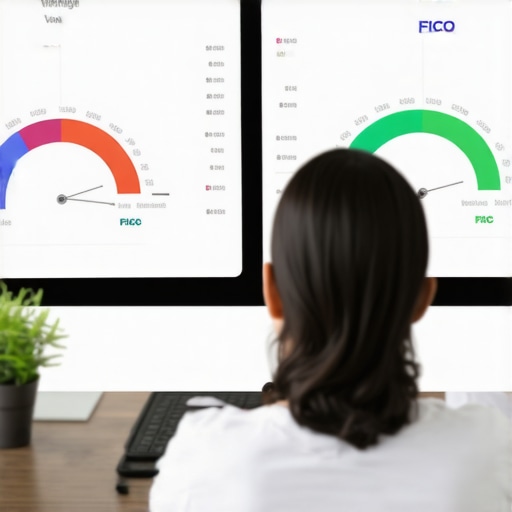
Don’t Trust the Score Your Banking App Shows You
Most people check their credit on free apps and think they are ready for a mortgage. But there is a massive nuance here: those apps usually show you a VantageScore, while approximately 90% of top lenders use FICO models, according to official FICO reporting. This is why VantageScore might be giving you false hope—the two models weigh things like late payments and credit age differently. If you are preparing for a big purchase, you need to see the specific score the bank sees, not the consumer-friendly version on your dashboard.
Will a Paid Collection Finally Clear My Record?
You would think that paying off an old debt would make it vanish instantly, right? Unfortunately, the ‘Oops’ factor here is that a paid collection can legally stay on your report for up to seven years. You need to learn how to remove a paid collection from your credit report permanently using a ‘pay for delete’ negotiation before you send a single dime. If you do not, you are simply paying for a debt that still haunts your score.
Keep the Ghost of Credit Past Alive
I see people get out of debt and immediately want to erase every trace of their past. They cut up the cards and call the bank to close the accounts. Please, do not do that. Why you should never close a credit card account comes down to the mathematical age of your history. Closing your oldest account is like chopping the roots off a tree; it destabilizes your entire profile. Instead, learn how to effectively use credit counseling to fix your finances to manage the debt without destroying the history you worked so hard to build. Have you ever fallen into this trap of closing an old account? Let me know in the comments.
Put Your Financial Success on Autopilot
I finally stopped manually paying bills. I used to think that doing it myself kept me ‘connected’ to my money, but all it did was create stress and a higher risk of a late fee. Now, I use smart debt management practices for maintaining financial health by automating everything to come out two days after my paycheck hits. This ensures that the bank gets their cut before I even have the chance to see it in my checking account. 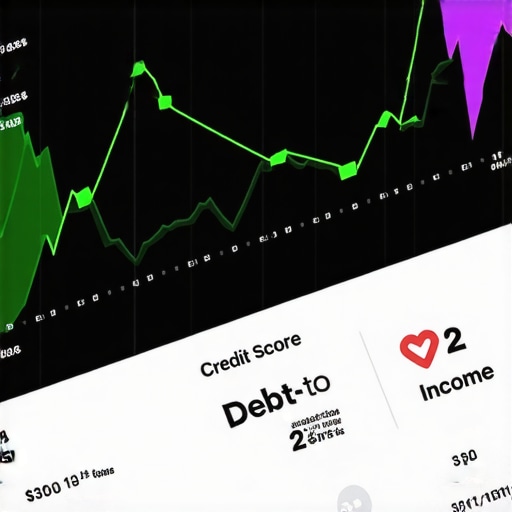
My Personal Toolkit for Staying Debt Free
I don’t trust my memory when it comes to big financial moves. Whenever I apply for a new line of credit, I use the checklist method for passing a loan application audit to make sure my profile is pristine before the lender even runs a hard pull. I track my balances in a simple spreadsheet that highlights any card going over 20% utilization. This proactive approach is the difference between guessing where you stand and knowing exactly how a lender perceives you.
How do I keep this progress from slipping away?
Maintenance is where most people fail. You fix the score, you pay the debt, and then you drift back into old habits. To combat this, I’ve started applying credit counseling secrets for smarter debt management in 2025, which focuses on long-term behavioral changes rather than quick fixes. I set a calendar alert for the first Saturday of every month to review my three major reports. As John Ulzheimer, a renowned credit expert and former FICO employee, points out, your credit is a living, breathing document that reflects your most recent behavior, not your distant past.
What the Next Five Years of Credit Look Like
The landscape of credit is shifting away from just ‘did you pay on time’ to ‘how do you handle your entire financial life.’ According to FICO’s technical documentation on the UltraFICO model, we are moving toward a world where your utility payments and even your savings account balances can influence your score. This is why you should start using the mix-shift tactic for diversifying your credit profile now. By showing a healthy variety of accounts, you prepare your profile for these more holistic scoring models that will dominate the late 2020s.
Slash Your Debt to Income Ratio with One Move
The real power move that changed my life was learning the secret to lowering your debt to income ratio without necessarily earning more money. It’s about strategically paying down the specific debts that impact your monthly payment-to-income math the most. If you want to see a real jump in your borrowing power, try this today: identify your smallest installment loan with the highest monthly payment and aggressively target it. This frees up monthly cash flow and makes you look much safer to banks. Try the mix-shift tactic this weekend to see how your score reacts.
The Hardest Lessons I Learned While Navigating Debt
Looking back at my journey from that designer sofa mistake to where I am now, there are a few things that no bank brochure will tell you. First, math is easy, but behavior is hard. You can have the perfect spreadsheet, but if you do not address the reason you are spending in the first place, you will eventually find yourself back in the hole. Second, the ‘minimum payment’ is actually just a rental fee for the bank’s money; it does nothing to help you own your life. I realized that credit counseling secrets for smarter debt management in 2025 are more about changing your daily habits than just shifting numbers around. Finally, I learned that fixing credit isn’t a one-time event—it is a lifestyle of constant, small adjustments. [IMAGE_PLACEHOLDER]
A Few Tools That Saved My Financial Sanity
If you are looking for where to start, I highly recommend looking at the ultimate credit repair blueprint for 2025 to get a clear roadmap of the current legal landscape. I personally stopped using big national banks for my main savings and moved to a local branch because why your local credit union beats your national bank becomes obvious the moment you need a human to look at your loan application instead of an algorithm. Even if you feel stuck, remember there is the only way to fix your credit when you have no money, and it starts with verifying every single line on your report for errors.
Your Future Is Better Than Your Past
Do not let a low score or a high balance define who you are. You have the tools now to take back control. Whether you are dealing with a 0% APR offer or trying to rebuild after a setback, the first step is always the most important. Mastering debt management is not about being perfect; it is about being consistent. Take one small action today—set up an auto-pay, check one report, or call one lender—and watch how that momentum builds over time. Have you ever felt like you were doing everything right but your score wouldn’t budge? Let me know in the comments below!