The Best Interest-Free Methods to Pay Off Small Debts
I remember sitting at my kitchen table, nursing a cold cup of coffee, and staring at a stack of bills that weren’t even that big. One was a $300 doctor’s visit. Another was a $150 credit card balance from a pair of boots I definitely didn’t need. Individually? They were pebbles. Together? They felt like a landslide. I made the classic rookie mistake of ignoring the small stuff to focus on my ‘big’ car loan, and before I knew it, those pebbles had grown teeth. The interest alone was eating my grocery budget. I felt like a failure because I couldn’t even manage the small stuff. But that’s when I realized that debt management secrets tackle debt before it takes over aren’t just for people in deep trouble; they’re for anyone tired of the constant drain on their wallet. Today, I’m going to show you exactly how to kill those small debts without handing over a single cent in interest. We’re going to keep your money where it belongs: in your pocket.
Stop Giving Away Your Hard-Earned Cash to Banks
If you’re like me, you’ve probably felt that pang of guilt every time a monthly statement arrives. It’s not just the balance; it’s that ‘Interest Charged’ line item that feels like a personal insult. It’s a tax on being human, isn’t it? I spent years thinking that interest was just a fact of life, like taxes or bad weather. I even tried the no-math way to budget your monthly income, but I was still losing ground because I wasn’t being aggressive enough with the ‘zero-interest’ hacks. It is a harsh reality to face, but according to the Consumer Financial Protection Bureau, credit card companies charged consumers approximately $105 billion in interest in a single year. That is a staggering amount of money that could have been used for vacations, savings, or just a nice dinner out. I made the mistake of thinking I could out-earn my interest rates without changing my strategy, but that’s a trap. You need a plan that stops the bleeding first.
Does interest-free debt payoff actually work?
I get it. You’re skeptical. You think the banks have rigged the game so they always win. For a long time, I thought the same thing. I worried that trying to find ‘interest-free’ paths was just a way to delay the inevitable or, worse, a scam that would hurt my credit. But here’s the truth: once you learn how to save for an emergency while still paying down debt, you start to see the loopholes that the big banks don’t exactly advertise. You can leverage the truth about balance transfers and their impact on your score to buy yourself time, or use simple negotiation tactics that work surprisingly well for small balances. Have you ever felt like you’re just treading water, paying off interest while the actual debt stays exactly the same? I’d love to hear if you’ve been stuck in that cycle too. It’s time we stop playing by their rules and start using the strategies that actually move the needle.
Kill the Interest Before It Kills Your Progress
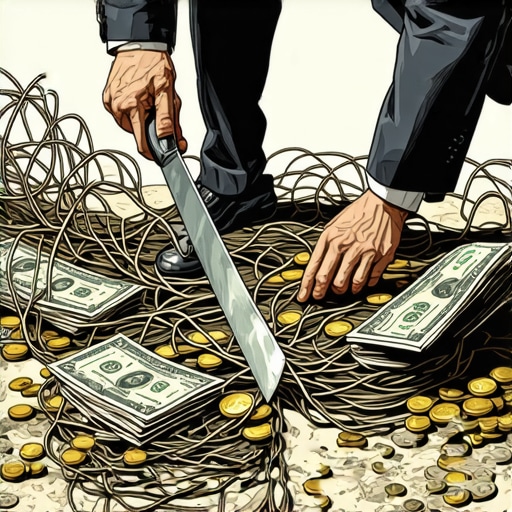
To stop the cycle of debt, you have to treat interest like a leak in a boat. You can bail water out all day, but if you don’t plug the hole, you’re eventually going to sink. The first step in smart debt management practices for maintaining financial health is identifying which debts are the leakiest. For me, it was a store card with a 29% APR. I was paying $50 a month, but $40 of that was just interest. I was basically paying for the privilege of staying in debt. You need to move your balances from high-interest traps to zero-interest vehicles immediately.
Snag a 0% APR Lifeline the Right Way
The most effective tool in your arsenal is the 0% APR balance transfer card. This isn’t about getting more credit; it’s about moving your ‘house’ to a better neighborhood where the rent (interest) is zero for 12 to 18 months. However, you must learn how to use a 0% APR card without falling into a debt trap. If you use that new limit to buy a TV instead of paying off the old balance, you’ve just doubled your trouble. I remember the first time I did this. I moved $2,000 from a high-interest card to a new one. Seeing that ‘Interest Charged’ line stay at $0 for the first month felt like winning the lottery. It gave me the breathing room to actually attack the principal balance.
The Phone Call That Saves You Thousands
If your credit score isn’t quite ready for a new card, your best move is a simple phone call. Most people don’t realize that interest rates are often negotiable. You have to be direct and firm. Tell them you are looking at other debt consolidation options and want to know if they can lower your rate to keep your business. I once sat in my car during a lunch break, palms sweating, as I dialed my bank. I used a simple script asking for a rate reduction based on my on-time payment history. It took ten minutes, and they dropped my APR by 6%. That small change meant more of my money went toward the debt rather than the bank’s profit margin. Learning how to negotiate your apr down with a simple phone call is a skill that pays dividends for years.
Clean Up Your History to Unlock Better Terms
Sometimes the reason you’re stuck with high interest is because your credit report has ‘noise’ on it—old errors or outdated marks that drag your score down. Using effective credit repair techniques for a fresh financial start allows you to qualify for the best debt management tools. If you have negative items, you need to know how to remove negative items from your credit report fast to boost your score quickly. A higher score means lower rates, and lower rates mean you get out of debt faster. I spent a weekend disputing a medical bill that had already been paid but was still showing as a collection. Once that was cleared, my score jumped 40 points, and suddenly, I was eligible for the low-interest loans I actually needed. This is the foundation of mastering debt management proven strategies for financial freedom.
Why Traditional Advice About Collections Often Fails
Conventional wisdom tells you that paying off an old collection account is the fastest way to boost your score. In my experience, that’s a dangerous half-truth. If you blindly pay off a debt that’s six years old, you might inadvertently ‘reset the clock’ on the activity date, making a stale negative look brand new to the scoring algorithms. Instead, you need to understand how to remove a paid collection from your credit history through specific negotiation rather than just throwing money at it. I’ve seen people tank their scores by 50 points simply because they tried to ‘do the right thing’ without a strategy. You have to be tactical, especially when dealing with how to handle a collection agency that keeps selling your debt to different buyers. 
The Hidden Trap of Debt Consolidation Loans
I often see people celebrate getting a consolidation loan like they’ve just crossed the finish line. They feel relieved because they have one payment instead of five. But here is the ‘oops’ factor: a consolidation loan is a tool, not a cure. If you don’t address the underlying spending habits, you’ll likely max out those newly emptied credit cards within six months. This is exactly why most people fail at debt consolidation and how to avoid it. According to a study by LendingTree, nearly 70% of consumers who consolidate their debt actually end up with a higher total balance two years later. You must treat the truth about consolidation loans and your wallet as a second chance, not a free pass. Have you ever felt like you were making progress only to realize you were just shifting numbers around? Let me know in the comments.
What should you do when a bank suddenly slashes your credit limit?
This is a sophisticated nightmare: you’ve been paying on time, and suddenly, your issuer cuts your limit, causing your utilization to skyrocket. This is known as ‘balance chasing’ by the banks. If this happens, you need to know how to handle a credit card issuer that arbitrarily lowered your limit before it destroys your score. Because why your balance to limit ratio is the most important number you have governs nearly 30% of your FICO score, a sudden limit drop can be more damaging than a late payment. Mastering these nuances is the difference between a mediocre score and mastering debt management proven strategies for financial freedom. Use effective credit repair tips to boost your score today to stay ahead of these aggressive banking tactics.Once you’ve stopped the immediate bleeding, you need to shift from survival mode to the ‘maintenance and scaling’ phase. This is where most people get bored and quit, but it is exactly where the real wealth is built. I don’t rely on flashy apps that sell my data; instead, I use a tactile, visual system. For me, the best way to organize your bills without an app is a simple physical wall calendar. There is something about physically crossing off a payment date that locks it into your brain. This simple habit is the cornerstone of smart debt management practices for maintaining financial health. If you want to scale your results, you have to treat your credit like a business asset. I spend precisely fifteen minutes every Sunday evening reviewing my accounts. I call it my ‘Financial Pulse Check.’ This 5-minute habit that protects your credit score from sudden drops ensures that no erroneous late fee or sudden limit decrease goes unnoticed.
Gear That Actually Keeps Your Score Climbing
When it comes to monitoring, I am incredibly picky. You need to know how to use credit monitoring services without hurting your score, and that means looking at the right data. I completely ignore the ‘educational’ scores provided by free apps and focus solely on my FICO 8 score. According to the official FICO® Score 8 Technical Documentation, this specific model was designed to be more sensitive to high credit card utilization while remaining more lenient on small, isolated collection amounts under $100. This is why you should ignore the vantagescore and watch your fico; it is the version 90% of lenders actually use when you apply for a mortgage or a car loan. Keeping your eye on the wrong number is like checking the temperature in Celsius when you need it in Fahrenheit.
How do I maintain my credit health for the long haul?
Maintenance isn’t about doing big things occasionally; it’s about doing small things consistently. I recommend setting up ‘Safety Net Alerts’ on all your cards for any transaction over $1.00. This is the ultimate defense against identity theft and forgotten subscriptions. Beyond that, you should be mastering credit building proven strategies for a strong financial future by asking for credit limit increases every six months—but only if you have the discipline not to spend the new room. Using credit counseling secrets for smarter debt management in 2025, you can learn to leverage these increases to keep your utilization ratio below 5%, which is the ‘sweet spot’ for an 800+ score.  Looking ahead, I predict we are moving toward a ‘Hyper-Personalized Credit’ era. Within the next two to three years, AI-driven banking tools will likely offer real-time interest rate adjustments based on your daily spending habits. The trend is moving away from static monthly reports toward dynamic, living credit scores. To stay ahead of this, you need to start treating your financial reputation as a living entity today. My challenge to you: call one of your high-interest card issuers tonight and use the negotiation script I mentioned earlier. One ten-minute call could save you more money than three months of clipping coupons.
The Brutal Truth About Why My First Three Attempts Failed
Looking back, I realize my early failures came from treating my finances like a math problem rather than a behavior problem. I would move a balance to a 0% card and then celebrate by buying a new gadget, effectively erasing all my progress. The hardest lesson was accepting that interest-free periods are not ‘free money’—they are a high-speed lane for repayment. If you don’t keep your foot on the gas, you’ll just end up at the same destination with more baggage.
I also discovered that waiting for the ‘right time’ to call my creditors was just a form of procrastination. I spent months worrying about what they would say, but once I learned debt management tips to navigate financial challenges successfully, I realized that banks actually want to keep you as a paying customer, even at a lower rate. Being proactive is always cheaper than being reactive.
My Personal Arsenal for Financial Clarity
I don’t rely on luck anymore; I rely on a specific set of tools that keep the banks at bay. First and foremost, I refuse to be misled by ‘educational’ scores that don’t reflect my real borrowing power. You have to ignore the vantagescore and watch your fico because that is the number that actually determines your interest rates in the real world.
For organization, I ditched the fancy apps that felt like another chore. Instead, I found that the best way to organize your bills without an app was a physical, large-print wall calendar where I can see the battle plan laid out in front of me every morning. Finally, I kept a copy of the legal protections available to me nearby. Knowing how to use the fair debt collection practices act to your advantage is the ultimate shield against aggressive collectors who try to trick you into resetting the clock on old debts. I also highly recommend learning how to spot a hidden credit repair scam before giving them a dime, as your progress is too valuable to lose to a fraudster.
Stop Overpaying for Your Own Life
You’ve worked too hard for your money to let it bleed away through interest charges and avoidable fees. The journey to a zero-interest lifestyle isn’t about deprivation; it’s about reclaiming your power from institutions that profit from your silence. By mastering debt management proven strategies for financial freedom, you aren’t just paying off bills—you are buying back your future time and peace of mind. Start today, even if it’s just one small phone call or one disputed error. You deserve to keep every cent you earn. What’s the one bill that always seems to have a mind of its own when you try to pay it down? Let me know in the comments below!