The Utilization Hack That Boosts Your Score by 30 Points
I sat there in the dealership office, palms sweating, watching the finance manager shake his head while my wife looked at the floor in disappointment. I had been the “responsible” one for years, the guy who never missed a payment and religiously checked his banking apps every Sunday morning. Yet, there it was on the screen: a 665 score that refused to budge, regardless of my perfect track record. It felt like a punch to the gut. I was doing everything right—or so I thought. The truth was, I was making a classic mistake that millions of us fall into every month. I was paying my bills in full, but I was paying them at the exact wrong time. This realization led me to a simple utilization hack that changed my financial life in less than 30 days. Today, I’m sharing exactly how you can use this same trick to see a massive jump in your numbers.
The Day My Perfect Payment History Failed Me
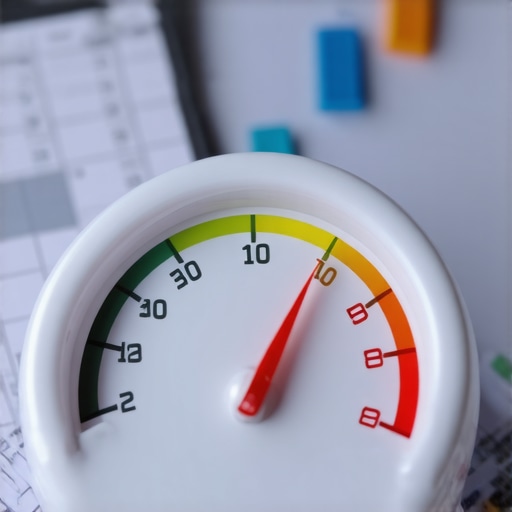
It turns out, the credit bureaus don’t actually care if you pay your balance off by the due date if the bank has already reported a massive balance to them before you hit that ‘pay’ button. I was treating my credit cards like debit cards—charging everything from groceries to gas and then clearing the deck once a month. My utilization was still high because of when that data hit my report. It felt like I was running a race with my shoes tied together. According to data from FICO, amounts owed account for a staggering 30% of your total score, making it the second most important factor after payment history. I had the history down, but I was failing the ‘amounts owed’ test miserably because I didn’t understand the rules of the game.
Does This Secret Hack Actually Work?
I get it. You’ve heard every “one weird trick” in the book and you are probably skeptical. But this isn’t about some shady loophole or a “pay for delete” scheme; it’s about timing the system that is already in place. When I stopped waiting for the official due date and started using the 15-15 rule for paying off balances, my score jumped 32 points in a single billing cycle. I didn’t spend less money that month. I didn’t get a raise. I didn’t even open a new account. I simply changed *when* the money moved from my checking account to the credit card company. Have you ever felt like your score was stuck in cement no matter how many bills you paid on time? It is a common frustration, and usually, it’s because your credit score flatlined despite monthly payments being made perfectly.
How Your Statement Date Is Secretly Sabotaging You
The real magic happens when you understand the massive difference between your due date and your statement closing date. Most people focus entirely on the due date to avoid interest, but the closing date is what determines the “snapshot” sent to the bureaus. If you have a $1,000 limit and spend $900, even if you pay it all back by the 15th, if the bank takes that snapshot on the 10th, you look like a high-risk borrower with 90% utilization. You need effective credit repair tips that focus on these technicalities rather than just the basics. I made the mistake of ignoring these dates for years, and it cost me thousands in higher interest rates on my car and mortgage. We are going to fix that today by shifting your payment schedule so the bureaus only see the “skinny” version of your debt, allowing your score to reflect your actual financial health instead of your monthly spending habits.
Find the One Date That Controls Your Entire Score
To make this work, you have to ignore your due date for a moment. Instead, hunt down your statement closing date on your last bill. Think of your credit report like a high school yearbook; it doesn’t matter how you looked every day of the semester, it only matters how you looked the second the photographer snapped the shutter. That closing date is the shutter. If you find the best time of month to pay your balance, you are essentially posing for the bureaus with your debt tucked out of sight. I recommend checking your online portal or calling the number on the back of your card to confirm this exact date, because it can shift by a day or two depending on the month.
The 15-15 Rule is Your New Best Friend
The 15-15 rule is a simple logistical framework designed to crush high utilization before the bureau even sees it. You make your first payment 15 days before your statement closing date, and your second payment 3 days before that same closing date. This double-tap approach ensures that even if you continue using the card for daily expenses, the average daily balance stays low. Understanding the logic behind the 15-15 rule for credit card payments is the difference between a stagnant score and one that climbs. By the time the bank sends their monthly report to FICO, your reported balance is just a tiny fraction of your actual spending. 
My First Messy Attempt at Timing the System
When I first tried this, I almost blew it. I had a $2,000 limit on an old travel card and I was determined to get my utilization down to 2%. I made my first payment 15 days out, but then I forgot that my gym membership and a grocery delivery were set to auto-pay right before the closing date. Because I hadn’t accounted for those pending transactions, my reported balance was $150 higher than I wanted. It wasn’t a disaster, but it taught me that you have to be aggressive. Now, I always add a $50 ‘buffer’ to my second payment to cover any surprise charges. This is why the 15-15 rule for paying off credit card balances effectively requires a bit of active monitoring in that final week.
Chase the 10% Threshold for Maximum Impact
While most experts say to keep utilization under 30%, that’s actually a ‘C’ grade in the eyes of the algorithm. If you want the ‘A+’, you need to stay under 10%. If you are wondering why your utilization is still high after paying down all your cards, it is usually because you are hitting the 30% mark but failing to cross into that single-digit territory. When I finally squeezed my reporting balance down to 7%, my score reacted like it had been shot out of a cannon. This isn’t about deprivation; it’s about shifting your cash flow to work for you rather than against you. Break out of the 3 habits that keep you trapped in the minimum payment cycle by automating these mid-month payments. When you begin mastering credit building proven strategies like this, you stop being a victim of the reporting cycle and start being the one who dictates the terms.
Once you realize that the system is built on snapshots, you start to see the cracks in the advice most ‘experts’ give away for free. I’ve spent years obsessing over these technicalities because I learned the hard way that a high score on a phone app doesn’t always translate to a ‘yes’ from a mortgage lender. Let’s dig deeper into the nuances that keep most people stuck in the 600s while the elite 1% of borrowers cruise into the 800s.
Why Your Free Credit App is Lying to You
I’ve seen it a thousand times: someone comes to me proud of the 720 score they saw on a popular free monitoring app, only to get rejected for a car loan. The cold truth is that why you should ignore the credit monitoring score you see online is often the first lesson in real credit maturity. Most free apps use VantageScore 3.0, but according to a study by the Consumer Financial Protection Bureau (CFPB), over 90% of top lenders still rely on FICO scores. These two models speak different languages. If you are basing your financial future on a score that lenders don’t even look at, you are building a house on sand. Have you ever fallen into this trap? Let me know in the comments.

Don’t Fall for the ‘Easy Dispute’ Trap
Most people think the ‘Easy Dispute’ button provided by credit monitoring apps is a godsend. In reality, it is a strategic maneuver by the bureaus to limit your rights. When you use that digital button, you often inadvertently waive your right to a full, manual investigation under the Fair Credit Reporting Act (FCRA). This is exactly why you should never use the easy dispute button on credit apps. Instead, you need to use a paper-trail strategy, specifically the method of verification letter every credit repair diyer needs. It takes more effort than a mouse click, but it forces the bureaus to provide actual evidence of the debt rather than just checking a digital box.
Is a Debt Management Plan Better Than Settlement?
There is a massive nuance here that online gurus often miss. Debt settlement usually requires you to stop making payments, which absolutely nukes your credit score for years. However, why debt management plans are different from risky settlement programs is that a DMP focuses on negotiating lower interest rates while keeping your accounts marked as ‘current’ or ‘paid as agreed.’ If you choose settlement, you are essentially setting your house on fire to collect the insurance money. A DMP is more like a controlled, professional renovation. If you are drowning in high-interest debt, understanding why the avalanche method wins for high rate balances is a strategy you should master immediately. It’s not about the small psychological wins; it’s about the cold, hard math of compound interest. When you stop being a victim of the reporting cycle and start using effective credit repair tips that focus on the technicalities of the law, your score becomes a tool you control, rather than a mystery that controls you.
To keep this machine running, I stopped relying on those flashy apps and built what I call my ‘Credit Delta’ spreadsheet. This is where I track the gap between what I actually owe and what the bureaus think I owe. I personally use this because generic trackers miss the nuance of ‘pending’ transactions that can ruin your 10% utilization goal overnight. If you are serious about this, you need a system that survives your busiest months. This is the core of smart debt management practices for maintaining financial health. I also perform a deep-dive 3-step review for your annual credit report every January to ensure no ‘zombie’ accounts have resurrected themselves. 
How can I keep my score high without checking it every day?
Maintenance isn’t about obsession; it’s about automation. I’ve set up alerts for any balance that crosses the 15% threshold on any single card. This allows me to focus on mastering credit building proven strategies without becoming a slave to my banking portal. You should also consider the specific way to get your utility history reported to add a layer of ‘buffer’ points that protect you from small fluctuations. Looking forward, the industry is shifting toward ‘Trended Data.’ According to FICO‘s technical documentation on the FICO Score 10 T model, lenders will soon look at your balance trends over 24 months rather than just a single snapshot. This means your habits today are actually building a defense for your score two years from now. If you want to take a truly advanced step, use the bureau tactic that forces a manual review without a lawyer if you find even a tiny discrepancy in your ‘date of first delinquency.’ This is the level of detail that separates the ‘good’ scores from the ‘elite’ ones. My challenge to you: find your statement closing date today and set a calendar alert for three days prior to it. That one move is the foundation of the ultimate credit repair blueprint for 2025.
Hard Truths I Learned While Fighting the Bureaus
After years of trial and error, I realized that autopay is often a trap if it is set for the due date. By the time that money leaves your account, the bank has already reported your high balance to the bureaus. This is where mastering debt management proven strategies for financial freedom starts—by beating the bank to the punch and making sure your statement reflects your discipline.
Another lightbulb moment was realizing the ‘30% utilization’ advice is actually a ceiling, not a goal. If you want the best rates, you have to aim for under 7%. Also, never forget that your credit score is just a snapshot of a mathematical algorithm; it does not define your worth as a person. It is a game with rules that you are finally learning to play on your own terms.
The Tools That Kept Me From Sinking
If you are serious about this, you need the right gear. I personally swear by MyFICO for real-time tracking of the scores that actually matter to lenders, as generic apps often use the wrong model. I also recommend keeping a physical copy of the method of verification letter every credit repair diyer needs in your digital files. It is your ‘break glass in case of emergency’ tool when the bureaus get stubborn about errors.
Lastly, do not overlook your own bank’s ‘Soft Pull’ limit increase feature. It is a powerful way to lower utilization without a hard inquiry, provided you use the extra room responsibly and do not increase your spending alongside it.
#IMAGE_PLACEHOLDER_E#
Build a Future Where ‘Denied’ Is Not in the Vocabulary
The road to financial freedom is not paved with big windfalls; it is built with small, intentional habits. By implementing the ultimate credit repair blueprint for 2025, you are ensuring that your hard work is finally reflected in those three digits. You have the knowledge now—all that is left is to execute. Your credit score is no longer a mystery; it is a tool that you know how to sharpen. Which credit card has the most stubborn balance on your report right now? Let me know in the comments!